Why Zinc Matters and Why People Supplement
Zinc is an essential trace mineral involved in hundreds of enzymatic reactions. It is necessary for immune cell development, wound healing, protein synthesis, testosterone production, and normal taste and smell function. Deficiency is associated with impaired immune response, poor growth, and hormonal dysregulation.
Many people supplement zinc because their diet may be low — vegetarians, athletes with high sweat losses, and older adults are among those with higher risk of suboptimal zinc status. The question that matters for regular supplementers is whether zinc long term use at typical supplementation doses is safe.
What Long-Term Studies Show
Research on zinc supplementation over extended periods is informative. Prasad et al. (2007) conducted a randomised controlled trial with zinc supplementation and found that appropriate dosing was associated with immune markers. Studies consistently show that moderate supplementation is well-tolerated in healthy adults over extended periods when doses remain within reasonable limits.
The primary safety concern with long-term zinc supplementation is not the zinc itself at moderate doses, but rather its interference with copper absorption. Zinc and copper compete for the same intestinal absorption pathway (metallothionein-mediated). Chronic intake of high zinc doses can deplete copper stores over time, potentially leading to copper-deficiency anaemia and neurological complications (Fosmire, 1990).
Upper Safe Limits Over Time
Regulatory bodies have established tolerable upper intake levels for zinc. These represent the highest level of daily intake unlikely to cause adverse effects in the general population. These limits apply to total intake from all sources — food plus supplements.
For regular supplementation at doses commonly found in standalone zinc products, most healthy adults remain well within established safety thresholds provided they are not also consuming large amounts of zinc from fortified foods or multiple overlapping supplement sources. ICONFIT Capsules Zinc N90, SELF Zinc 100tabs, and 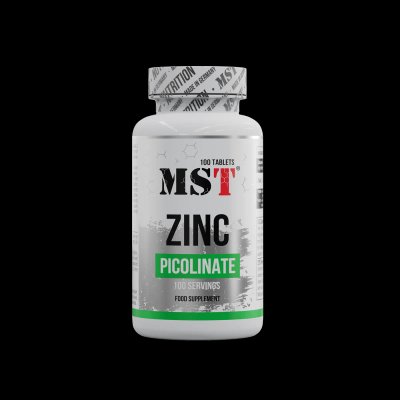 MST Zinc Picolinate€13.90 In stock 100tabs are products with transparent declared amounts per capsule, which allows easy calculation of daily intake.
Does the Form of Zinc Matter?
Yes. Different zinc forms have meaningfully different bioavailability:
| Form | Notes |
|---|---|
| Zinc picolinate | Generally well-absorbed; commonly studied |
| Zinc bisglycinate | Amino acid chelate; good bioavailability |
| Zinc gluconate | Well-tolerated; used in many studies |
| Zinc oxide | Lower bioavailability than chelated forms |
| Zinc citrate | Moderate bioavailability; less GI irritation |
Products like 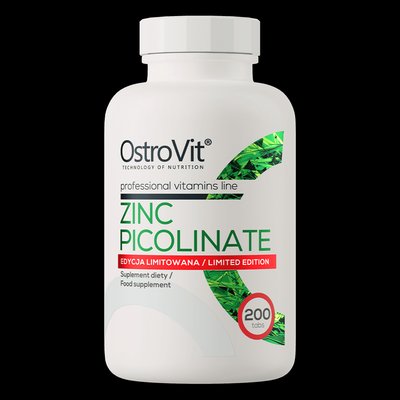 OstroVit Zinc Picolinate€7.90 In stock 200tabs, MST Zinc Chelate Bisglycinate 90tabs, and NOW Zinc Picolinate€16.90 In stock 50mg 120 veg. caps. use bioavailable chelated forms. NOW Zinc Gluconate 50mg 250tabs uses a well-studied form at a relatively high per-tablet dose, which is worth noting when calculating daily totals.
Do You Need to Cycle Zinc?
For most adults supplementing at or below recommended dietary allowance levels (to correct a dietary shortfall), continuous daily use without a formal cycle break is generally considered safe, provided doses stay well below the tolerable upper intake level.
If you are supplementing at doses significantly above the dietary allowance on a chronic basis, periodic reassessment of your status and a consideration of whether that dose is still warranted is sensible practice. The main reason to consider cycling at higher doses is the copper depletion risk — not toxicity from zinc itself.
Some practitioners recommend including a copper supplement alongside long-term zinc use to offset the competitive absorption issue. BIOTECHUSA Zinc + Chelate 60tab and BIOTECHUSA Zinc Duo 60tbl include additional co-factors that are designed with this concern in mind.
Monitoring
If you supplement zinc regularly for more than a few months, a simple blood test that includes serum zinc and serum copper (or caeruloplasmin) is useful to confirm you are in a normal range. Symptoms of zinc excess include nausea, reduced immune function (paradoxically), and — with chronic overuse — symptoms of copper deficiency such as anaemia and balance problems. Symptoms of zinc deficiency include frequent infections, poor wound healing, and reduced appetite.
Your GP or a registered dietitian can advise on whether testing is warranted based on your supplement dose and diet.
Honest Verdict
Long-term zinc use at sensible doses is safe for most healthy adults. The key constraints are: (1) stay within established tolerable upper limits accounting for dietary zinc; (2) watch for copper depletion if supplementing at higher doses chronically; (3) choose a bioavailable form such as picolinate or bisglycinate rather than oxide. Periodic monitoring is good practice if you supplement long term.
Maxfit.ee carries a range of zinc products across multiple forms and doses, making it straightforward to find a product that matches your needs and allows accurate daily intake calculation.
FAQ
Can I take zinc every day indefinitely?
For most adults, yes — at doses that align with dietary reference values. The risk of problems arises mainly at doses substantially above typical needs over a prolonged period, primarily due to copper competition. If your dose is modest and your diet is not otherwise zinc-rich, daily use is generally appropriate.
Is zinc safe to take with other supplements?
Zinc can interfere with the absorption of iron and copper when all three are taken together. Taking zinc separately from iron supplements (by at least one to two hours) is advisable. If you take zinc long term at higher doses, consider including a small amount of copper to compensate for the absorption competition.
What time of day is best to take zinc?
Zinc is best taken with food to reduce the risk of nausea, which can occur when taken on an empty stomach — particularly at higher doses. Avoid taking it at the same time as high-fibre foods (phytate-rich) or iron supplements, which can reduce absorption.
References
Prasad, A. S., Beck, F. W., Bao, B., Fitzgerald, J. T., Snell, D. C., Steinberg, J. D., & Cardozo, L. J. (2007). Zinc supplementation decreases incidence of infections in the elderly: effect of zinc on generation of cytokines and oxidative stress. American Journal of Clinical Nutrition, 85(3), 837-844. https://pubmed.ncbi.nlm.nih.gov/17344507/
Fosmire, G. J. (1990). Zinc toxicity. American Journal of Clinical Nutrition, 51(2), 225-227. https://pubmed.ncbi.nlm.nih.gov/2407097/
Maret, W., & Sandstead, H. H. (2006). Zinc requirements and the risks and benefits of zinc supplementation. Journal of Trace Elements in Medicine and Biology, 20(1), 3-18. https://pubmed.ncbi.nlm.nih.gov/16632171/



