
Zinc for Athletes: Performance Evidence
Zinc is an essential trace mineral involved in more than 300 enzymatic reactions, including protein synthesis, DNA repair, immune function, and testosterone production. Despite its fundamental role, athletes are disproportionately at risk of zinc insufficiency due to sweat losses, restricted diets, and high metabolic turnover during heavy training.
Mechanism in Sport
Zinc contributes to athletic performance through several overlapping pathways:
Testosterone synthesis: Zinc is a cofactor for the enzyme 5-alpha reductase and supports the hypothalamic-pituitary-gonadal axis. Studies in zinc-deficient men show that depletion suppresses testosterone and luteinising hormone, while correction restores them.
Immune function: High-volume training temporarily suppresses the immune system. Zinc is critical for the development and function of T-cells, natural killer cells, and neutrophils. Deficiency increases susceptibility to upper respiratory infections, which derail training blocks.
Antioxidant defence: Zinc is a structural component of superoxide dismutase (Cu/Zn-SOD), a key antioxidant enzyme. Exercise-induced oxidative stress is partly buffered by adequate zinc status.
Wound and tissue repair: Zinc plays a direct role in collagen synthesis and wound healing, relevant for connective tissue maintenance under training load.
Strength and Endurance Evidence
A controlled study found that zinc supplementation in zinc-deficient wrestlers preserved testosterone levels compared to a depleted control group during a training period. In the deficient wrestlers who did not supplement, both testosterone and thyroid hormone levels declined over the course of training.
For non-deficient athletes, the evidence for performance benefits from zinc supplementation is weaker. Supplementing zinc in already-sufficient individuals does not consistently improve strength or aerobic capacity in controlled trials. The intervention is most justified where deficiency is present or suspected.
Endurance athletes who sweat heavily and eat limited animal protein are at particular risk. Zinc is most bioavailable from animal sources; phytate in wholegrains and legumes reduces absorption from plant foods.
Effective Protocol
A common supplemental range is 15–30 mg elemental zinc per day, typically taken in the evening, as zinc may support testosterone during the nocturnal sleep-associated hormone surge. This is the basis of the ZMA (zinc, magnesium, B6) stack studied in some athlete populations.
Zinc picolinate and zinc bisglycinate are forms with generally better bioavailability than zinc oxide or zinc sulfate. Zinc gluconate is another well-absorbed option.
Do not take zinc with high-calcium supplements or calcium-rich meals at the same time — calcium competes for the same intestinal transporter and significantly reduces zinc absorption.
Who Benefits
Zinc supplementation provides the clearest benefit to:
- Athletes with confirmed low zinc status
- Endurance athletes with high sweat rates and limited meat intake
- Vegetarian and vegan athletes who eat high amounts of phytate-rich foods
- Anyone who has recently had a respiratory illness or is in a heavy training block
Honest Verdict
Zinc is not a performance-enhancer in well-nourished athletes. It is a micronutrient whose deficiency creates measurable harm to testosterone, immunity, and recovery. If you are at risk — through sweat losses, restricted diet, or high training load — supplementation is rational and supported by evidence. If you are already sufficient, the case for supplementation is weaker.
ICONFIT Capsules Zinc N90 and SELF Zinc 100tabs are practical everyday zinc supplements available at maxfit.ee. For higher bioavailability forms, 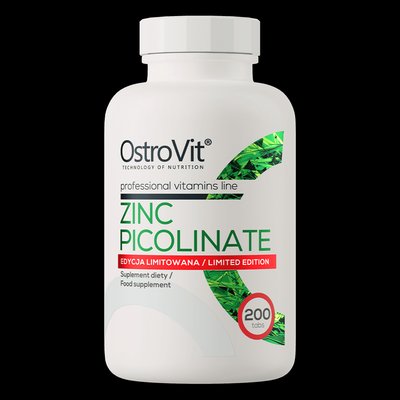 OstroVit Zinc Picolinate€7.90 In stock 200tabs and
 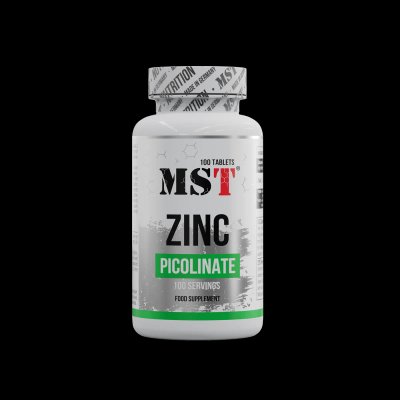 MST Zinc Picolinate€13.90 In stock 100tabs deliver the picolinate chelate. OstroVit Triple Zinc 90caps provides three zinc forms in one capsule for broad-spectrum absorption coverage.
FAQ
Does zinc boost testosterone in athletes?
In athletes with zinc deficiency, supplementation can restore suppressed testosterone levels. A controlled study showed that zinc-deficient wrestlers who supplemented maintained testosterone levels through training, while the unsupplemented group experienced a decline. The effect is correction of deficiency, not pharmacological boosting in already-sufficient individuals.
When is the best time to take zinc?
Evening is commonly recommended, often combined with magnesium in ZMA products, to align with the sleep-associated testosterone surge. Avoid taking zinc at the same time as high-calcium foods or supplements.
Can you take too much zinc?
Yes. Chronic intake above the tolerable upper level can cause copper depletion (zinc competes with copper absorption), impair immune function, and lower HDL cholesterol. Staying within the 15–30 mg range for supplemental zinc avoids most risks.
References
Prasad, A. S., Mantzoros, C. S., Beck, F. W., Hess, J. W., & Brewer, G. J. (1996). Zinc status and serum testosterone levels of healthy adults. Nutrition, 12(5), 344-348. https://pubmed.ncbi.nlm.nih.gov/8875519/
Hemila, H. (2017). Zinc lozenges and the common cold: a meta-analysis comparing zinc acetate and zinc gluconate, and the role of zinc dosage. JRSM Open, 8(5), 2054270417694291.



