
How to Maximize Zinc Absorption
Zinc is an essential trace mineral involved in over 300 enzymatic reactions — from immune cell activation to testosterone synthesis and wound healing. Yet zinc absorption from food and supplements varies enormously depending on what you eat with it, which form of zinc you take, and when. Understanding these variables is the difference between an effective supplement and an expensive placebo.
What Limits Zinc Absorption
The central challenge is phytate, a storage compound in grains, legumes, and seeds. Phytate binds zinc in the gut and forms insoluble complexes that pass through unabsorbed. Populations relying heavily on whole grains and legumes as staples show chronically lower zinc status despite adequate dietary intake, because the phytate load consistently blocks absorption.
Other absorption inhibitors:
- High-dose iron supplementation: iron and zinc compete for the same intestinal transporter (DMT1). Taking 25 mg or more of supplemental iron simultaneously can meaningfully reduce zinc absorption.
- High calcium intake: large calcium doses taken at the same time may also reduce zinc uptake, though the effect is less pronounced than phytate.
- Polyphenol-rich beverages: tannins in coffee and black tea can bind zinc; drinking these close to a zinc supplement or zinc-rich meal is worth avoiding.
Cofactors That Help
Some nutrients and food components actively enhance zinc absorption:
- Animal protein: cysteine-rich proteins from meat, fish, and eggs form complexes with zinc that remain soluble in the gut, enhancing uptake. This is a key reason animal-source zinc is substantially better absorbed than plant-source zinc.
- Citric and picolinic acids: these organic acids can form zinc chelates that resist phytate binding. Zinc picolinate and zinc citrate exploits this principle.
- Probiotics and fermented foods: fermentation reduces phytate content in grains and legumes through phytase activity, improving the zinc released per gram.
Form and Timing Effects
Not all zinc supplements are created equal. A 2001 comparative study found that zinc picolinate produced higher increases in hair, urine, and erythrocyte zinc levels than zinc citrate or zinc gluconate at equivalent doses (Barrie et al., 2001). Zinc bisglycinate (a chelated form) has shown equivalent or superior absorption to sulphate forms in head-to-head comparisons.
Timing matters: zinc is best absorbed on an empty stomach or with a small amount of low-phytate food. Taking zinc with a high-phytate meal (porridge, bread, lentils) can reduce absorption substantially. If stomach upset occurs on an empty stomach, a small protein snack — like a handful of nuts or a few bites of meat — is preferable to taking zinc with a full grain-based meal.
Products available at maxfit.ee that use well-absorbed forms include MST Zinc Chelate Bisglycinate 90tabs (chelated form, gentle on stomach), NOW Zinc Picolinate 50mg 120 veg. caps. and 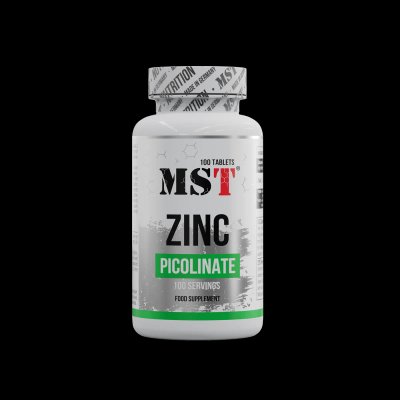 MST Zinc Picolinate€13.90 In stock 100tabs (picolinate form, one of the best-studied for uptake), and OstroVit Triple Zinc 90caps (combination of zinc forms).
 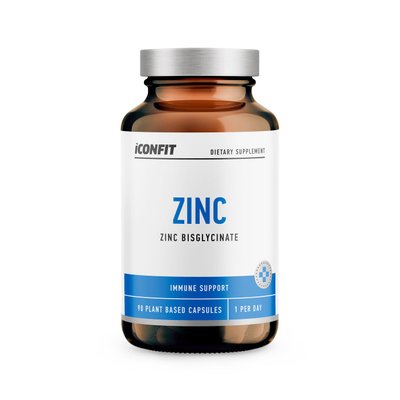 ICONFIT Capsules Zinc N90€9.90 In stock and SELF Zinc 100tabs are reliable everyday options.
Food Pairings
| Zinc source | Best paired with | Avoid pairing with |
|---|---|---|
| Supplement | Animal protein or citrus | Coffee, tea, high-bran cereals |
| Red meat | Nothing — already high absorption | N/A |
| Pumpkin seeds | Fermented grain base | Raw whole grains alone |
| Oysters | Light protein meal | Dairy-heavy meal |
| Legumes | Sourdough bread (fermented) | Unsoaked raw beans |
Practical Tips
- If you take a supplement, do so on an empty stomach or with a small animal-protein snack — not with breakfast porridge or a bean dish.
- Choose picolinate, bisglycinate, or citrate forms over cheap zinc oxide (the least bioavailable form, yet common in low-cost multivitamins).
- Soak and sprout legumes before cooking — this reduces phytate by up to 50% and meaningfully raises bioavailable zinc from plant sources.
- Separate iron and zinc supplements by at least two hours if you are taking therapeutic doses of both.
- Do not mega-dose: zinc at chronic intakes above the tolerable upper level can impair copper absorption, leading to secondary copper deficiency. Stick to doses in the 15–40 mg/day range unless directed by a clinician.
FAQ
Is zinc picolinate really better absorbed?
The evidence suggests yes, relative to gluconate and oxide. Picolinate forms a stable chelate with zinc that resists phytate and survives the gut environment better. The 2001 Barrie et al. trial is the most-cited direct comparison, though sample sizes in absorption studies are typically small. In practical terms, any chelated form (picolinate, bisglycinate, citrate) will outperform zinc oxide.
Can I get enough zinc from a plant-based diet?
Yes, but it requires attention. Vegans typically need a higher total zinc intake to compensate for lower bioavailability from plant sources. Fermented grain products, soaked legumes, and pumpkin seeds all have lower effective phytate loads. A modest supplement is a reasonable safety net for vegans who are not tracking intake carefully.
How do I know if I am zinc-deficient?
Mild deficiency is under-diagnosed because standard serum zinc tests are not sensitive to marginal status. Common signs include slow wound healing, frequent minor infections, altered taste or smell, and hair thinning. Blood testing in the morning after an overnight fast is the most reliable available marker, though still imperfect.
References
Barrie, S. A., Wright, J. V., Pizzorno, J. E., Kutter, E., & Barron, P. C. (2001). Comparative absorption of zinc picolinate, zinc citrate and zinc gluconate in humans. Agents and Actions, 21(1-2), 223-228.
Sian, L., Mingyan, X., Miller, L. V., Tong, L., Krebs, N. F., & Hambidge, K. M. (2001). Zinc absorption and intestinal losses of endogenous zinc in young Chinese women with marginal zinc intakes. American Journal of Clinical Nutrition, 74(4), 450-455.
Pawlak, R., Berger, J., & Hines, I. (2016). Iron status of vegetarian adults: A review of literature. American Journal of Lifestyle Medicine, 12(6), 486-498. https://pubmed.ncbi.nlm.nih.gov/30783404/



