Yohimbine for Vegans & Vegetarians: A Plant-Based Perspective
Yohimbine is an alkaloid derived from the bark of the West African tree Pausinystalia yohimbe. Because it originates entirely from plant material, yohimbine is inherently vegan and vegetarian-friendly -- there are no animal-derived ingredients in the active compound itself. For plant-based athletes and those following vegan diets, this is good news, but choosing the right product still requires attention.
Why Plant-Based Diets May Find Yohimbine Relevant
Vegan and vegetarian diets are generally associated with lower caloric density and higher fibre intake, which can support healthy body composition. However, some plant-based athletes look for additional tools to support fat metabolism during periods of caloric restriction or when breaking through weight-loss plateaus.
Yohimbine works primarily as an alpha-2 adrenergic receptor antagonist -- blocking receptors that normally slow fat release from cells (Galitzky et al., 1993). This mechanism is most relevant in a fasted state, which is a context many athletes use regardless of dietary philosophy.
The plant-based diet itself does not create any specific nutritional deficit that yohimbine addresses. Rather, it is a tool that may be relevant across dietary patterns when the conditions for its use are met.
Vegan-Friendly Sources and Product Considerations
Most commercial yohimbine supplements are produced by extracting the alkaloid from Pausinystalia yohimbe bark and encapsulating it in vegetable cellulose capsules. The key check for vegans is the capsule shell: gelatin capsules contain animal collagen, while HPMC (hydroxypropyl methylcellulose) or pullulan capsules are fully plant-derived.
Additionally, check for excipients such as magnesium stearate -- while most magnesium stearate used in capsule manufacturing is plant-derived (usually from palm), some brands use animal-derived sources. Certified vegan products remove this ambiguity.
Yohimbine HCl (yohimbine hydrochloride) is the standardised salt form most commonly studied in clinical research. Products stating "yohimbine HCl" at a specific mg per capsule are more predictable than those labelling only "yohimbe bark extract" without specifying alkaloid content.
Dose Targets
Most clinical research on yohimbine has used daily doses ranging roughly between 5 mg and 20 mg, typically split across the day. A frequently cited study by Ostojic (2006) used a dose of 20 mg per day in male soccer players and found modest reductions in body fat after three weeks, though the study was small.
It is important to start at the lower end and assess individual tolerance, as yohimbine can elevate heart rate and blood pressure and may cause anxiety in sensitive individuals. Taking it on an empty stomach appears to increase both efficacy and the likelihood of side effects.
What to Combine With Yohimbine
Yohimbine is often combined with caffeine in commercial pre-workout and fat-burner formulations. The combination appears synergistic at the receptor level because caffeine increases catecholamine release while yohimbine reduces the negative feedback on fat cells. However, this also increases the stimulant burden.
For plant-based athletes, a practical stack might be yohimbine with a green tea extract (providing EGCG and mild caffeine) taken in a fasted state before aerobic exercise. At maxfit.ee you will find products in the rasvapoletajate kategooria, including OstroVit Fat Burner eXtreme 90caps and 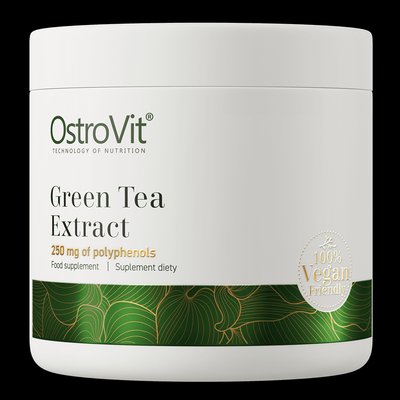 OstroVit Green Tea Extract€10.90 In stock 100g, which may complement a yohimbine supplement.
Avoid combining yohimbine with other stimulants, MAO inhibitors, or certain antidepressants due to potential interactions.
Choosing a Vegan Yohimbine Product
| Criteria | What to look for |
|---|---|
| Active ingredient | Yohimbine HCl (specify mg per serving) |
| Capsule type | HPMC or pullulan (plant-based) |
| Certification | Vegan-certified label where available |
| Excipients | Check for plant-derived magnesium stearate |
| Dose clarity | Clearly stated mg, not just "yohimbe extract" |
Many sports nutrition brands now offer vegan-certified capsules; confirming this on the product page or by contacting the manufacturer takes the guesswork out of selection.
References
Galitzky, J., Taouis, M., Berlan, M., Riviere, D., Garrigues, M., & Lafontan, M. (1993). Alpha 2-antagonist compounds and lipid mobilization: evidence for a lipid mobilizing effect of oral yohimbine in healthy male volunteers. European Journal of Clinical Investigation, 23(6), 360-366.
Ostojic, S. M. (2006). Yohimbine: the effects on body composition and exercise performance in soccer players. Research in Sports Medicine, 14(4), 289-299. https://pubmed.ncbi.nlm.nih.gov/17214405/
FAQ
Is yohimbine suitable for vegans?
Yes -- the active compound yohimbine is extracted from plant bark and is vegan by nature. However, always verify that the capsule shell is plant-based (HPMC or pullulan) and that no animal-derived excipients are used.
When should I take yohimbine for best results?
Most research protocols use yohimbine in a fasted state, often before aerobic exercise. This timing appears to enhance the alpha-2 receptor antagonism relevant to fat mobilisation.
Can yohimbine cause side effects?
Yes. Elevated heart rate, increased blood pressure, anxiety, and insomnia are reported, particularly at higher doses or in sensitive individuals. Starting at a low dose and building tolerance gradually is advisable.



