
Women's Vitamins for Sleep & Stress: Reading the Evidence
Women's vitamins for sleep and stress is one of the most searched supplement topics in Estonia and across Europe. The interest is legitimate — women report higher rates of poor sleep and stress-related complaints than men across most age groups. But the supplement shelves can be overwhelming. This article distils what RCT evidence actually supports.
Mechanism: How Micronutrients Connect to Sleep and Stress
Several micronutrients play documented roles in the neuroendocrine pathways that regulate stress response and sleep architecture:
- Magnesium is a cofactor for over 300 enzymatic reactions and is required for GABA receptor function. GABA is the brain's primary inhibitory neurotransmitter — the one that quiets neural activity at night. Low magnesium status is associated with heightened excitability of the nervous system.
- Vitamin B6 (pyridoxine) is required for the synthesis of serotonin from tryptophan and for the conversion of serotonin to melatonin. Deficiency can therefore affect both mood regulation and sleep onset.
- Ashwagandha (Withania somnifera) contains withanolides that modulate cortisol via the HPA axis. Elevated cortisol at night is a common contributor to poor sleep onset.
- Magnesium and B6 together appear to act synergistically on stress perception. Some trials have used this combination specifically for stress reduction.
RCT Evidence
For magnesium, an RCT in older adults with insomnia found that magnesium supplementation improved subjective sleep quality, sleep efficiency, and sleep onset time compared with placebo (Abbasi et al., 2012). While this trial involved an older population, it provides the best controlled data currently available for magnesium and sleep.
Ashwagandha has been tested specifically in women experiencing stress and sleep issues. A double-blind RCT found that ashwagandha root extract significantly improved sleep quality and reduced stress and anxiety scores compared with placebo over eight weeks (Langade et al., 2019). Participants reported better morning alertness and quality of life. This is one of the most directly applicable trials for this topic.
For vitamin B6 and magnesium combined, a crossover RCT tested the combination against magnesium alone in adults with stress. The combination group reported meaningfully lower perceived stress compared with magnesium alone, though both groups improved (Pouteau et al., 2018).
BIOTECHUSA Active Women 60tab and Optimum Nutrition Opti-Women 120tabs available at maxfit.ee include B6 and magnesium in their formulas. For more targeted sleep support, 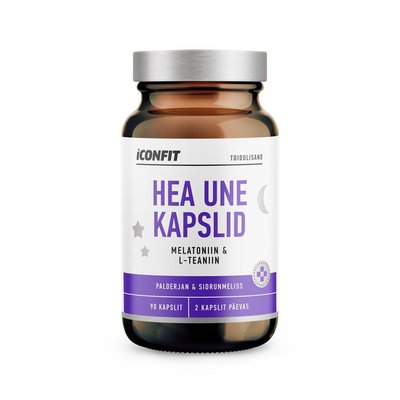 ICONFIT Capsules Good Sleep N90€12.90 In stock (which contains melatonin, L-theanine, and B6) is a dedicated sleep-support option.
Effective Dose and Timing
- Magnesium: Most sleep-relevant trials used 300–500 mg elemental magnesium daily, taken in the evening. Glycinate and malate forms are better tolerated and absorbed than oxide.
- Ashwagandha: Trials supporting sleep and stress reduction typically used 300–600 mg of a standardised root extract (KSM-66 or Sensoril) daily. Evening administration is practical and aligns with the cortisol-modulating mechanism.
- Vitamin B6: Sleep- and mood-relevant effects have been studied at 50–100 mg; however, long-term use of very high doses carries a neuropathy risk. Physiological doses (1.5–2 mg from a multivitamin) support normal serotonin synthesis for most women.
- Melatonin: Effective for circadian rhythm adjustment (shift work, jet lag) at low doses. For chronic sleep maintenance difficulties, evidence is more limited.
Who Benefits Most
- Women with dietary magnesium insufficiency (common with low vegetable and legume intake)
- Women in perimenopause, where sleep disruption and stress sensitivity are elevated
- Those with high training loads, which deplete magnesium through sweat
- Women with irregular schedules affecting circadian rhythms
Those already eating a magnesium-rich diet (leafy greens, seeds, legumes), getting adequate sunlight, and managing stress through behavioural strategies tend to see smaller effects from supplementation.
Honest Verdict
The evidence for women's vitamins sleep stress is stronger for magnesium and ashwagandha than for most other marketed supplements in this space. B6 plays a supporting role, particularly when dietary intake is marginal. Melatonin is best used situationally rather than as a chronic supplement. High-dose proprietary blends with many ingredients complicate attribution of any benefit — simpler, evidence-guided formulas are preferable.
References
Abbasi, B., Kimiagar, M., Sadeghniiat, K., Shirazi, M. M., Hedayati, M., & Rashidkhani, B. (2012). The effect of magnesium supplementation on primary insomnia in elderly: A double-blind placebo-controlled clinical trial. Journal of Research in Medical Sciences, 17(12), 1161–1169. https://pubmed.ncbi.nlm.nih.gov/23853635/
Langade, D., Kanchi, S., Salve, J., Debnath, K., & Ambegaokar, D. (2019). Efficacy and safety of ashwagandha (Withania somnifera) root extract in insomnia and anxiety: A double-blind, randomized, placebo-controlled study. Cureus, 11(9), e5797. https://pubmed.ncbi.nlm.nih.gov/31728244/
Pouteau, E., Kabir-Ahmadi, M., Noah, L., Mazur, A., Dye, L., Hellhammer, J., Pickering, G., & Dubray, C. (2018). Superiority of magnesium and vitamin B6 over magnesium alone on severe stress in healthy adults with low magnesemia: A randomized, single-blind clinical trial. PLOS ONE, 13(12), e0208454. https://pubmed.ncbi.nlm.nih.gov/30562392/
FAQ
Can women's vitamins improve sleep the same night?
Not typically. Magnesium and ashwagandha work by gradually restoring or supporting normal neurotransmitter and hormone pathways — effects are usually felt after two to four weeks of consistent use. Melatonin acts more acutely and can help with sleep onset on the same night, making it the better situational option.
Is ashwagandha safe for women?
Standardised ashwagandha root extracts have a good safety profile in healthy adults in trials up to 12 weeks. Pregnant women should avoid it. Women with autoimmune conditions or those taking thyroid medication should consult a doctor, as ashwagandha may influence thyroid hormone levels.
Should I take magnesium separate from my multivitamin?
Multivitamins typically contain low doses of magnesium (often below 100 mg) due to tablet size constraints. If you are targeting sleep or stress support specifically, a dedicated magnesium supplement taken in the evening is likely more effective than relying on multivitamin magnesium alone.



