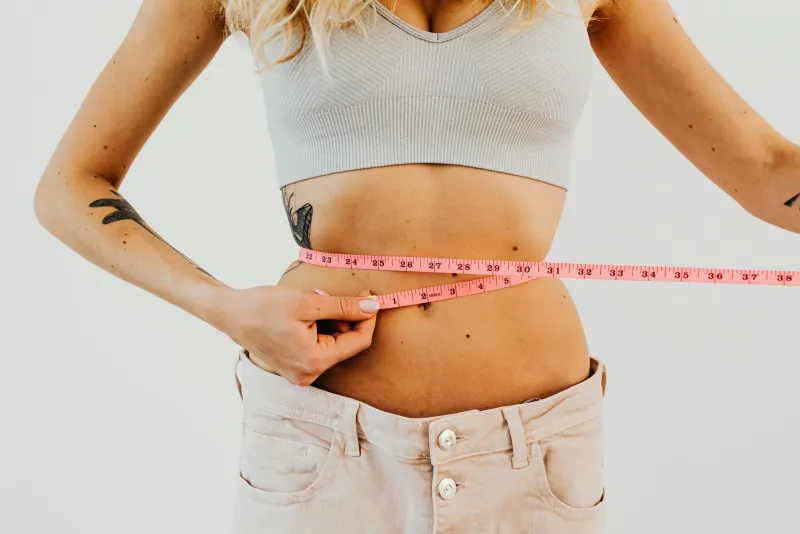
What Is a Weight Loss Kit?
A weight loss kit bundles multiple supplements that are individually associated with fat metabolism or body composition support into one purchase. Typical components include thermogenic compounds (caffeine, green tea extract), appetite or satiety agents (protein, fibre), fat mobilisation support (L-carnitine, CLA), and sometimes hormone or metabolic modulators. The rationale is that these ingredients address different mechanisms simultaneously, making the combination more practical than buying each product separately.
It is important to set realistic expectations upfront: no supplement kit overrides the fundamental energy balance equation. Weight loss requires a sustained caloric deficit. The best evidence for any individual ingredient in these kits is as a modest adjunct to diet and exercise, not a replacement for them.
Primary Evidenced Benefits
Caffeine as a thermogenic. Caffeine increases resting metabolic rate and fat oxidation in the short term. A meta-analysis of randomised trials found that caffeine supplementation was associated with modest reductions in body weight, body mass index, and body fat (Tabrizi et al., 2019). The effect size is real but modest — caffeine is not a standalone solution, but as a component of a caloric-deficit programme it provides measurable support.
Green tea extract (EGCG + caffeine). Green tea catechins, particularly EGCG, combined with caffeine have been shown in randomised controlled trials to produce a small additional reduction in body weight and waist circumference compared to caffeine alone (Hursel et al., 2009). The practical magnitude of effect is modest — the evidence is strongest when combined with caloric restriction and regular exercise.
Protein supplementation for body composition. A high protein intake during weight loss helps preserve lean muscle mass and increases satiety. Protein supplements in a weight loss kit support hitting a high protein target even in a caloric deficit — this is well-established in the research literature.
Secondary and Emerging Effects
L-carnitine is often included in weight loss kits based on its role in transporting long-chain fatty acids into mitochondria for oxidation. Meta-analyses of L-carnitine supplementation in overweight individuals show a small but statistically meaningful reduction in body weight compared to placebo (Pooyandjoo et al., 2016). The effect is modest and most pronounced in individuals who may be relatively carnitine-deficient (e.g., those following plant-based diets).
CLA (conjugated linoleic acid) has a research record showing it may modestly reduce body fat mass while slightly increasing lean mass in some populations. However, the effect size in humans is small and not consistent across all studies.
Where Evidence Is Weak
- Claims that any single ingredient or kit causes substantial fat loss without dietary changes
- Claims that raspberry ketones, garcinia cambogia, or many herbal additives have meaningful human evidence
- Long-term maintenance of weight loss attributable to supplements alone
- The idea that a higher-dose or more expensive kit produces proportionally greater results
Who Gains Most
- People already following a caloric deficit and exercise programme — supplementation adds a measurable but modest layer of support when lifestyle changes are already in place.
- Active individuals who need protein but struggle to hit targets from food alone — the protein component of a weight loss kit has the strongest, clearest evidence.
- Caffeine-naive individuals — those who are not habitual caffeine consumers see a larger metabolic response to caffeine-containing thermogenic components.
- People with confirmed carnitine insufficiency (vegetarians, vegans, or those with genetic variants) — L-carnitine supplementation is more impactful for this group.
Realistic Expectations
Kaalulangetamise komplekt #1, Kaalulangetamise komplekt #2, Kaalulangetamise komplekt #3, and Kaalulangetamise komplekt #4 available at maxfit.ee in the kaalulangetamise-komplekt category offer bundled approaches at different price points. When choosing a kit, check the ingredient amounts on each component against the studied doses — a kit is most valuable when it meaningfully doses each ingredient rather than including token amounts.
Expect: a modest additional contribution to a well-designed diet and exercise programme. Do not expect: rapid transformation, effortless fat loss, or a substitute for caloric awareness.
References
Tabrizi, R., Saneei, P., Lankarani, K. B., et al. (2019). The effects of caffeine intake on weight loss: A systematic review and meta-analysis of randomized controlled trials. Critical Reviews in Food Science and Nutrition, 59(16), 2688–2696. https://pubmed.ncbi.nlm.nih.gov/30335479/
Hursel, R., Viechtbauer, W., & Westerterp-Plantenga, M. S. (2009). The effects of green tea on weight loss and weight maintenance: A meta-analysis. International Journal of Obesity, 33(9), 956–961. https://pubmed.ncbi.nlm.nih.gov/19597519/
Pooyandjoo, M., Nouhi, M., Shab-Bidar, S., Djafarian, K., & Olyaeemanesh, A. (2016). The effect of (L-)carnitine on weight loss in adults: A systematic review and meta-analysis of randomized controlled trials. Obesity Reviews, 17(10), 970–976. https://pubmed.ncbi.nlm.nih.gov/27335245/
FAQ
Do weight loss kits actually work?
The individual components in quality weight loss kits — particularly caffeine, green tea extract, protein, and L-carnitine — have modest but real supporting evidence from randomised trials. The kits work as an adjunct to a caloric deficit and exercise, not as a replacement. Results without lifestyle changes are minimal.
How long should I use a weight loss kit?
Most ingredient research is conducted over 8–12 weeks. Cycling caffeine-containing products after extended periods of consistent use is sensible to avoid tolerance. Protein components can be used indefinitely as part of healthy eating. Re-assess progress at 8–12 weeks.
What should I look for in a weight loss kit?
Check that each component is dosed close to the studied amounts (caffeine usually 100–200 mg per serving; green tea extract standardised to EGCG; protein providing at least 20–25 g per serving). Avoid kits with very long proprietary blend lists that obscure individual ingredient amounts.



