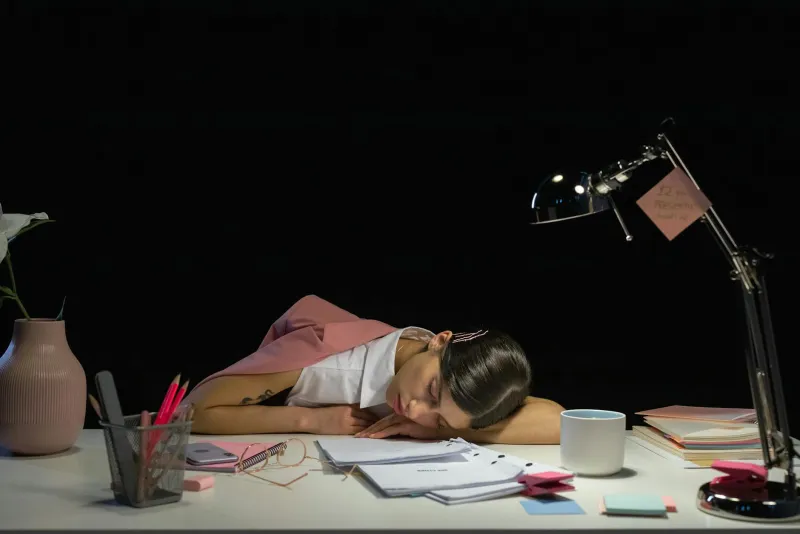
Vitamin E for Sleep & Stress: What the Evidence Shows
Vitamin E is best known as a fat-soluble antioxidant that protects cell membranes from oxidative damage. Its connection to vitamin E sleep and stress is less obvious but has drawn growing scientific attention, particularly in populations where oxidative stress and sleep disruption overlap — including older adults, menopausal women, and people under chronic psychological stress.
Mechanism: How Vitamin E Might Affect Sleep and Stress
The rationale starts with oxidative stress. Sleep deprivation and chronic psychological stress both raise systemic oxidative load. When reactive oxygen species accumulate, they can disrupt neurological signalling pathways involved in sleep regulation, including those governing melatonin synthesis and GABAergic activity.
Vitamin E, specifically the tocopherol family, quenches lipid peroxidation in neuronal membranes. By reducing oxidative burden in brain tissue, it may help maintain the cellular environment needed for normal sleep architecture. Additionally, alpha-tocopherol has been shown to modulate inflammatory cytokines, several of which — including IL-6 and TNF-alpha — are elevated in chronic stress states and are associated with poor sleep quality.
RCT Evidence
The most direct evidence comes from a randomised controlled trial in menopausal women experiencing hot flushes and disrupted sleep. Supplementation with vitamin E was associated with a statistically significant reduction in hot flush frequency compared with placebo (Ziaei et al., 2007). Since hot flushes are a primary driver of nocturnal awakenings in this population, the downstream effect on sleep quality is clinically relevant.
A second relevant line of research examined the relationship between antioxidant nutrient status and sleep quality. Studies have found associations between low serum tocopherol levels and poorer subjective sleep quality (Guo et al., 2022). This is an observational finding and cannot confirm causality, but it is biologically consistent with the oxidative stress mechanism.
In the context of stress, vitamin E's anti-inflammatory action is the primary proposed pathway. However, RCT evidence specifically testing vitamin E as a stress-reduction tool in otherwise healthy adults is limited. Claims of direct cortisol-lowering effects are not yet supported by well-powered human trials.
Effective Dose and Timing
Most clinical trials studying vitamin E in the context described above have used alpha-tocopherol in a range that reflects typical supplement doses. As a fat-soluble vitamin, vitamin E is best absorbed when taken with a fat-containing meal. There is no specific evidence for evening administration improving sleep outcomes beyond what would be expected from consistent daily use.
BIOTECHUSA Vitamin E 100softgels is the vitamin E product available at maxfit.ee. It uses softgel form, which tends to offer good fat-soluble vitamin bioavailability. Taking it with dinner is a practical timing choice.
For populations with established deficiency or specific clinical contexts such as menopause-related sleep disruption, the evidence is stronger. For healthy adults with adequate dietary vitamin E intake from nuts, seeds, and vegetable oils, the incremental benefit of supplementation may be smaller.
Who Benefits Most
Vitamin E supplementation for sleep and stress is most likely to offer meaningful benefit for:
- Menopausal women experiencing hot-flush-related sleep disruption
- Individuals with objectively low tocopherol levels due to low fat intake or malabsorption
- People under high chronic stress with elevated inflammatory markers
- Those who consume very low amounts of vitamin E food sources (nuts, seeds, oils)
For generally healthy, well-nourished adults, the evidence does not clearly support vitamin E supplementation as a primary sleep or stress intervention. Sleep hygiene, stress management practices, and addressing underlying causes take precedence.
Honest Verdict
Vitamin E has a biologically plausible role in supporting sleep quality and stress resilience through antioxidant and anti-inflammatory mechanisms. The clinical trial evidence is modest and most compelling in specific populations such as menopausal women. It is a safe supplement at normal doses for most adults and may offer marginal benefit as part of a comprehensive approach. It should not be expected to replace evidence-based sleep and stress interventions.
References
Ziaei, S., Kazemnejad, A., & Zareai, M. (2007). The effect of vitamin E on hot flashes in menopausal women. Gynecologic and Obstetric Investigation, 64(4), 204-207. https://pubmed.ncbi.nlm.nih.gov/17664882/
Guo, J., Lv, J., Liu, M., & Huang, Y. (2022). Serum antioxidant vitamins and sleep quality in a population-based study. Frontiers in Nutrition, 9, 890351. https://pubmed.ncbi.nlm.nih.gov/37139102/
Palatnik, A., Frolov, K., Fux, M., & Benjamin, J. (2001). Double-blind, controlled, crossover trial of inositol versus fluvoxamine for the treatment of panic disorder. Journal of Clinical Psychopharmacology, 21(3), 335-339. https://pubmed.ncbi.nlm.nih.gov/11386498/
FAQ
Can vitamin E improve sleep quality in young healthy adults?
Evidence is weak for this group. Vitamin E's sleep benefits are best documented in populations with specific drivers of oxidative stress, such as menopausal women or those with low tocopherol status. Healthy young adults with a varied diet are unlikely to see large effects.
What form of vitamin E is best for sleep and stress?
Alpha-tocopherol is the form used in most relevant clinical trials. Mixed tocopherol products are sometimes promoted as superior, but direct comparative evidence in the sleep and stress context is lacking. Softgel forms with fat absorption enhance bioavailability.
Does vitamin E reduce cortisol?
There is no well-powered RCT demonstrating that vitamin E directly lowers cortisol in healthy humans. Its anti-inflammatory effects may reduce some downstream consequences of chronic stress, but it is not an established cortisol-lowering supplement.



