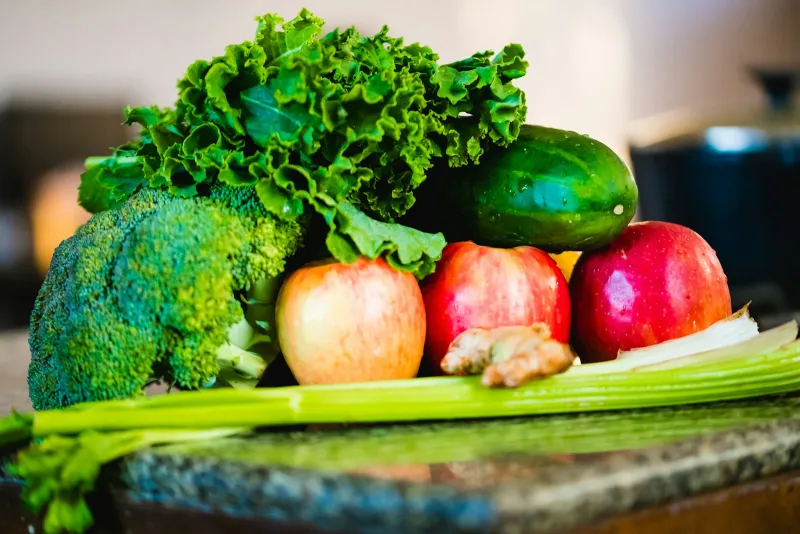
Natural Food Sources of Vitamin D
Vitamin D occupies a unique position in nutrition: it is both a vitamin and a prohormone, and unlike most vitamins, the human body can produce it endogenously — via UV-B radiation hitting the skin. Diet is therefore just one part of the vitamin D equation, yet an important one when sun exposure is limited. This is particularly relevant in Northern Europe, including Estonia, where UV-B intensity from October to March is insufficient to trigger meaningful skin synthesis regardless of time spent outdoors. Understanding which food sources of vitamin D exist, how bioavailable they are, and when supplementation becomes necessary helps you make an informed decision.
Top Food Sources of Vitamin D
Vitamin D occurs in two main dietary forms: D2 (ergocalciferol, found in plants and fungi) and D3 (cholecalciferol, found in animal products). D3 is more potent at raising and sustaining blood levels of 25-hydroxyvitamin D (Tripkovic et al., 2012).
| Food | Approximate Vitamin D Content |
|---|---|
| Wild-caught salmon (100 g, cooked) | 600–1000 IU |
| Farmed salmon (100 g, cooked) | 100–250 IU |
| Canned tuna (100 g) | 150–230 IU |
| Mackerel (100 g, cooked) | 150–360 IU |
| Herring (100 g, cooked) | 200–800 IU |
| Egg yolk (1 large) | 20–40 IU |
| UV-exposed mushrooms (100 g) | 100–800 IU (variable) |
| Fortified cow's milk (200 ml) | 80–100 IU (varies by brand) |
| Cod liver oil (1 teaspoon) | ~400–450 IU |
Note: IU values vary substantially by source, farming method, season, and analysis method. These represent typical ranges from published compositional databases.
Bioavailability: Food vs. Supplement
Vitamin D3 from food and from oil-based supplements shows similar bioavailability when consumed with a fat-containing meal. The critical insight from a meta-analysis comparing vitamin D2 and D3 is that D3 raises serum 25-hydroxyvitamin D levels more effectively and sustains them for longer than D2 at equivalent doses (Tripkovic et al., 2012). This is relevant when comparing mushroom-sourced D2 with fish-sourced D3.
Some fat is required for absorption regardless of source. Consuming vitamin D-rich fish with olive oil, or taking a supplement with a meal containing fat, optimises uptake.
Daily Targets from Diet
The EU daily reference value for vitamin D is 15 mcg (600 IU). The actual intake required to maintain blood levels above a threshold generally considered adequate for bone and immune health — typically cited as 50 nmol/L (20 ng/mL) 25-hydroxyvitamin D — is subject to ongoing debate, but most authorities agree that 600–800 IU per day is the minimum for adults not already sufficient.
Meeting 600 IU from food alone requires, for example, eating approximately 100 g of wild salmon twice per week, or substantially larger amounts of lower-density sources. For people who do not eat fatty fish regularly, dietary intake of vitamin D is typically well below reference values.
A survey of dietary intakes in Finland (a comparable latitude to Estonia) found mean vitamin D intake from food and supplements combined was significantly below the recommended amount in a substantial proportion of adults who did not use supplements (Jääskeläinen et al., 2013).
Cooking and Storage Effects
- Cooking: some vitamin D is lost during cooking. Baking or pan-frying fish at high temperatures can reduce vitamin D content by roughly 15–30%. Steaming is gentler. The losses are real but modest compared with the total starting content of high-vitamin-D sources.
- Storage: UV exposure increases vitamin D content in mushrooms — but once dried or stored away from light, this does not meaningfully continue. Fortified foods lose vitamin D progressively over their shelf life.
- Fat co-ingestion: as noted, vitamin D is fat-soluble. Consuming it without dietary fat significantly impairs absorption regardless of the source — food or supplement.
When Food Is Not Enough
For most people living in Northern Europe at 55–60° North latitude (including Estonia), dietary sources of vitamin D alone are insufficient to maintain adequate status through autumn and winter. The practical reality is:
- Sun exposure is the primary source in summer months.
- From October to March, dietary vitamin D and supplementation must carry the load.
- Populations particularly at risk of deficiency: office workers with little outdoor time year-round, darker-skinned individuals (whose melanin reduces UV-B synthesis), older adults (synthesis efficiency declines with age), and those with fat malabsorption syndromes.
A supplement providing 1,000–2,000 IU of vitamin D3 per day is the most practical solution for Northern Europeans through the winter. This is within the well-studied safe range and far below upper intake levels.
At maxfit.ee, options include OstroVit Vitamin D3 4000 IU 120caps, NOW Vitamin D3 5000 IU 120 softgels, 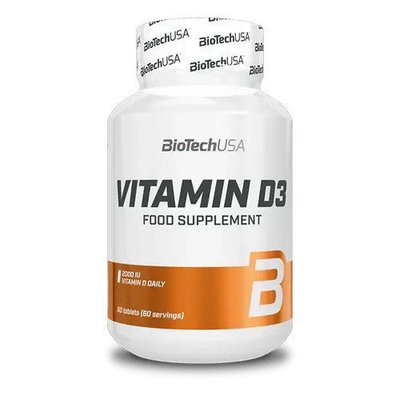 BIOTECHUSA Vitamin D3€11.90 In stock 60tab, and MST D3 1000 IU 100 softgels in the d-vitamiin category.
FAQ
Can I get enough vitamin D from food alone?
For most people living at high northern latitudes (above 50° North) from October to April, diet alone is insufficient to maintain adequate vitamin D status. Fatty fish several times per week contributes meaningfully, but even an optimal diet rarely provides more than 400–600 IU per day — below the levels recommended by most authorities.
Are vitamin D2 and D3 the same?
No. Vitamin D3 (cholecalciferol, from animal sources and most supplements) is more effective at raising and maintaining blood vitamin D levels than D2 (ergocalciferol, from plant and fungal sources) at equivalent doses (Tripkovic et al., 2012). When choosing a supplement, D3 is the preferred form.
Do UV-exposed mushrooms provide significant vitamin D?
Mushrooms placed gill-side up in direct sunlight for 15–30 minutes can accumulate significant vitamin D2. However, the D2 content varies widely by UV exposure conditions, and the D2 form is less potent than D3 at equivalent doses. For reliable vitamin D support in winter, supplementation with D3 is more dependable than relying on mushrooms alone.
References
Tripkovic, L., Lambert, H., Hart, K., Smith, C. P., Bucca, G., Penson, S., … Lanham-New, S. (2012). Comparison of vitamin D2 and vitamin D3 supplementation in raising serum 25-hydroxyvitamin D status: a systematic review and meta-analysis. American Journal of Clinical Nutrition, 95(6), 1357–1364. https://pubmed.ncbi.nlm.nih.gov/22552031/
Jääskeläinen, T., Itkonen, S. T., Lundqvist, A., Erkkola, M., Koskela, T., Lakkala, K., … Lamberg-Allardt, C. (2017). The positive impact of general vitamin D food fortification policy on vitamin D status in a representative adult Finnish population: evidence from an 11-y follow-up based on standardized 25-hydroxyvitamin D data. American Journal of Clinical Nutrition, 105(6), 1512–1520.



