Vitamin A: Retinol vs Beta-Carotene
Vitamin A is one of the first vitamins ever discovered and remains among the most important: it is essential for vision, immune function, skin regeneration, and cell differentiation. However, "vitamin A" is an umbrella term — in nature it appears in two distinct forms with different properties and safety profiles.
What Is Retinol?
Retinol (preformed vitamin A) is the bioactive form found in animal foods:
- Cod liver oil: ~30,000 mcg RAE / 100g
- Beef liver: ~9,700 mcg RAE / 100g
- Eggs: ~140 mcg RAE / 100g
- Whole milk: ~28 mcg RAE / 100g
Retinol is absorbed very efficiently and the body uses it directly. This is also its risk: excess accumulates in the liver and can cause toxicity.
What Is Beta-Carotene?
Beta-carotene is a provitamin A — meaning the body converts it into retinol as needed. It appears in many plants:
- Carrot: ~835 mcg RAE / 100g
- Sweet potato: ~709 mcg RAE / 100g
- Kale: ~681 mcg RAE / 100g
- Spinach: ~469 mcg RAE / 100g
A key advantage of beta-carotene: excess toxicity does not occur in practice, as the body regulates its own conversion to retinol. Skin may turn slightly orange (carotenodermia), but this is harmless.
Who Should Prefer Retinol?
- Vegans and vegetarians (insufficient animal-source intake)
- People with poor thyroid function (impaired beta-carotene conversion)
- Pregnant women have strict needs (medical supervision required — overdose is dangerous)
- Older adults whose conversion capacity declines
Safety Profile: A Major Difference
Retinol has clear toxic potential:
| Aspect | Retinol | Beta-Carotene |
|---|---|---|
| Toxicity from excess | Yes (hypervitaminosis A) | Practically absent |
| Upper limit for adults | 3000 mcg RAE/day | None established |
| Pregnancy | Extreme caution (teratogenic) | Safe |
| Smokers | Safe | High doses problematic* |
*The CARET study found that high-dose beta-carotene supplements increased lung cancer risk in smokers (Omenn et al., 1996) — high-dose beta-carotene supplements are therefore not recommended for smokers.
Vitamin A and Vision
Vitamin A is essential for forming rhodopsin, the eye's light-sensitive pigment. Deficiency first causes impaired night vision ("night blindness"). Globally, vitamin A deficiency is the leading preventable cause of childhood blindness (WHO, 2009). Clinical deficiency is rare in Europe, but suboptimal levels are possible in people with low dairy and liver consumption.
Multivitamins as the Best Way to Get Both Forms
At maxfit.ee you'll find quality multivitamins containing both vitamin A forms. NOW Adam Male Multivitamin 90caps provides vitamin A in doses calibrated for men's needs. NOW EVE Women's Multi 90 Soft Gels is optimised for women, offering a balanced vitamin A combination. 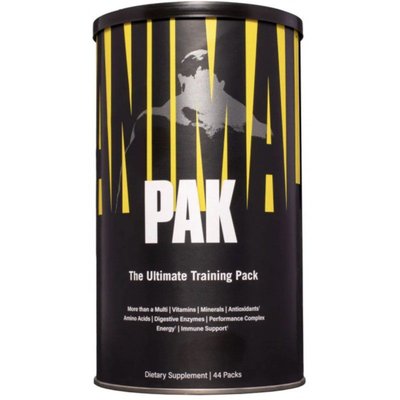 Universal Animal Pak 44 packs€54.90 In stock is a well-known sports multivitamin delivering a broad micronutrient spectrum for active individuals.
From the D-vitamin category, OstroVit Omega 3 + ADEK 90caps contains all fat-soluble vitamins A, D, E, K in one convenient supplement.
FAQ
Does a beta-carotene supplement fully replace retinol?
Not always. Beta-carotene conversion to retinol depends on several factors: thyroid function, genetic variants (e.g., BCMO1 gene), dietary fat, and gut health. Some individuals convert very little. If you suspect poor conversion, it is worth checking your blood vitamin A level.
What happens with a vitamin A overdose?
Acute toxicity (a single dose above 150,000 mcg) causes headache, nausea, and visual disturbance. Chronic toxicity (prolonged excess) damages the liver, causes bone pain, and is teratogenic during pregnancy. For this reason, pregnant women must not take vitamin A supplements without medical approval.
Can you overdose on vitamin A from eating carrots?
Practically no. The body regulates beta-carotene conversion and excess simply does not convert to retinol. Large amounts of carrots can cause orange skin (carotenodermia), but this is harmless and disappears when intake is reduced.
References
- Omenn, G. S., Goodman, G. E., Thornquist, M. D., et al. (1996). Effects of a combination of beta carotene and vitamin A on lung cancer and cardiovascular disease. New England Journal of Medicine, 334(18), 1150–1155.
- WHO. (2009). Global Prevalence of Vitamin A Deficiency in Populations at Risk 1995–2005. World Health Organization.
- Penniston, K. L., & Tanumihardjo, S. A. (2006). The acute and chronic toxic effects of vitamin A. American Journal of Clinical Nutrition, 83(2), 191–201.
- Tanumihardjo, S. A. (2011). Vitamin A: biomarkers of nutrition for development. American Journal of Clinical Nutrition, 94(2), 658S–665S.
- Ross, A. C. (2010). Vitamin A. In Modern Nutrition in Health and Disease (11th ed.). Lippincott Williams & Wilkins.



