Vitamin A and the Aging Body
Vitamin A encompasses two groups of compounds: preformed vitamin A (retinol and retinyl esters, found in animal foods and most supplements) and provitamin A carotenoids (primarily beta-carotene, found in plant foods and some supplements). These forms differ substantially in their absorption, storage, and safety profiles — a distinction that becomes critically important after age 50.
Vitamin A plays essential roles in vision (particularly low-light vision through its role in rhodopsin), immune cell differentiation, skin and mucous membrane integrity, and gene regulation. All of these remain relevant as we age. Vision quality, immune competence, and wound healing all carry higher stakes in older adults.
Age-Related Changes in Absorption and Need
The liver is the primary storage organ for vitamin A. As people age past 50, hepatic vitamin A stores actually tend to accumulate rather than deplete, because the liver becomes less efficient at mobilising stored retinol for distribution. Studies in older adults have consistently found higher liver retinol concentrations compared with younger populations, meaning that dietary and supplemental vitamin A intake requires more caution, not more generosity.
Provitamin A carotenoids (beta-carotene) are handled differently: the intestinal conversion enzyme BCMO1 becomes less efficient with age, meaning older adults convert beta-carotene to active vitamin A less readily. This creates a potential vitamin A adequacy concern for those relying exclusively on plant-source provitamin A — not because absorption is impaired but because conversion is slower.
Dose and Safety for Seniors
The tolerable upper intake level for preformed vitamin A (retinol) in adults is 3000 micrograms RAE per day (approximately 10,000 IU). This threshold is based on risk of liver toxicity and bone effects.
For seniors specifically, the bone risk is the more pressing concern. Multiple studies have associated chronic intake of preformed retinol above approximately 1500 micrograms RAE per day with reduced bone mineral density and increased hip fracture risk (Promislow et al., 2002). Older adults with already-declining bone density are at greater risk from this effect.
The practical recommendation for seniors is to choose vitamin A supplements that provide beta-carotene rather than preformed retinol wherever possible. Beta-carotene is converted to vitamin A in the intestine only as needed and does not accumulate in the liver in the same way. OstroVit Vitamin D3 + K2 90 tabs and 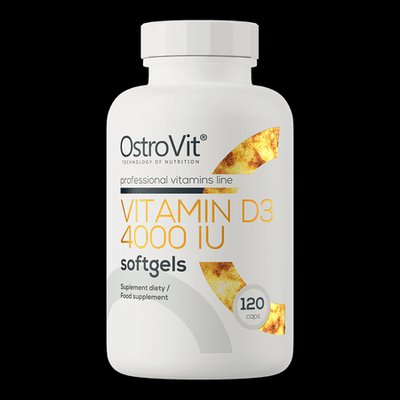 OstroVit Vitamin D3 4000 IU€8.90 In stock + K2 100tabs — available at maxfit.ee — are examples of senior-appropriate fat-soluble vitamin supplements that support vitamin A metabolism indirectly via vitamin K2 co-administration.
Interactions with Medication
Several common medications interact with vitamin A metabolism:
- Retinoids (isotretinoin, tretinoin, acitretin): These are pharmaceutical-grade vitamin A derivatives used for skin conditions and certain cancers. Taking vitamin A supplements alongside retinoids risks additive toxicity — this combination should be avoided.
- Orlistat (fat-absorption blocking weight-loss drug): By reducing fat absorption, orlistat also reduces absorption of fat-soluble vitamin A, potentially creating deficiency in long-term users who do not compensate with supplementation or dietary adjustment.
- Cholestyramine (bile acid sequestrant): Reduces absorption of fat-soluble vitamins including vitamin A.
- Certain antibiotics taken long-term have been associated with reduced vitamin K production by gut bacteria, which indirectly affects the balance of fat-soluble vitamin absorption and use.
When to Supplement Vitamin A After 50
Vitamin A supplementation in seniors is most justified when:
- Dietary intake of both animal sources (liver, eggs, dairy) and orange-yellow vegetables is consistently low
- Fat malabsorption conditions (inflammatory bowel disease, pancreatic insufficiency) impair absorption
- Night vision difficulties suggest depleted rhodopsin and possible vitamin A insufficiency
- Blood serum retinol levels are documented to be below the adequate range
For seniors eating a varied diet including some animal foods and coloured vegetables, supplementation with the standard dose from a multivitamin using beta-carotene as the vitamin A source is reasonable as an insurance strategy. Separate high-dose vitamin A supplements are rarely indicated and carry bone risk that warrants discussion with a physician.
FAQ
Can vitamin A supplements cause liver damage in seniors?
Chronic intake of preformed retinol at very high doses has been associated with hepatotoxicity in susceptible individuals. At supplement doses within the tolerable upper intake level and from multivitamins using beta-carotene, liver damage risk is very low. Regular alcohol consumption alongside vitamin A supplementation increases hepatic risk.
Does vitamin A deficiency affect vision in older adults?
Yes — vitamin A is required for rhodopsin synthesis in rod photoreceptors, which are responsible for low-light vision. Night blindness is one of the earliest signs of vitamin A deficiency. However, true deficiency is rare in elderly people in high-income countries with varied diets; poor night vision in seniors is more often due to age-related retinal changes than vitamin A status.
Should seniors take vitamin A with vitamin D and K2?
Vitamins A, D, and K2 function interdependently in calcium and bone metabolism. Taking them together is supported by the science of fat-soluble vitamin synergy, though dosing each correctly is important — particularly keeping retinol doses moderate. Combined formulas that balance these three vitamins are available and sensible.
References
Promislow, J. H., Goodman-Gruen, D., Slymen, D. J., & Barrett-Connor, E. (2002). Retinol intake and bone mineral density in the elderly: the Rancho Bernardo Study. Journal of Bone and Mineral Research, 17(8), 1349-1358. https://pubmed.ncbi.nlm.nih.gov/12162487/
Feskanich, D., Singh, V., Willett, W. C., & Colditz, G. A. (2002). Vitamin A intake and hip fractures among postmenopausal women. JAMA, 287(1), 47-54. https://pubmed.ncbi.nlm.nih.gov/11754708/



