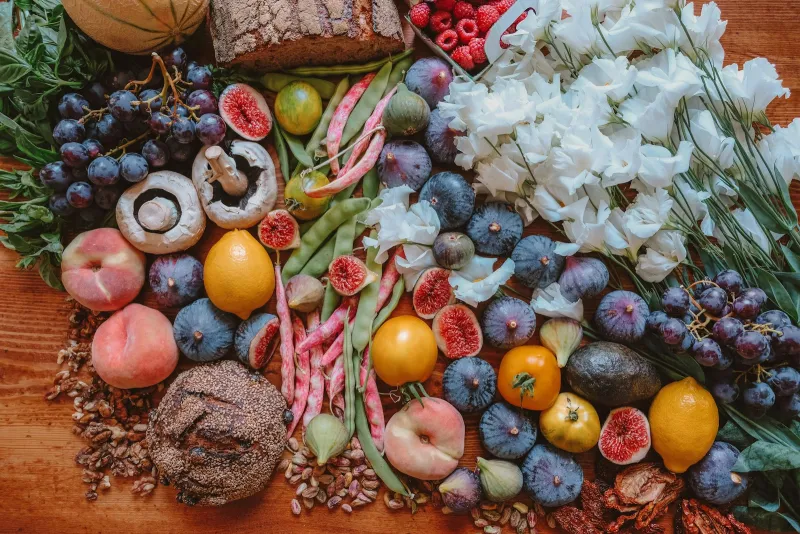
Natural Food Sources of Vitamin A
Vitamin A is a fat-soluble nutrient essential for vision, immune function, and cell growth. It exists in two main dietary forms: preformed vitamin A (retinol and retinyl esters) found in animal foods, and provitamin A carotenoids (primarily beta-carotene) found in plant foods. Understanding both forms — and their differences in bioavailability — helps you plan a diet that reliably meets your needs.
Top Food Sources of Vitamin A
Preformed Vitamin A (Animal Sources)
Animal foods provide retinol, which the body uses directly without conversion. The richest sources include:
- Beef liver: one of the most concentrated sources of preformed vitamin A among commonly eaten foods
- Chicken liver: similarly high, widely available
- Fatty fish (mackerel, salmon, herring): provide moderate amounts alongside omega-3 fatty acids
- Dairy products (whole milk, butter, cheese): contribute meaningful amounts in typical servings
- Eggs: particularly the yolk contains retinol along with other fat-soluble vitamins
Provitamin A (Plant Sources)
Orange and dark-green vegetables are the primary plant sources. Beta-carotene is split into retinol in the intestinal wall, but the conversion rate varies:
- Carrots: among the highest plant sources of beta-carotene
- Sweet potato: another concentrated source, particularly orange-fleshed varieties
- Spinach and kale: dark leafy greens with substantial carotenoid content
- Red and yellow peppers: good beta-carotene density
- Apricots and mangoes: fruit sources with meaningful carotenoid content
Bioavailability: Food vs. Supplement
Preformed retinol from animal foods and supplements is absorbed efficiently. Beta-carotene from plant foods is less bioavailable — the conversion efficiency depends on gut health, genetics, and the food matrix. Cooking and modest fat intake in the same meal meaningfully improve beta-carotene absorption from vegetables (van het Hof et al., 1999). A small amount of dietary fat consumed with carotenoid-rich vegetables increases carotenoid uptake.
One key implication: people relying purely on plant sources should consume generous portions of carotenoid-rich vegetables regularly, especially if they follow a fully plant-based diet.
Daily Targets From Diet
Dietary reference intakes are expressed as retinol activity equivalents (RAE). One RAE equals 1 microgram of retinol. A varied diet containing liver occasionally, dairy, eggs, and colourful vegetables can typically meet daily requirements without supplements for healthy adults.
However, intake surveys consistently show that subgroups — including strict vegans, those with fat-malabsorption conditions, and people with very low dietary diversity — may not reach adequate levels through food alone.
Cooking and Storage Effects
Retinol in animal foods is relatively stable to heat, but prolonged high-temperature cooking can degrade it. Beta-carotene in vegetables is generally enhanced by cooking — chopping and heating ruptures plant cell walls and releases carotenoids, making them more accessible. Storing vegetables in cool, dark conditions slows carotenoid degradation. Freezing tends to preserve carotenoids well.
Important: fat-soluble vitamins including vitamin A are absorbed alongside dietary fat. Eating a completely fat-free meal with carotenoid-rich vegetables significantly reduces absorption of the provitamin A they contain (van het Hof et al., 1999).
When Food Isn't Enough
Certain situations increase the likelihood that dietary intake alone may be insufficient:
- Fat malabsorption (Crohn's disease, coeliac disease, liver disease): retinol and carotenoids require bile salts and fat for absorption
- Strict plant-based diets: conversion of beta-carotene to retinol varies and may be genetically limited in some individuals
- Very low dietary diversity or food insecurity contexts
- Pregnancy and lactation: requirements increase
In these cases, a supplement providing a modest dose of preformed vitamin A or a multivitamin may bridge the gap. However, preformed vitamin A has a relatively low tolerable upper intake level — excess intake over time is associated with toxicity — so supplementing at high doses without clinical guidance is not advisable.
For general supplement support, the vitamin complex category at maxfit.ee includes products such as BIOTECHUSA Active Women 60tab and Optimum Nutrition Opti-Women 120tabs that contain vitamin A as part of a balanced micronutrient formula.
FAQ
Which food has the most vitamin A?
Beef and chicken liver are among the richest dietary sources of preformed vitamin A (retinol). Plant foods such as carrots, sweet potato, and spinach provide provitamin A carotenoids (beta-carotene), though conversion to retinol is less efficient than direct retinol absorption.
Does cooking destroy vitamin A in vegetables?
Generally no — cooking tends to increase the bioavailability of beta-carotene from vegetables by breaking down cell walls. However, extreme prolonged heat can cause some degradation. Pairing cooked vegetables with a small amount of fat further enhances carotenoid absorption (van het Hof et al., 1999).
Can I get enough vitamin A from a vegan diet?
It is possible but requires consistent attention. Plant foods provide only provitamin A carotenoids, not preformed retinol. Conversion efficiency varies among individuals. Regular large servings of orange and dark-green vegetables, cooked and eaten with some fat, can support adequate status for many people — but some may benefit from additional support.
References
van het Hof, K. H., West, C. E., Weststrate, J. A., & Hautvast, J. G. (1999). Dietary factors that affect the bioavailability of carotenoids. Journal of Nutrition, 129(7), 1438-1445.
Solomons, N. W. (2001). Vitamin A and carotenoids. In: Bowman, B. A., & Russell, R. M. (Eds.), Present Knowledge in Nutrition (8th ed.). ILSI Press. [Cited for general context — readers should consult primary sources for specific numbers.]
Yeum, K. J., & Russell, R. M. (2002). Carotenoid bioavailability and bioconversion. Annual Review of Nutrition, 22, 483-504. https://pubmed.ncbi.nlm.nih.gov/12055355/



