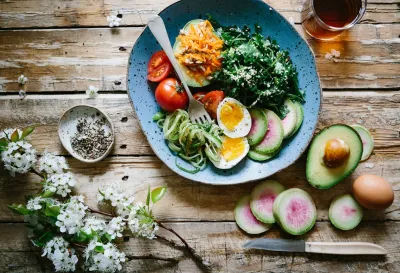
Vegan stack basics
A vegan diet can be complete and balanced, but a few nutrients are either less available from plants or absent altogether. This guide looks at what is genuinely worth considering as a supplement on a vegan diet in Estonia.
What actually needs attention
The most relevant points on a strict vegan diet:
- Vitamin B12 — practically absent from plants. Necessary for every vegan.
- Vitamin D — given Estonia's long dark months, sensible for everyone, especially vegans who do not eat fatty fish.
- Omega-3 (EPA/DHA) — flax, chia, and hemp seeds provide ALA, which converts only partially to EPA and DHA in the body. Algae-based omega-3 is a direct source.
- Iron — plant iron (non-heme) is less well absorbed. A careful menu can cover the need, but in some cases a supplement is reasonable.
- Zinc, iodine, selenium — depends on the specific menu.
- Protein — not always a supplement issue, but a plant protein powder makes hitting the target easier.
Simple starter stack
| Priority | Product |
|---|---|
| 1 | Vitamin B12 (daily) |
| 2 | Vitamin D (especially October–March) |
| 3 | Algae omega-3 (EPA + DHA) |
| 4 | Plant protein powder (optional, if intake is low) |
1. B12
Vitamin B12 contributes to normal functioning of the nervous system, to reduction of tiredness and fatigue, and to normal formation of red blood cells (EFSA claims). For vegans, B12 supplementation is essentially required.
2. Vitamin D
Vitamin D contributes to the maintenance of normal bones and to the normal function of the immune system (EFSA claims). In Estonia, skin-based synthesis is insufficient for a large part of the year.
3. Algae omega-3
EPA and DHA contribute to normal heart function (at least 250 mg per day, EFSA). Algae-based omega-3 is a vegan and plant-direct source — no need to rely on ALA conversion.
4. Plant protein powder
If plant protein intake falls short, a plant protein powder (often pea, rice, or a blend) is an easy add-on. Whey protein is not vegan.
What to avoid
- Promises that plant blends "replace" all nutrients — that is sales talk, not science.
- Exotic "superfoods" as a substitute for the basics — B12 and vitamin D are simple, ordinary supplements; exotic powders do not replace them.
- Supplements that promise medical effects — supplements are not medicines.
Practical tips
- Annual blood test — your GP can check B12, vitamin D, iron, and other markers as needed.
- Labels — check that products are vegan-certified if that matters to you.
- Doses — always follow the recommended amount on the label.
- Food first — most nutrients are obtainable from a varied plant-based menu.
Who this is for
Adult vegans and vegetarians in Estonia. If you are planning pregnancy, are pregnant or breastfeeding, or have a health concern, consult a healthcare professional or registered nutritionist.
See also:
- Plant Protein for Vegans: A Science-Based Guide
- Omega-3 Fish Oil: A Science-Based Guide
- Vitamin D: A Science-Based Guide
- Multivitamin: A Science-Based Guide
Browse plant protein at MaxFit → Browse vitamin D at MaxFit → Browse vitamins and minerals at MaxFit →
Important notice
A food supplement is not a substitute for a varied and balanced diet and a healthy lifestyle. Consult a healthcare professional for personal advice.