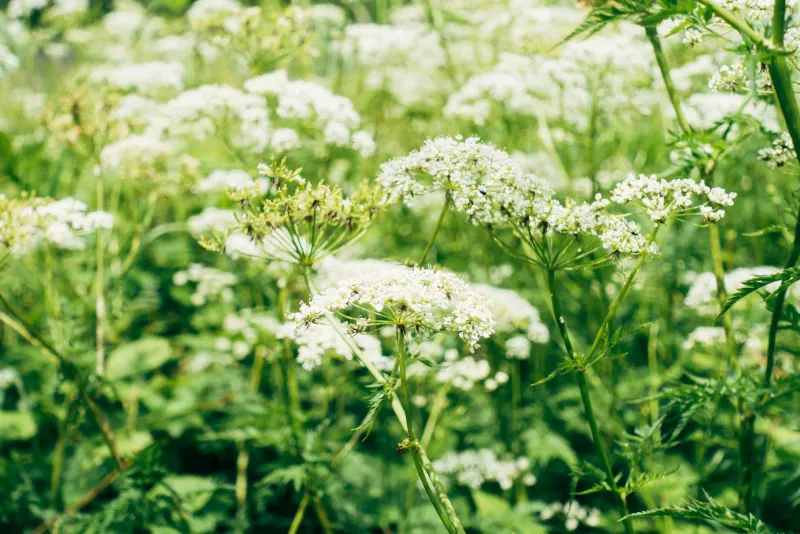
Valerian for Vegans: Starting With the Good News
Valerian vegan supplementation is straightforward in one important respect: valerian (Valeriana officinalis) is a plant. The root, which contains the bioactive constituents, is 100% of plant origin. This means the herb itself is inherently vegan-friendly. The question for plant-based consumers is really about the delivery format — whether capsule shells, binders, and excipients in a given product are also free of animal-derived ingredients.
For vegans and vegetarians seeking natural support for sleep quality and anxiety reduction, valerian is one of the most evidence-backed herbal options available, and most formulations can be made or found in vegan-compatible forms.
Why Plant-Based Diets May Fall Short on Sleep Support
Vegans and vegetarians do not face a dietary deficiency of valerian — it is a herbal supplement with no dietary equivalents. However, this demographic may be particularly interested in valerian for several reasons:
- Plant-based diets, depending on their composition, may be lower in tryptophan (a serotonin and melatonin precursor) and in certain B vitamins that support sleep-related neurotransmitter pathways.
- Vegans avoiding animal-derived melatonin supplements (which are sometimes derived from bovine pineal glands) may look to herbal alternatives like valerian.
- The typical pattern of finding vegan capsule formats for herbal supplements is a genuine practical barrier for some consumers.
How Valerian Works
Valerian root contains several classes of compounds including valerenic acid, isovalerenic acid, and various flavonoids. The proposed mechanisms include partial GABA-A receptor agonism and inhibition of GABA degradation, leading to increased GABAergic tone in the central nervous system. This mechanism is broadly sedating and anxiolytic.
Valerenic acid in particular is thought to be responsible for much of the sedative effect and is used as a quality marker for valerian extracts.
Evidence for Sleep and Anxiety
The evidence base for valerian is modest but genuine. Bent et al. (2006) conducted a systematic review and meta-analysis of 16 randomised controlled trials on valerian for sleep quality. The authors concluded that valerian may improve sleep quality without producing side effects, though the evidence was not strong enough for definitive conclusions. Many included studies had methodological limitations.
For anxiety, Kennedy et al. (2006) found that a combination herbal extract containing valerian produced significant reductions in anxiety scores compared to placebo in a double-blind trial — though valerian was not tested in isolation in this study.
Products in the relaxation category at maxfit.ee include ICONFIT Capsules Good Sleep N90 and ICONFIT Capsules Ashwagandha N90, which can complement a valerian regimen for plant-based consumers focused on sleep and stress support.
Vegan-Friendly Sources of Valerian
The herb is commercially cultivated and the dried root or root extract is universally plant-derived. For vegans, the concerns are entirely about the product formulation:
- Gelatin capsules: Most soft-gel and many hard capsule formulations use gelatin (from animal connective tissue). Vegan alternatives use HPMC (hydroxypropyl methylcellulose) or pullulan capsules.
- Excipients: Magnesium stearate is commonly sourced from plant oils but may sometimes be from animal tallow — checking with the manufacturer is advisable for strict vegans.
- Tablets: Valerian root tablets typically use only plant-derived binders and fillers, making them inherently safer for vegans from an ingredient perspective.
Powder-format valerian products are also available and sidestep capsule material concerns entirely.
Dose Targets
There is no established RDA for valerian. Doses used in clinical trials typically range:
- For sleep: 300–600 mg of dried valerian root extract taken 30–60 minutes before bedtime. Most studies run 2–4 weeks before significant effects are reported.
- For anxiety/relaxation: 120–250 mg, typically taken in divided doses across the day.
- Standardised extracts: Products standardised to 0.8% valerenic acid are the most commonly used quality benchmark.
For sleep, consistency of use over several weeks is more important than a large single dose.
What to Combine With Valerian
Valerian is commonly combined with other vegan-compatible relaxation herbs:
- Lemon balm (Melissa officinalis): complementary GABA-A mechanism, well studied alongside valerian. OstroVit Lemon Balm VEGE 90caps is a vegan-certified option at maxfit.ee.
- Passionflower (Passiflora): additional anxiolytic flavonoids.
- Magnesium: supports neurological relaxation and is itself a common nutrient gap in vegan diets.
Browse sleep and relaxation options at maxfit.ee/en/category/uni-ja-loogastus.
Choosing a Vegan Valerian Product
Key checks when selecting a vegan valerian product:
- Capsule shell labelled HPMC, vegetable cellulose, or pullulan — not gelatin.
- Standardised to valerenic acid content where possible.
- Third-party tested for heavy metals (valerian root can accumulate soil contaminants).
- Manufactured in a facility that declares no cross-contamination with animal-derived ingredients if this matters to you.
Many major supplement brands now offer clearly labelled vegan valerian products, particularly in the Estonian and Nordic markets.
References
- Bent, S., Padula, A., Moore, D., Patterson, M., & Mehling, W. (2006). Valerian for sleep: a systematic review and meta-analysis. American Journal of Medicine, 119(12), 1005–1012. https://pubmed.ncbi.nlm.nih.gov/17145239/
- Kennedy, D. O., Little, W., Haskell, C. F., & Scholey, A. B. (2006). Anxiolytic effects of a combination of Melissa officinalis and Valeriana officinalis during laboratory induced stress. Phytotherapy Research, 20(2), 96–102. https://pubmed.ncbi.nlm.nih.gov/16444660/
- Trauner, G., Khom, S., Baburin, I., Benedek, B., Hering, S., & Kopp, B. (2008). Modulation of GABA-A receptors by valerian extracts is related to the content of valerenic acid. Planta Medica, 74(1), 19–24. https://pubmed.ncbi.nlm.nih.gov/18095218/
FAQ
Is valerian root inherently vegan?
Yes — the herb itself is 100% plant-derived. The only animal-derived components to check are the capsule material (gelatin vs HPMC) and excipients in the specific product you choose.
How long does it take for valerian to work for sleep?
Most clinical studies report noticeable improvement in sleep quality after 2–4 weeks of consistent nightly use. Taking valerian once and expecting immediate dramatic sedation is not realistic based on the evidence — though some individuals do notice acute relaxation effects.
Can valerian be combined with melatonin?
Yes, and this combination is commonly available. For vegans, plant-derived or synthetically manufactured melatonin (not from bovine pineal glands) is widely available. The two supplements have complementary but different mechanisms and are generally considered safe to combine at standard doses.



