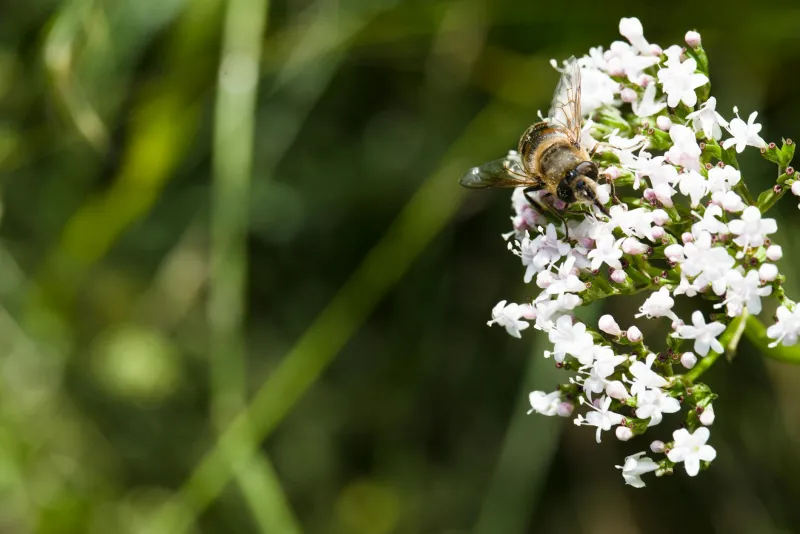
Valerian and the Absorption Challenge
Valerian (Valeriana officinalis) is one of the most widely used herbal sleep aids, yet users often report inconsistent results. A key reason is that valerian absorption is highly variable — influenced by the extract form, stomach contents, and individual metabolic differences. Understanding these factors helps you get more predictable effects.
What Limits Valerian Absorption
Valerian root contains two main active fractions: valerenic acids and iridoid valepotriates. Valerenic acids are relatively stable, while valepotriates break down readily in the acidic stomach environment, which reduces their bioavailable fraction significantly.
In addition, first-pass hepatic metabolism limits how much valerenic acid reaches systemic circulation. A study by Circosta et al. (2007) confirmed that sedative effects vary considerably depending on preparation method, which reflects these upstream absorption differences.
Poor quality standardisation in some products also means actual active-compound content may differ from the label, compounding absorption unpredictability.
Cofactors That May Help
GABA-adjacent compounds such as magnesium and L-theanine are sometimes paired with valerian in formulations. While magnesium and L-theanine each have independent evidence for sleep support, the combination has not been robustly studied for absorption enhancement per se. Their value is additive in effect rather than mechanistic in absorption.
Lemon balm (Melissa officinalis) is the most studied pairing. A randomised controlled trial by Cerny and Schmid (1999) found that the combination of valerian and lemon balm significantly improved sleep quality compared to placebo, suggesting that lemon balm may potentiate valerian's central effects, though the mechanism at the absorption level remains unclear.
Form and Timing Effects
Extract standardisation matters more than raw root dose. Look for products standardised to at least 0.8% valerenic acids — this gives a more reliable dose of the primary bioactive fraction.
Timing is important. Valerian is most relevant for sleep, so taking it 30–60 minutes before bed allows time for absorption and central nervous system effects to develop. Chronic use (taken nightly for two or more weeks) appears to produce more consistent results than single-dose use, likely because valepotriate metabolites accumulate and because sleep-related conditioning builds over time (Leathwood and Chauffard, 1985).
Capsules and standardised extracts generally outperform simple root powder for consistency, since the active fractions are more reliably concentrated.
Food Pairings
Valerian is best taken with a small amount of food — specifically a light snack with some fat content. Fat slows gastric emptying and extends contact time in the upper GI tract, which may support slightly better absorption of lipophilic fractions. A heavy meal is not necessary and may delay onset.
Avoid combining valerian with alcohol or sedating medications, as additive CNS depression is possible. Coffee or caffeinated drinks taken close to bedtime will work against the intended effect regardless of absorption.
Practical Tips for Better Results
- Choose standardised extracts (0.8% valerenic acids) over crude root powder.
- Take 30–60 minutes before bed with a small light snack.
- Use consistently for at least two weeks before judging effectiveness.
- Keep evening doses consistent — irregular timing reduces conditioning benefits.
- If results remain poor after 4 weeks, consult a healthcare professional; sleep difficulties may have underlying causes beyond what a supplement can address.
Valerian sleep supplements are available at maxfit.ee. The OstroVit Lemon Balm VEGE 90caps and ICONFIT Capsules Good Sleep N90 are examples of products combining sleep-supporting botanicals if you prefer a multi-ingredient approach.
FAQ
Does taking valerian with food really improve absorption?
A small light snack with some fat can marginally slow gastric emptying, giving the lipophilic fractions slightly more contact time. It also reduces any stomach discomfort. A full meal is not needed.
How long before bed should I take valerian?
Most studies use a 30–60 minute window before sleep. This allows onset of the calming effects while the absorption curve is still rising.
Is valerian safe for long-term nightly use?
Available evidence suggests short- to medium-term use (up to a few months) is generally well tolerated in healthy adults. Long-term data beyond six months are limited. Cycling use or periodic reassessment with a healthcare provider is a sensible approach.
References
Circosta, C., Pasquale, R. D., Samperi, S., Pino, A., & Occhiuto, F. (2007). Biological and analytical characterisation of two extracts from Valeriana officinalis. Journal of Ethnopharmacology, 110(1), 113-118.
Cerny, A., & Schmid, K. (1999). Tolerability and efficacy of valerian/lemon balm in healthy volunteers (a double-blind, placebo-controlled, multicentre study). Fitoterapia, 70(3), 221-228.
Leathwood, P. D., & Chauffard, F. (1985). Aqueous extract of valerian reduces latency to fall asleep in man. Planta Medica, 51(2), 144-148.



