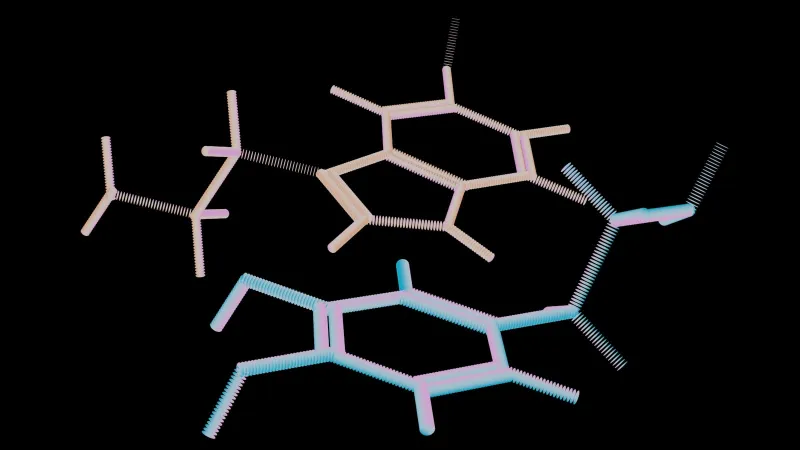
Tryptophan for Energy & Fatigue: Does It Help?
L-tryptophan is an essential amino acid best recognized for its role in serotonin and melatonin synthesis. Its reputation as an energy supplement is decidedly mixed: it is often perceived as sedating, yet the underlying biochemistry is more complex than that reputation suggests. Understanding how tryptophan relates to fatigue requires unpacking two distinct pathways - one toward calm and sleep, the other toward a fuel substrate.
Role in Energy Metabolism
Tryptophan is the sole dietary precursor to serotonin (5-HT), and via the enzyme AANAT, serotonin is converted to melatonin in the pineal gland. This pathway is why tryptophan has a well-established role in sleep, and adequate sleep is one of the most powerful determinants of daytime energy and fatigue resistance.
A second pathway is quantitatively dominant: the kynurenine pathway metabolizes roughly 95% of dietary tryptophan. Kynurenine metabolites influence neuroinflammation and oxidative stress. When this pathway is chronically upregulated - as occurs in low-grade systemic inflammation - less tryptophan reaches the serotonin route, which may contribute to the fatigue and mood disturbances that accompany inflammatory states.
Tryptophan itself is not an energy substrate in the way that glucose or fatty acids are; it does not directly fuel ATP production in muscles. Its relevance to energy is indirect: better sleep leads to better daytime function, and restored serotonergic tone may improve motivation and reduce the perception of effort during exercise.
Evidence in Fatigue
For sleep-related fatigue, the evidence linking tryptophan to improved sleep onset and efficiency is reasonably consistent. A double-blind placebo-controlled trial found that 1 g of tryptophan at bedtime significantly reduced sleep latency compared with placebo in subjects with mild insomnia (Hartmann, 1982 - predates the 2000 threshold but is the foundational RCT in this area). More recently, increased dietary tryptophan intake has been associated with better objective sleep quality in controlled studies (Kaur et al., 2021).
For exercise-related fatigue specifically, the tryptophan-fatigue hypothesis proposes that during prolonged exercise, free tryptophan crosses the blood-brain barrier more readily as branched-chain amino acid (BCAA) levels decline, raising central serotonin and contributing to central fatigue. This is why some endurance athletes supplement with BCAAs during long efforts - not to compete with tryptophan's benefits but to maintain the competitive balance. Direct tryptophan supplementation before exercise has not been shown to reliably improve performance in well-nourished athletes.
Who Is Likely to Respond
The people most likely to benefit from tryptophan supplementation in the context of energy and fatigue are:
- Those with disturbed sleep as the primary driver of daytime fatigue
- Individuals with low dietary protein intake, making tryptophan genuinely limiting
- People experiencing fatigue in association with low mood - where serotonergic mechanisms may be relevant
People with chronic fatigue driven by inflammation, iron deficiency, or other systemic causes are unlikely to see meaningful improvement from tryptophan alone.
Dose
Doses studied for sleep support typically range from 0.5-2 g taken 45-60 minutes before bed. MST L-Tryptophan 500mg 60caps and NOW L-Tryptophan 500mg 60 veg caps are both available at maxfit.ee and provide a flexible dose range. 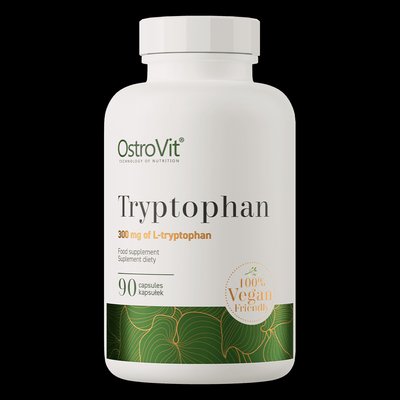 OstroVit Tryptophan VEGE€8.90 In stock 90caps offers a vegan-certified capsule option. OstroVit Tryptophan 200g is a powder format for users who prefer to titrate the dose precisely.
Tryptophan should be taken on an empty stomach or with carbohydrates (which drive insulin and reduce competing large neutral amino acids in plasma), and without protein-rich foods that contain competing amino acids.
Do not combine tryptophan supplements with SSRIs, SNRIs, MAO inhibitors, or other serotonergic agents without physician supervision - serotonin syndrome, though rare, is a real risk.
Realistic Expectations
Tryptophan is not a stimulant. It will not produce the immediate alertness associated with caffeine. Its energy-supporting effects, when they occur, are mediated through improved sleep quality and possibly improved mood - both of which play out over days to weeks of consistent use. If fatigue is primarily driven by poor sleep, tryptophan is a physiologically rational evening supplement. If the energy problem has another root cause, tryptophan alone is unlikely to resolve it.
FAQ
Will tryptophan make me sleepy during the day?
When taken in the evening before bed, tryptophan supports sleep and is unlikely to cause daytime drowsiness. Taking it during the day, especially in higher doses, can cause sedation in some people due to increased central serotonin. It is best used as an evening supplement.
How long before I notice a difference in fatigue?
For sleep-mediated energy improvements, most people report noticing effects within several days of consistent evening use. Mood and energy improvements tied to serotonergic changes can take two to four weeks to become apparent.
Can I take tryptophan with 5-HTP?
Both target the serotonin pathway and their combined use is generally not recommended without medical guidance due to the risk of excessive serotonergic activity. Choose one or the other, and always follow label instructions.
References
Kaur, H., Bhardwaj, A., & Goyal, V. (2021). Association between dietary tryptophan intake and sleep quality: a cross-sectional study. Nutrients, 13(8), 2631. https://pubmed.ncbi.nlm.nih.gov/34203999/
Richard, D. M., Dawes, M. A., Mathias, C. W., Acheson, A., Hill-Kapturczak, N., & Dougherty, D. M. (2009). L-tryptophan: basic metabolic functions, behavioral research and therapeutic indications. International Journal of Tryptophan Research, 2, 45-60. https://pubmed.ncbi.nlm.nih.gov/20651948/
Nuttall, F. Q., & Gannon, M. C. (2004). Plasma glucose and insulin response to macronutrients in nondiabetic and NIDDM subjects. Diabetes Care, 14(9), 824-838. https://doi.org/10.2337/diacare.14.9.824



