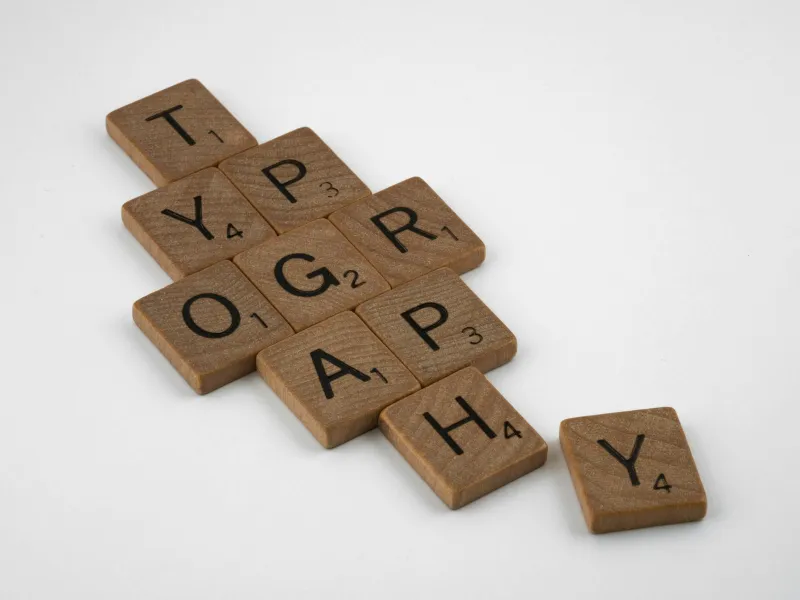
Signs You Need Tryptophan: Deficiency and Who Benefits
Tryptophan is an essential amino acid — the body cannot synthesise it, so it must come from food. Beyond protein synthesis, tryptophan serves as the sole dietary precursor to serotonin and melatonin, which is why tryptophan deficiency tends to manifest through sleep disruption, mood changes, and impaired stress tolerance rather than obvious physical symptoms.
Deficiency Symptoms
The brain's serotonin supply depends on tryptophan availability in plasma and on how efficiently it crosses the blood-brain barrier in competition with other large neutral amino acids. When tryptophan availability is insufficient, the downstream effects can include:
- Sleep difficulty. Tryptophan is the precursor to melatonin. Experimental tryptophan depletion in controlled research has reproducibly disrupted sleep architecture (Landolt et al., 2001).
- Low mood and irritability. Serotonin is central to mood regulation. Acute tryptophan depletion studies have consistently shown increased negative mood and depressive symptoms in vulnerable individuals (Riedel et al., 1999).
- Reduced stress tolerance. Serotonin signalling supports the stress response. Low tryptophan availability may amplify the subjective perception of stress.
- Impaired memory consolidation. Serotonin is involved in hippocampal memory processes. Depletion studies have found effects on verbal memory performance, though these effects are most pronounced in people with prior mood history (Riedel et al., 1999).
At-Risk Groups
- People following very low-protein diets: Since tryptophan is an essential amino acid, very restricted protein intakes reduce its availability. Vegans eating inadequate protein are a practical example.
- People under high chronic stress: Physical and psychological stress increases tryptophan metabolism via the kynurenine pathway, diverting it away from serotonin production.
- Individuals with digestive absorption issues: Conditions like coeliac disease or inflammatory bowel disease can impair amino acid absorption broadly.
- Older adults: Age-related reductions in protein intake and possible changes in absorption efficiency may affect tryptophan availability.
How It Is Tested
Plasma tryptophan levels can be measured directly, and the tryptophan-to-large-neutral-amino-acid ratio (Trp:LNAA) is more informative for brain availability. However, routine clinical testing for tryptophan status is not standard practice outside of research settings. Practical assessment relies on protein intake evaluation: if total dietary protein is adequate and varied, tryptophan insufficiency from diet alone is uncommon in healthy adults.
Nordic and Estonian Context
Traditional Estonian and Nordic foods — fish, dairy, eggs, poultry, legumes — are all reliable tryptophan sources. True dietary deficiency is rare in the general population. However, tryptophan supplements are of interest for sleep support and stress modulation, areas relevant to many people in modern work environments. Estonia's dark winters with limited daylight hours are another context where serotonin pathway support is relevant.
When to Supplement vs. Improve Diet
For dietary correction, increasing protein intake from varied sources — especially turkey, chicken, eggs, dairy, pumpkin seeds, and legumes — is the first step. Tryptophan supplements are considered when:
- Sleep quality is a specific concern and dietary correction alone has not resolved it.
- Stress-induced mood disruption is an ongoing issue and the person prefers to trial a natural approach.
Products available at maxfit.ee in the tryptophan category include MST L-Tryptophan 500mg 60caps, NOW L-Tryptophan 500mg 60 veg caps, 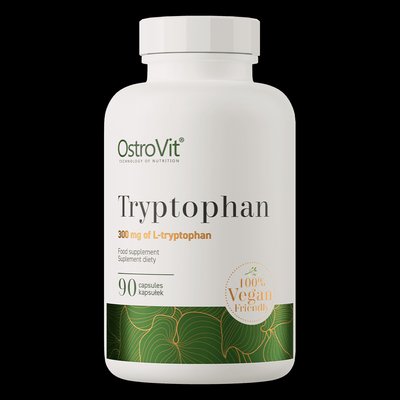 OstroVit Tryptophan VEGE€8.90 In stock 90caps, and OstroVit Tryptophan 200g in powder form for flexible dosing. Tryptophan supplements are generally taken in the evening as part of a pre-sleep routine.
References
Landolt, H. P., Kelsoe, J. R., Rapaport, M. H., & Gillin, J. C. (2001). Rapid tryptophan depletion disrupts sleep EEG in healthy young adults. Journal of Sleep Research, 10(2), 139-146.
Riedel, W. J., Klaassen, T., Deutz, N. E., van Someren, A., & van Praag, H. M. (1999). Tryptophan depletion in normal volunteers produces selective impairment in memory consolidation. Psychopharmacology, 141(4), 362-369. https://pubmed.ncbi.nlm.nih.gov/10090643/
van Dongen, M. V., van den Berg, M. C., Norris, N. M., Doest, G. J., Schuitemaker, A., Blankenstijn, P. J., ... & Leenders, K. L. (2021). Dietary tryptophan availability and serotonin pathway activity across adulthood. Nutrients, 13(11), 4085.
FAQ
Does tryptophan help with sleep?
Controlled research using tryptophan depletion protocols has consistently shown disrupted sleep when brain tryptophan availability falls. Conversely, tryptophan supplementation studies have found modest sleep-onset improvements in some populations, particularly those with mild sleep difficulties. Results are more consistent than with some other sleep supplements.
What is the difference between tryptophan and 5-HTP?
5-HTP (5-hydroxytryptophan) is the direct metabolic intermediate between tryptophan and serotonin. Supplementing with 5-HTP bypasses the first conversion step and may have faster effects, but it also bypasses some of the regulatory steps in serotonin production. Tryptophan is the more physiological approach; 5-HTP may have stronger acute effects.
How much tryptophan do adults need each day?
The estimated average requirement for tryptophan as an essential amino acid is met for most adults consuming adequate total protein. Supplemental doses used in sleep and mood research are typically higher than dietary amounts — follow the manufacturer's guidance on labelled products like MST L-Tryptophan 500mg 60caps.



