Tribulus Dosage: How Much to Take (Evidence-Based)
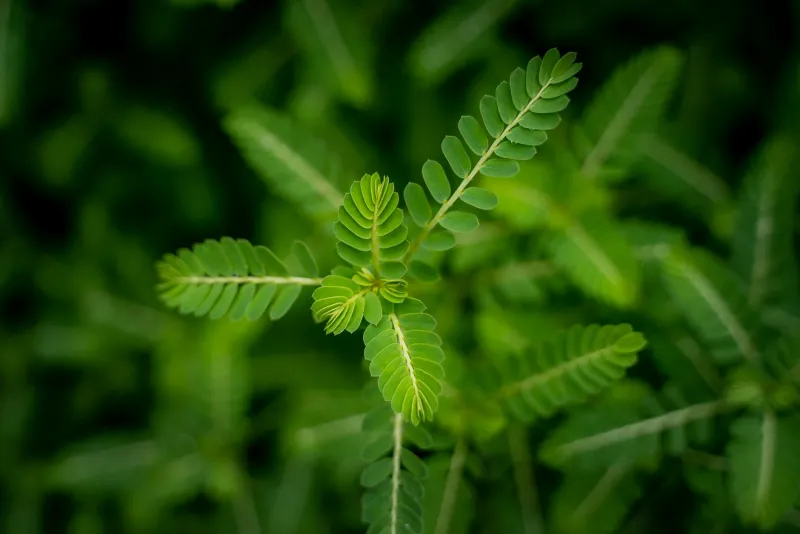
Tribulus dosage is one of the most searched questions among men interested in natural testosterone and libido support. Tribulus terrestris is a flowering plant whose extract — standardised for steroidal saponins called protodioscin — has been investigated in multiple human trials.
This guide covers what dose ranges were actually studied, how to adjust by goal, current understanding of upper limits, and practical timing guidance.
Studied Effective Dose Ranges
Human clinical trials on Tribulus terrestris have used doses ranging from 250 mg to 1500 mg of dry extract per day, most commonly split across two or three doses. A controlled study in healthy men using 750 mg/day of a standardised extract (40% saponins) reported improvements in sexual function scores over 90 days compared to placebo (Roaiah et al., 2016).
Studies specifically examining testosterone did not find significant changes in serum testosterone in healthy young men (Antonio et al., 2000). The primary documented effects are on sexual function and libido rather than anabolic hormone levels.
Standardisation matters: products should declare saponin content (typically 40–45%). Unstandardised preparations are not comparable to studied doses.
You can browse standardised Tribulus products in the Tribulus category at MaxFit.
Dose by Goal and Body Weight
For sexual health and libido support, the most studied range is 500–750 mg/day of standardised extract. There is no established body-weight scaling for Tribulus — clinical trials used fixed doses and did not stratify by participant weight.
For general adaptogenic use (often described as vitality support), lower doses of 250–500 mg/day are sometimes used, though the evidence base is thinner at these amounts.
Upper Limits and Safety
No formal upper tolerable limit has been established by EFSA or regulatory bodies for Tribulus terrestris. Animal studies have raised concerns about potential kidney toxicity at very high doses, but these involved doses far exceeding typical supplement amounts. Human trials at standard doses (up to 1500 mg/day) have not reported significant adverse effects.
EFSA has not issued an authorised health claim for Tribulus terrestris, meaning no specific efficacy claim may legally appear on a product label in the EU.
People with pre-existing kidney or prostate conditions, or those taking medications affecting hormone levels, should consult a healthcare professional before use.
Timing Relative to Dose
Most clinical trials used split dosing — typically two or three equal doses with meals — rather than a single large dose. Taking Tribulus with food reduces the likelihood of gastrointestinal discomfort and may improve consistency of absorption.
There is no strong evidence suggesting a specific time of day (morning vs. evening) is superior for Tribulus. For athletes focused on pre-workout timing, the adaptogenic rationale is a poor fit — Tribulus is not an acute performance enhancer.
Practical Protocol
A reasonable starting protocol based on the studied literature:
- Total daily dose: 500–750 mg of standardised extract (40%+ saponins)
- Split into: 2 doses, taken with breakfast and dinner
- Duration: 8–12 weeks; assess subjective response, then decide on continuation
- Cycling: Consider a 4-week break after each 12-week cycle
Check the product label for saponin percentage and adjust total capsule count accordingly. More does not reliably mean more benefit — stay within the studied range.
FAQ
Does Tribulus increase testosterone?
Controlled trials in healthy young men have not found significant increases in serum testosterone at typical doses (Antonio et al., 2000). Effects on sexual function have been reported, but anabolic claims are not well supported.
How long does Tribulus take to work?
Studies showing sexual function improvements ran for 90 days. Expecting meaningful effects in under 4–6 weeks is inconsistent with the clinical trial timelines.
Can women take Tribulus?
Small studies have investigated Tribulus in women for libido support with some positive signals, but the evidence base is much smaller than for men. Women who are pregnant or breastfeeding should avoid Tribulus.
References
Roaiah, M. F., El Khayat, Y. I., GamalEl Din, S. F., & Abd El Salam, M. A. (2016). Pilot study on the effect of botanical medicine (Tribulus terrestris) on serum testosterone level and erectile function in aging males with partial androgen deficiency. Journal of Sex & Marital Therapy, 42(4), 297–301. PMID: 25982560 https://pubmed.ncbi.nlm.nih.gov/25849625/
Antonio, J., Uelmen, J., Rodriguez, R., & Earnest, C. (2000). The effects of Tribulus terrestris on body composition and exercise performance in resistance-trained males. International Journal of Sport Nutrition and Exercise Metabolism, 10(2), 208–215. PMID: 10861338 https://pubmed.ncbi.nlm.nih.gov/10861339/



