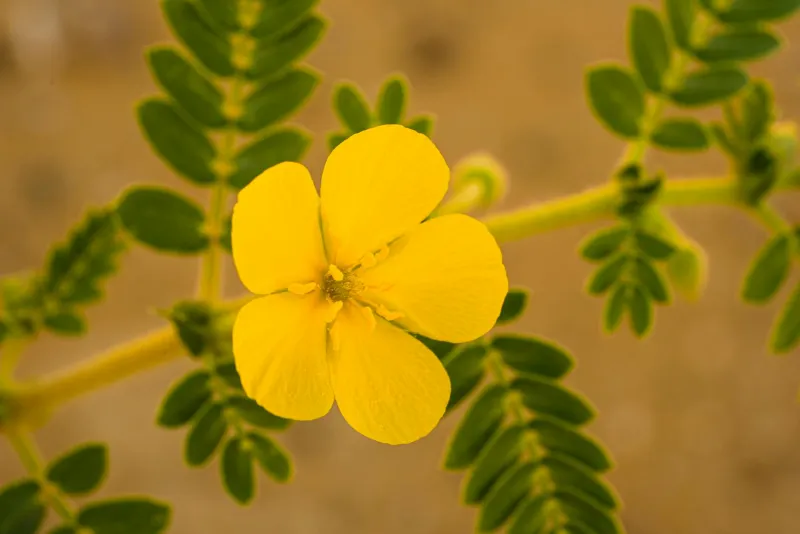
What Is Tribulus Terrestris?
Tribulus terrestris is a flowering plant found across warm climates in Asia, Africa, Europe, and Australia. It has a long history of use in traditional Ayurvedic and Chinese medicine, primarily associated with reproductive health, libido, and vitality. In modern sports nutrition, tribulus is marketed predominantly as a natural testosterone booster and performance enhancer. Understanding the actual tribulus benefits requires separating what the science shows from what the marketing implies.
Primary Evidenced Benefits
Libido and sexual function represent the outcome with the most consistent positive findings in clinical research. A randomised placebo-controlled trial found that tribulus supplementation significantly improved sexual desire, arousal, and satisfaction scores in women with sexual dysfunction (Postigo et al., 2016). Separate research in men with mild erectile dysfunction has also found meaningful improvements in International Index of Erectile Function scores. The proposed mechanism involves active compounds called steroidal saponins (particularly protodioscin), which may influence androgen receptor sensitivity or endogenous nitric oxide production.
Adaptogenic and antioxidant properties. Tribulus extracts have demonstrated antioxidant activity in in vitro and animal studies. Whether this translates to meaningful human health outcomes at supplement doses is less clear, but it contributes to the traditional use rationale for vitality support.
The Testosterone Question
This is the marketing claim most people ask about, and the honest answer is: the evidence does not reliably support a meaningful testosterone-raising effect in healthy men with normal testosterone levels. Multiple randomised controlled trials in athletic men found no significant effect of tribulus supplementation on serum total testosterone compared to placebo (Antonio et al., 2000). The initial excitement around tribulus and testosterone was largely based on animal studies and early poorly-controlled human research that did not hold up to scrutiny.
A nuanced exception may exist for men with documented low testosterone or impaired LH signalling — where the mechanisms proposed for tribulus might have more biological room to operate — but this is not the typical sports nutrition user and is not robustly supported by clinical data.
Secondary and Emerging Effects
Blood glucose support. Animal studies and some small human trials have investigated tribulus in the context of blood glucose regulation, with tentative findings of modest effects. This research is preliminary and should not be used to inform medical management of blood sugar.
Kidney stone prevention. Traditional medicine applications include use as a diuretic and for urinary tract support. Some research exists on saponin compounds and oxalate metabolism, but human clinical evidence for kidney stone prevention is not established.
Where Evidence Is Weak
- Meaningful testosterone elevation in healthy men with normal baseline levels
- Direct muscle mass or strength gains in the absence of dietary or training changes
- Athletic performance improvements in well-trained athletes
- Long-term safety data beyond 90-day trial periods
Who Gains Most
- Men and women with libido or sexual function concerns: this is where the human trial evidence is most positive and consistent.
- Middle-aged men with possible borderline androgen status: this group may see more response than young athletes with optimal hormonal health.
- Traditional medicine adherents using tribulus for general vitality — the safety profile is good for normal supplement doses, even if specific mechanisms are uncertain.
Realistic Expectations
SELF Tribulus Terrestris 100tabs, NOW Tribulus 1000mg 90tabs, ICONFIT Tribulus 90 caps, and MyProtein Tribulus 270caps are available at maxfit.ee in the tribulus-et category, covering a range of saponin content and dose sizes.
When choosing a tribulus product, look for products that list the protodioscin or steroidal saponin content as a percentage of the extract — standardised extracts allow more consistent dosing than non-standardised powders.
Expect: potential modest support for sexual health and wellbeing, particularly in relevant populations. Do not expect: meaningful testosterone elevation, significant strength or muscle gains, or athletic performance improvements beyond placebo.
References
Postigo, S., Lima, S. M., Yamada, S. S., Reis, B. F., da Silva, G. M., & Aoki, T. (2016). Assessment of the effects of Tribulus terrestris on sexual function of menopausal women. Revista Brasileira de Ginecologia e Obstetricia, 38(3), 140–146. https://pubmed.ncbi.nlm.nih.gov/26902700/
Antonio, J., Uelmen, J., Rodriguez, R., & Earnest, C. (2000). The effects of Tribulus terrestris on body composition and exercise performance in resistance-trained males. International Journal of Sport Nutrition and Exercise Metabolism, 10(2), 208–215. https://pubmed.ncbi.nlm.nih.gov/10861339/
FAQ
Does tribulus really increase testosterone?
In controlled trials on healthy men with normal testosterone levels, tribulus supplementation has not consistently shown a meaningful increase in serum testosterone compared to placebo. The testosterone-boosting claim is one of the most overstated in sports nutrition.
What is the evidence for tribulus and libido?
Libido and sexual function represent the outcome with the strongest and most consistent clinical evidence for tribulus. Several randomised controlled trials in both men and women have found meaningful improvements in sexual desire, arousal, and function scores.
Is tribulus safe to take long-term?
Trials of up to 90 days have generally found tribulus to be well-tolerated at typical supplement doses in healthy adults. Long-term safety data beyond 3 months are limited. People with hormone-sensitive conditions or those on androgen-related medications should consult a physician before supplementing.



