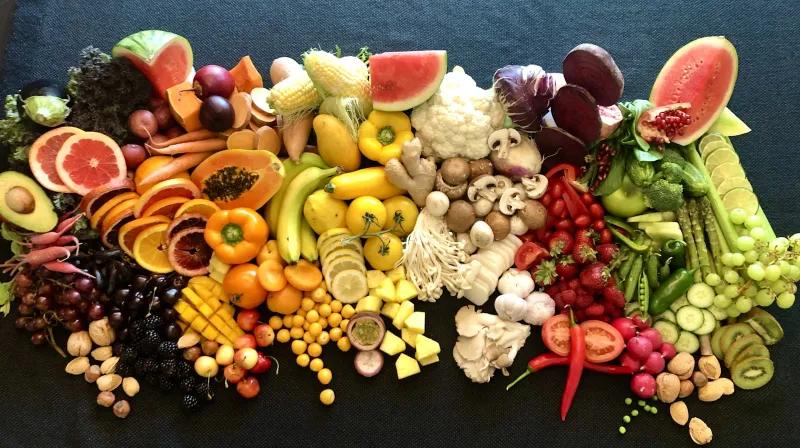
Natural Food Sources of Synephrine
Synephrine is a naturally occurring alkaloid found primarily in citrus plants, with the highest concentrations in the peel and juice of Citrus aurantium — commonly known as bitter orange or Seville orange. It belongs to the same family of compounds as ephedrine and acts on adrenergic receptors, properties that have made it of interest in weight management research following the withdrawal of ephedra-based products from markets.
For those interested in synephrine food sources, the practical answer is clear: bitter orange is the dominant natural source, and meaningful dietary intake outside of deliberate consumption of that specific fruit is minimal.
Top Food Sources of Synephrine
Bitter Orange (Citrus aurantium)
The peel of bitter orange contains the highest known concentration of p-synephrine among synephrine food sources. Bitter orange juice also contains the compound, though at lower concentrations than the peel. Bitter orange itself is not commonly eaten fresh due to its intensely bitter and sour taste. It is used primarily in marmalades, liqueurs (such as Cointreau and Grand Marnier), and as a flavouring in cooking.
In supplement contexts, bitter orange peel extract is the primary source of standardised synephrine. The botanical name Citrus aurantium or the common name "bitter orange" on a label indicates this source.
Sweet Oranges and Mandarin Oranges
Sweet oranges (Citrus sinensis) and mandarin oranges contain synephrine at substantially lower concentrations than bitter orange. Regular sweet orange juice and fresh mandarins are genuine synephrine food sources, but the amount per serving is small compared to bitter orange preparations.
Research has confirmed the presence of synephrine in common citrus fruits including sweet oranges and clementines, with concentrations considerably lower than those found in bitter orange (Stohs et al., 2011).
Grapefruit
Grapefruit (Citrus paradisi) contains small amounts of synephrine. Grapefruit is also notable for containing furanocoumarins that inhibit the CYP3A4 enzyme, affecting the metabolism of many medications. People taking prescription drugs should consult a health professional before regularly consuming large amounts of grapefruit.
Other Citrus Species
Various other citrus species and their hybrids contain trace amounts of synephrine. However, none approach the concentrations found in bitter orange.
Bioavailability from Food vs Supplement
Synephrine is absorbed orally and reaches peak plasma concentrations within approximately one to two hours after ingestion. Research on the pharmacokinetics of synephrine has shown that it is metabolised relatively rapidly (Stohs et al., 2011). The presence of other compounds in citrus fruit — particularly flavonoids such as naringenin and hesperidin — may modulate synephrine's absorption and activity in whole-fruit consumption compared to isolated synephrine in supplement form.
Standardised bitter orange extracts in supplements specify synephrine content, typically as a percentage. This allows consistent dosing, which is particularly important because synephrine has dose-dependent effects on metabolic rate and cardiovascular parameters. Without standardisation, the synephrine content of foods or unextracted herbal preparations is highly variable.
Daily Targets from Diet
There is no established dietary reference intake for synephrine as it is classified as a pharmacologically active alkaloid. Like yohimbine and caffeine, it is subject to regulatory scrutiny at certain dose levels. European regulatory discussions have evaluated synephrine-containing products, noting effects at specific intake levels.
For those consuming citrus regularly in the form of sweet oranges, mandarins, or grapefruit, the synephrine contribution from diet is likely small and nutritionally inconsequential. Significant dietary synephrine intake would require frequent consumption of large amounts of bitter orange peel — something that does not naturally form part of typical Estonian or European diets.
Cooking and Storage Effects
Synephrine is present in both the peel and juice of bitter orange. Key points:
- Heating: Synephrine is relatively stable under typical food processing conditions. It survives pasteurisation of juice and moderate heating during marmalade production.
- Drying: Dried bitter orange peel, used in cooking and herbal preparations, retains synephrine. Dried peel is sometimes used in traditional Chinese medicine under the name "zhi shi" or "zhi ke".
- Storage: Synephrine is stable in dried or prepared forms at room temperature in an airtight container, away from moisture and light.
- Juice processing: Commercially produced bitter orange juice or concentrate may have variable synephrine content depending on processing conditions.
When Food Sources Are Not Enough
For most people, regular citrus consumption provides negligible synephrine from a functional standpoint. Bitter orange in its whole fruit form is not widely available in Estonian grocery stores, and its unpleasant taste makes regular consumption impractical. The main reasons why supplements provide a more practical delivery:
- Dose consistency. Supplement labels specify synephrine content per dose; whole foods do not.
- Accessibility. Bitter orange is not commonly available fresh in Estonia; standard sweet oranges provide far less synephrine.
- Practical intake. Achieving doses studied in research from dietary bitter orange consumption would require amounts that are impractical to eat.
Fat-burning and pre-workout products at maxfit.ee may contain bitter orange extract as a component. Always read labels to understand active ingredient content.
FAQ
Is synephrine the same as ephedrine?
No. Synephrine and ephedrine are structurally related adrenergic alkaloids but are not the same compound. Synephrine is found in citrus plants and is the active compound in bitter orange supplements. Ephedrine is derived from Ephedra species and is a controlled substance in many countries. Synephrine has milder adrenergic effects than ephedrine.
Can eating oranges provide a meaningful amount of synephrine?
Common sweet oranges and mandarins contain synephrine but at low concentrations. The synephrine available from eating one or two fresh oranges is substantially lower than the amounts used in research on synephrine's metabolic effects. Bitter orange peel is the only food providing practically relevant synephrine concentrations in normal serving sizes.
Are there any food-drug interactions involving synephrine from citrus?
Synephrine itself does not carry the same CYP3A4 inhibition risk as furanocoumarins in grapefruit. However, bitter orange products combining synephrine with other stimulants (caffeine, yohimbine) carry additive cardiovascular risks. People taking cardiovascular medications, antidepressants, or stimulant medications should not use concentrated synephrine products without medical advice.
References
Stohs, S. J., Preuss, H. G., & Shara, M. (2011). A review of the human clinical studies involving Citrus aurantium (bitter orange) extract and its primary protoalkaloid p-synephrine. International Journal of Medical Sciences, 8(8), 695-711. https://pubmed.ncbi.nlm.nih.gov/21537493/
Kaats, G. R., Miller, H., Preuss, H. G., & Stohs, S. J. (2013). A 60-day double-blind, placebo-controlled safety study involving Citrus aurantium (bitter orange) extract. Food and Chemical Toxicology, 55, 358-362. https://pubmed.ncbi.nlm.nih.gov/23354394/



