
Sports Drinks for Sleep and Stress: What the Evidence Shows
The phrase "sports drinks for sleep and stress" covers a surprisingly wide product landscape — from electrolyte-based recovery drinks to supplement capsules containing magnesium, ashwagandha, L-theanine, or melatonin. This article reviews the science behind the main active ingredients, what the RCT evidence actually supports, and how to match a product to a genuine need.
Mechanism for Sleep and Stress
Exercise is a physiological stressor. Intense or prolonged training elevates cortisol, depletes magnesium, disrupts circadian rhythms, and generates inflammatory cytokines that affect sleep architecture. Recovery-focused sports drinks address these mechanisms through several pathways:
- Magnesium: plays a central role in GABA receptor function — the main inhibitory neurotransmitter system that promotes relaxation and sleep. Magnesium depletion from sweat during exercise is well documented, and insufficient intake is linked with poorer sleep quality.
- L-theanine: an amino acid from green tea that promotes alpha-wave brain activity — associated with calm alertness — and may reduce subjective stress without sedation.
- GABA (gamma-aminobutyric acid): the primary inhibitory neurotransmitter; oral GABA supplementation has shown modest effects on relaxation though blood-brain barrier penetration of exogenous GABA is debated.
- Electrolytes (sodium, potassium, magnesium): rehydration after exercise is essential for restoring normal cortisol clearance and supporting sleep onset; dehydration itself degrades sleep quality.
- Melatonin: the hormone that regulates circadian timing; supplementation is well established for jet lag and shift work but has a narrower evidence base for general stress.
RCT Evidence
For magnesium and sleep quality, a randomised, double-blind trial in older adults with insomnia found that magnesium supplementation significantly improved objective and subjective sleep quality measures compared with placebo (Abbasi et al., 2012). The sample was specifically adults with low dietary magnesium, suggesting the benefit is strongest in those with insufficient intake.
For L-theanine and stress, a 2019 RCT in healthy adults under occupational stress found that daily L-theanine supplementation reduced stress-related symptoms including sleep disturbance, depression subscale scores, and anxiety after four weeks compared with placebo (Hidese et al., 2019). The dose used was 200 mg/day.
For electrolyte replacement and recovery, there is strong consensus evidence that rehydration with electrolytes after exercise restores neuromuscular function and reduces the cortisol-related markers that impair sleep. Practical electrolyte drinks that accomplish this include standard isotonic formulations.
Effective Dose and Timing
For sleep and stress support:
- Magnesium: studies use doses in the 300–500 mg range of elemental magnesium. Glycinate and malate forms are better tolerated and absorbed than oxide.
- L-theanine: the primary studied dose is 200 mg, taken one hour before sleep or during high-stress periods.
- Electrolyte drinks post-exercise: taken immediately post-workout through the two-hour recovery window.
- Melatonin for sleep timing: low doses (0.5–1 mg) taken 30–60 minutes before target sleep time; higher doses do not improve sleep quality but may cause morning grogginess.
Who Benefits
- Athletes training in the evening (after 18:00) who experience disrupted sleep — cortisol and core temperature elevation from late workouts can delay sleep onset by up to two hours
- High-volume endurance athletes who accumulate magnesium deficit through heavy sweat losses
- People under occupational or lifestyle stress alongside training — combined stressors multiply sleep disruption
- Those with chronically poor sleep quality where other causes have been ruled out
Recovery drinks alone cannot overcome poor sleep hygiene, irregular schedules, high caffeine intake, or significant anxiety disorders.
Relevant Products
For electrolyte replacement and recovery, products such as Vitamin Well Recover 500ml + pant A and Vitamin Well Active 500ml + pant A in the spordijoogid category provide vitamin and electrolyte bases without excess caffeine that could disrupt sleep.
For dedicated sleep and stress support, the uni-ja-loogastus category at maxfit.ee includes 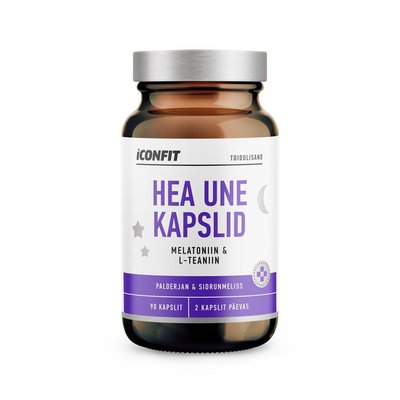 ICONFIT Capsules Good Sleep N90€12.90 In stock (L-theanine + melatonin combination),
 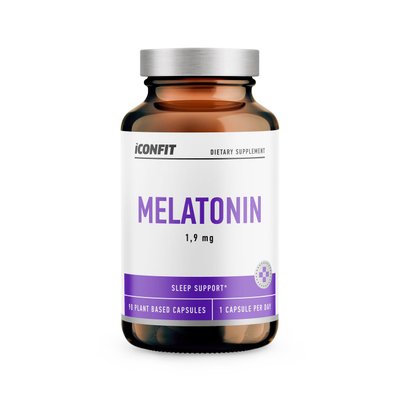 ICONFIT Capsules Melatonin N90€7.90 In stock, and NOW GABA 500mg 100 veg. caps.. For magnesium specifically, forms such as those in the magnesium category offer glycinate and malate options. These are all available at maxfit.ee.
Honest Verdict
Sports drinks designed for sleep and stress occupy a legitimate space — the physiological mechanisms are coherent and the RCT evidence for specific ingredients is genuine. However, the category is also marketing-heavy: the name "recovery drink" or "sleep drink" on a label does not guarantee a clinical dose of the active ingredient. The key is to check whether the active ingredient (magnesium, L-theanine, melatonin) is dosed at the level studied in trials, not just listed for label appeal. A well-targeted supplement to a genuine gap (evening training + low magnesium) can meaningfully improve sleep. A randomly selected "stress drink" with trace amounts of adaptogens may do little.
FAQ
Do sports drinks affect sleep quality?
It depends on the drink. Caffeinated sports drinks taken in the late afternoon or evening will impair sleep in most people — caffeine has a half-life of around 5–6 hours. Recovery-focused drinks with electrolytes, magnesium, or L-theanine and no caffeine can actively support sleep quality.
Can magnesium supplements help athletes sleep better?
The evidence is strongest for individuals with low magnesium status, which is common in athletes due to sweat losses. Magnesium supplementation in those groups shows consistent improvements in sleep quality measures. In adequately replete individuals, the effect is smaller and less consistent.
Is melatonin safe for regular use?
Melatonin at typical supplemental doses (0.5–5 mg) is well tolerated in short-term and medium-term use. Long-term habitual use for general stress (rather than shift work or jet lag) has limited high-quality evidence, and the habit of relying on melatonin for non-circadian sleep issues is best discussed with a healthcare provider.
References
Abbasi, B., Kimiagar, M., Sadeghniiat, K., Shirazi, M. M., Hedayati, M., & Rashidkhani, B. (2012). The effect of magnesium supplementation on primary insomnia in elderly: A double-blind placebo-controlled clinical trial. Journal of Research in Medical Sciences, 17(12), 1161-1169. https://pubmed.ncbi.nlm.nih.gov/23853635/
Hidese, S., Ogawa, S., Ota, M., Ishida, I., Yasukawa, Z., Ozeki, M., & Kunugi, H. (2019). Effects of L-theanine administration on stress-related symptoms and cognitive functions in healthy adults: A randomized controlled trial. Nutrients, 11(10), 2362. https://pubmed.ncbi.nlm.nih.gov/31623400/
Mah, C. D., Mah, K. E., Kezirian, E. J., & Dement, W. C. (2011). The effects of sleep extension on the athletic performance of collegiate basketball players. Sleep, 34(7), 943-950. https://pubmed.ncbi.nlm.nih.gov/21731144/



