Spirulina Side Effects and Safety: What You Need to Know
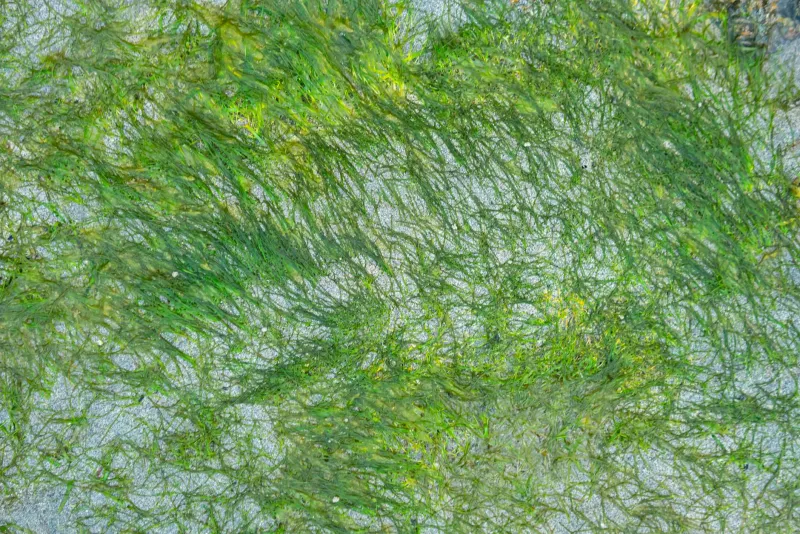
Spirulina is a blue-green microalgae (Arthrospira platensis) that has gained enormous popularity as a dietary supplement and functional food. It is rich in protein, B vitamins, iron, and various antioxidant pigments. But like any concentrated botanical product, spirulina carries its own safety considerations that every user should understand.
Common and Rare Side Effects
For most healthy adults, spirulina at typical supplement doses is well tolerated. The most common side effects, when they occur, are mild and gastrointestinal in nature:
- Nausea, bloating, or digestive discomfort — typically dose-dependent and more likely when starting with high doses
- Green-tinged stools — normal, caused by the high chlorophyll content
- Headache or mild fatigue in the first few days of use — often attributed to a detoxification effect, though this mechanism is not well established
Allergic reactions are rare but have been documented: skin rashes, hives, and in very rare cases, anaphylaxis have been reported in individuals with known algae allergies. Those allergic to seafood or iodine-rich foods should start with very small test doses.
Spirulina is also a phenylalanine source, which is relevant for people with phenylketonuria (PKU).
Upper Safe Limits
There is no formally established tolerable upper intake level for spirulina from a major regulatory body. Clinical studies assessing spirulina safety in adults have typically used doses ranging from 1 to 8 g per day for periods of several weeks to months without serious adverse events. Deng and Chow (2010) reviewed spirulina's safety and nutritional value and concluded it was generally regarded as safe at these doses (Deng & Chow, 2010).
High doses may theoretically increase phenylalanine, homocysteine precursors, or purine load (relevant for gout-prone individuals), but adverse outcomes at common supplement doses are not documented in healthy populations.
Drug and Nutrient Interactions
- Anticoagulants (warfarin): Spirulina contains vitamin K, which can theoretically reduce warfarin efficacy. Monitoring INR more closely if adding spirulina alongside warfarin is advisable.
- Immunosuppressants: Spirulina may stimulate the immune system, which could theoretically interact with drugs designed to suppress immune function (e.g., in autoimmune conditions or post-transplant). This remains a theoretical concern rather than a documented clinical interaction.
- Iron supplements: Spirulina is a reasonable dietary iron source, though the bioavailability of non-haem iron from algae is lower than haem iron; co-supplementing with iron deserves monitoring to avoid excess.
- Antidiabetic drugs: Some studies suggest spirulina may modestly lower blood glucose (Parikh et al., 2001); combining it with glucose-lowering medications could amplify effects.
Who Should Be Cautious or Avoid Spirulina
- People with phenylketonuria (PKU): Spirulina is a source of phenylalanine and is contraindicated.
- Those with autoimmune conditions: The immunostimulatory properties of spirulina are a theoretical concern in conditions like lupus, rheumatoid arthritis, or multiple sclerosis.
- Pregnant and breastfeeding women: Safety data in these groups are insufficient; it is prudent to avoid until more data are available.
- Those taking anticoagulants: Monitor closely due to vitamin K content.
- People with gout: High purine content may theoretically raise uric acid levels.
Quality and Contamination Concerns
This is perhaps the most important safety consideration for spirulina. Microalgae are grown in open ponds or tanks and can be contaminated with:
- Microcystins (hepatotoxic cyanobacterial toxins): If the spirulina culture is contaminated with other cyanobacteria, such as Microcystis, the product may contain liver-damaging toxins. This is the primary safety hazard unique to spirulina.
- Heavy metals (lead, arsenic, cadmium): Algae bioaccumulate metals from water; growing water quality is critical.
- Pesticides and herbicides: From agricultural runoff into open ponds.
Always choose spirulina from manufacturers who provide certificates of analysis for heavy metals and microcystins from an accredited third-party laboratory. Certified organic does not automatically guarantee absence of microcystins.
At maxfit.ee you will find OstroVit Spiruline 250g, OstroVit Spiruline 90tabs, 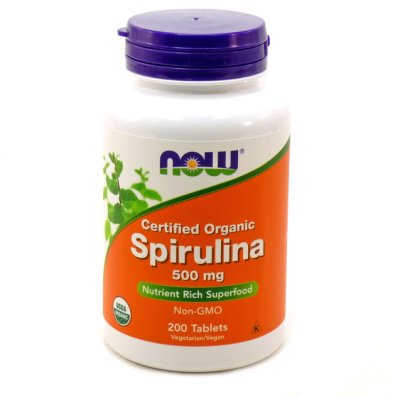 NOW Organic Spirulina€15.90 In stock 500mg 200tabs, NOW Organic Spirulina 500mg 100tabs, MST Spirulina 90tabs, and
 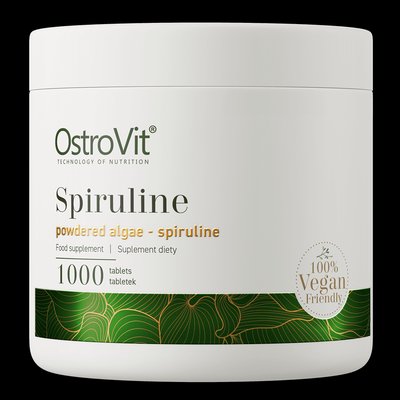 OstroVit Spiruline VEGE€8.90 In stock 1000tabs — browse the spirulina category for the full range.
FAQ
Is spirulina safe every day?
For healthy adults without the contraindications listed above, daily spirulina use at typical supplement doses appears safe based on available evidence (Deng & Chow, 2010). The key practical variable is product quality — microcystin contamination is a real risk with low-quality sources.
Can spirulina cause liver damage?
High-quality, uncontaminated spirulina does not appear to damage the liver in healthy people. However, spirulina products contaminated with hepatotoxic cyanobacteria (specifically microcystins) can cause liver injury. This is not a property of spirulina itself but of contamination — which underscores the importance of quality sourcing.
Does spirulina provide complete protein?
Spirulina contains all essential amino acids and is often described as a complete protein. However, bioavailability of spirulina protein varies, and the practical protein contribution from typical supplement doses (1–3 g per day) is modest compared to dedicated protein sources. It is best valued for its micronutrient and antioxidant content rather than as a primary protein supplement.
References
Deng, R., & Chow, T. J. (2010). Hypolipidemic, antioxidant, and antiinflammatory activities of microalgae Spirulina. Cardiovascular Therapeutics, 28(4), e33-e45. https://pubmed.ncbi.nlm.nih.gov/20633020/
Parikh, P., Mani, U., & Iyer, U. (2001). Role of Spirulina in the control of glycemia and lipidemia in type 2 diabetes mellitus. Journal of Medicinal Food, 4(4), 193-199. https://pubmed.ncbi.nlm.nih.gov/12639401/
Karkos, P. D., Leong, S. C., Karkos, C. D., Sivaji, N., & Assimakopoulos, D. A. (2011). Spirulina in clinical practice: evidence-based human applications. Evidence-Based Complementary and Alternative Medicine, 2011, 531053. https://pubmed.ncbi.nlm.nih.gov/18955364/



