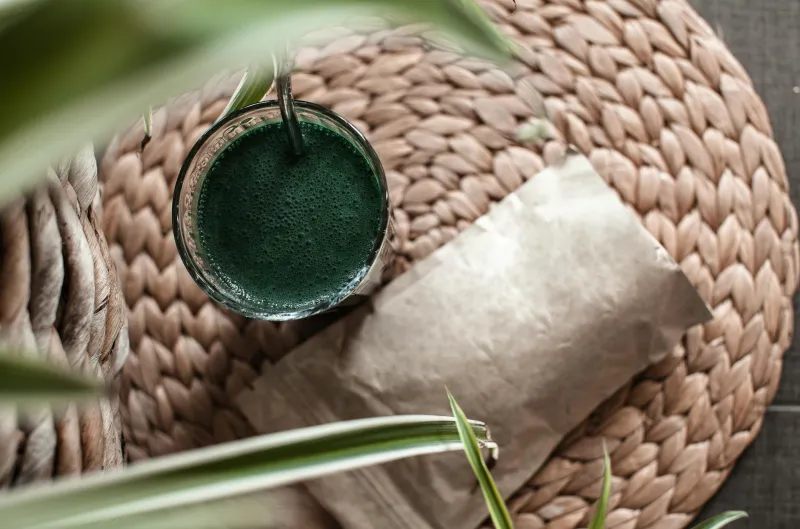
Spirulina: Latest Research and Evidence Update
Spirulina is a blue-green microalgae that has been consumed as a food source for centuries. In the supplement world it has gained recognition as a dense source of plant-based protein, vitamins, minerals, and pigment compounds, particularly phycocyanin. Over the past decade, clinical research has expanded significantly, making spirulina one of the more well-studied algae-based supplements. Here is an honest look at where the science currently stands.
What Recent Trials Show
Antioxidant and Anti-Inflammatory Effects
Spirulina's phycocyanin content is central to most of its studied benefits. Phycocyanin is a potent scavenger of reactive oxygen species, and several controlled trials have found that spirulina supplementation reduces markers of oxidative stress. A randomised controlled trial in healthy adults found that daily spirulina supplementation significantly reduced malondialdehyde (a marker of lipid peroxidation) and increased activity of antioxidant enzymes compared to placebo (Mao et al., 2005).
Athletic Performance and Muscle Fatigue
A growing number of trials have looked at spirulina and exercise. One double-blind crossover study found that spirulina supplementation was associated with increased time to exhaustion during a running test and a reduction in markers of exercise-induced oxidative damage (Kalafati et al., 2010). The researchers observed significant improvements in fat oxidation during exercise and a lower lactate accumulation compared to placebo. These findings are promising but need replication in larger cohorts before strong claims can be made.
Lipid Profiles
Several trials have examined spirulina's effects on cholesterol and triglyceride levels. A meta-analysis of controlled trials found that spirulina supplementation produced meaningful reductions in total cholesterol, LDL cholesterol, and triglycerides, and an increase in HDL cholesterol compared to control conditions (Serban et al., 2016). These effects appear most pronounced in populations with elevated baseline lipid levels.
Shifts in Consensus
Early spirulina marketing focused heavily on its protein content and loosely defined "superfood" benefits. The current scientific picture is more specific. The protein in spirulina is real and reasonably complete in terms of amino acid profile, though the amounts typically delivered by supplement doses are modest compared to a protein shake. The most credible and consistent benefits are in the antioxidant and anti-inflammatory space, not as a standalone protein source.
There has also been a shift away from vague immune-boosting claims toward more precisely characterised effects on specific immune markers. Some trials show spirulina may support immunoglobulin levels and natural killer cell activity, but the clinical significance in healthy adults remains under study.
Still-Open Questions
- Dose-response: The doses used across trials vary considerably, from 1 to 8 grams per day. The optimal dose for specific outcomes has not been established.
- Duration: Most trials are short (four to twelve weeks). Long-term effects and safety in continuous use beyond one year are not well-characterised.
- Contaminant risk: Algae can bioaccumulate heavy metals from their growth environment. Product purity and sourcing standards matter considerably. Choosing third-party tested products from reputable brands is important.
- Bioavailability: How well specific bioactive compounds like phycocyanin are absorbed and reach target tissues is still being refined.
What It Means Practically
Spirulina is a credible, well-tolerated supplement with a genuine scientific basis for antioxidant support and potential benefits in lipid management and exercise recovery. It is vegan, widely available, and pairs well with a plant-forward diet.
For daily use, the most practical approach is:
- Start with a dose that suits your preferences (powder blends into smoothies, capsules offer convenience)
- Use consistently for at least four to six weeks before evaluating effects
- Prioritise products from brands with quality controls and third-party testing
At maxfit.ee you can find spirulina in the /et/category/spirulina category. Available options include OstroVit Spiruline 250g, OstroVit Spiruline 90tabs, 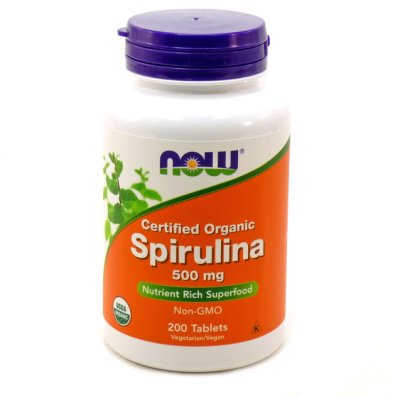 NOW Organic Spirulina€15.90 In stock 500mg 200tabs, NOW Organic Spirulina 500mg 100tabs, and MST Spirulina 90tabs — a range covering both powder and capsule formats.
Bottom Line
Spirulina has earned its reputation as one of the better-evidenced microalgae supplements. The most consistent findings support antioxidant protection, modest lipid improvements, and potential exercise-recovery benefits. It is not a miracle supplement, but it is one of the few plant-based supplements where the clinical evidence is reasonably strong and the safety profile is well-established at typical doses.
FAQ
Is spirulina a complete protein?
Spirulina contains all essential amino acids, making it technically a complete protein source. However, the amounts per typical supplement serving are much smaller than a protein shake and should not be relied upon as a primary protein source.
Can spirulina help with iron levels in vegans?
Spirulina contains iron, but the bioavailability of non-heme iron from plant sources is lower than heme iron from animal products. Consuming spirulina with vitamin C may improve absorption. It is a supplementary source, not a guaranteed fix for iron deficiency.
Are there any safety concerns with spirulina?
Spirulina from reputable, tested sources is considered safe for most adults. The main concerns are product contamination with heavy metals or microcystins (toxins from related algae), which underscores the importance of choosing well-sourced, quality-tested products.
References
Mao, T. K., Van de Water, J., & Gershwin, M. E. (2005). Effects of a Spirulina-based dietary supplement on cytokine production from allergenic/lectin-stimulated peripheral blood mononuclear cells. Journal of Medicinal Food, 8(1), 27-30. https://pubmed.ncbi.nlm.nih.gov/15857205/
Kalafati, M., Jamurtas, A. Z., Nikolaidis, M. G., Paschalis, V., Theodorou, A. A., Sakellariou, G. K., Koutedakis, Y., & Kouretas, D. (2010). Ergogenic and antioxidant effects of spirulina supplementation in humans. Medicine & Science in Sports & Exercise, 42(1), 142-151. https://pubmed.ncbi.nlm.nih.gov/20010119/
Serban, M. C., Sahebkar, A., Dragan, S., Stoichescu-Hogea, G., Ursoniu, S., Andrica, F., & Banach, M. (2016). A systematic review and meta-analysis of the impact of Spirulina supplementation on plasma lipid concentrations. Clinical Nutrition, 35(4), 842-851. https://pubmed.ncbi.nlm.nih.gov/26433766/



