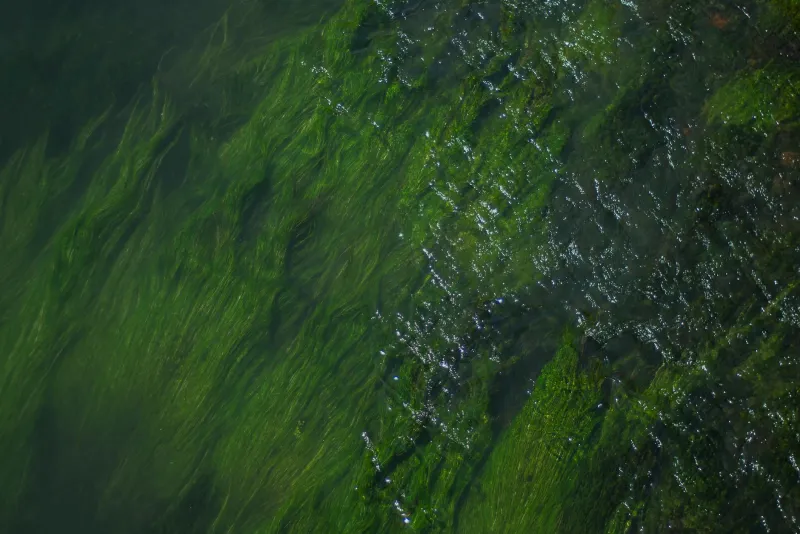
What Is Spirulina?
Spirulinat is a blue-green cyanobacterium (a microorganism resembling blue-green algae), cultivated and sold as a dietary supplement. It is nutrient-dense: containing protein, iron, B12 analogues, carotenoids, and antioxidants. This nutritional richness is the basis of many of the myths surrounding it.
Myth 1: Spirulina Is a Complete Protein Source
Spirulinat is known for its high protein content — on a dry-weight basis it contains substantial protein. However, typical doses consumed are usually 3–10 g per day, delivering a relatively small amount of protein compared to whey protein or whole food sources. Spirulina should not be considered a primary protein source.
Myth 2: Spirulina Is a Source of B12
Spirulinat contains B12 analogues (pseudovitamins), but these are not biologically active in the human body in the same way as true B12. Research has shown that spirulina B12 does not effectively raise blood B12 levels (Watanabe et al., 1999). Vegans should not rely on spirulina as a B12 source.
Myth 3: Spirulina Cures Everything
Spirulinat has been associated with at least ten different health benefits, including allergy relief, blood pressure reduction, and immune support. Studies are promising but mostly small and clinically limited. One randomised trial found that spirulina reduced allergic rhinitis symptoms compared to placebo (Cingi et al., 2008). That is a genuine finding, but it does not make spirulina a cure-all.
What the Evidence Actually Shows
Stronger evidence for spirulina covers:
- Antioxidant properties (reduction of oxidative stress)
- Allergic rhinitis symptom relief
- Modest effects on blood lipids (in some studies)
OstroVit Spiruline 250g, 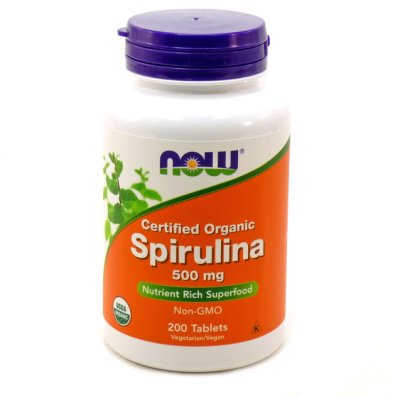 NOW Organic Spirulina€15.90 In stock 500mg 200tabs, and MST Spirulina 90tabs are spirulina products available at maxfit.ee. The spirulina range is in the spirulina category.
Food Safety and Limitations
Spirulinat is generally safe to consume. One consideration is where spirulina is grown — spirulina cultivated in contaminated water bodies may contain toxic cyanobacterial toxins. Buy only from certified producers.
Some B12 analogues in spirulina may compete with true B12 for absorption, so vegans should use a separate B12 supplement.
Marketing Claims vs Reality
Spirulinat is often marketed as the most nutritious food in the world. Gram for gram it is indeed nutrient-dense, but at typical doses it does not cover a significant portion of daily nutritional needs.
Bottom Line
Spirulinat is a decent addition to a varied supplement regimen. Some evidence exists for antioxidant, allergy, and lipid support. Presenting it as a superfood in every context is an exaggeration — spirulina does not replace a balanced diet.
References
Cingi, C., Conk-Dalay, M., Cakli, H., & Bal, C. (2008). The effects of spirulina on allergic rhinitis. European Archives of Oto-Rhino-Laryngology, 265(10), 1219–1223. https://pubmed.ncbi.nlm.nih.gov/18343939/
Watanabe, F., Takenaka, S., Kittaka-Katsura, H., Ebara, S., & Miyamoto, E. (1999). Characterization and bioavailability of vitamin B12-compounds from edible algae. Journal of Nutritional Science and Vitaminology, 48(5), 325–331. https://doi.org/10.3177/jnsv.48.325
Karkos, P. D., Leong, S. C., Karkos, C. D., Sivaji, N., & Assimakopoulos, D. A. (2011). Spirulina in clinical practice: evidence-based human applications. Evidence-Based Complementary and Alternative Medicine, 2011, 531053. https://pubmed.ncbi.nlm.nih.gov/18955364/
FAQ
Is spirulina a good B12 source for vegans?
No. Spirulina contains B12 analogues that are not absorbed as effectively as true B12 in the human body. Vegans must use a separate B12 supplement.
How much spirulina should I take per day?
Doses used in research vary, but typically 1–8 g per day. Always follow the dosage instructions on your specific product.
Is it safe to take spirulina every day?
Spirulinat from certified producers is generally considered safe for daily use. Avoid spirulina harvested from unknown water bodies, which may contain toxic cyanotoxins.



