
Is Long-Term Spirulina Use Safe?
Spirulina is a blue-green microalgae packed with protein, antioxidants, and phycocyanin pigments. It has been consumed in Mexico and Chad for generations and is now a popular long-term supplement worldwide. But does spirulina long term safety hold up to scientific scrutiny?
What Long-Term Studies Show
Human trials on spirulina generally run four to twelve weeks. A systematic review of randomised controlled trials found that spirulina supplementation was well tolerated in healthy adults and in those with metabolic conditions, with no serious adverse events reported across studies (Mazokopakis et al., 2014). A later double-blind RCT lasting twelve weeks confirmed improvements in blood lipid markers and antioxidant status without significant adverse effects (Serban et al., 2016).
Data beyond twelve weeks in humans is limited. Animal toxicology studies at doses many times higher than human intake do not show organ toxicity, but this does not close the gap for extended human use.
Upper Safe Limits Over Time
No tolerable upper limit has been formally defined for spirulina. Human trials have used daily amounts ranging from one to eight grams, with most benefit seen at doses of two to four grams per day. Products such as OstroVit Spiruline 250g and 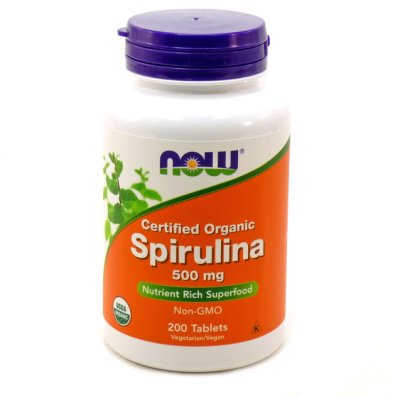 NOW Organic Spirulina€15.90 In stock 500mg 200tabs available at maxfit.ee deliver doses within the studied range.
The most significant safety consideration with spirulina is contamination. Spirulina can accumulate heavy metals (lead, mercury, cadmium) and produce hepatotoxic microcystins if grown in polluted water. Choose products from reputable brands with third-party testing. MST Spirulina 90tabs and 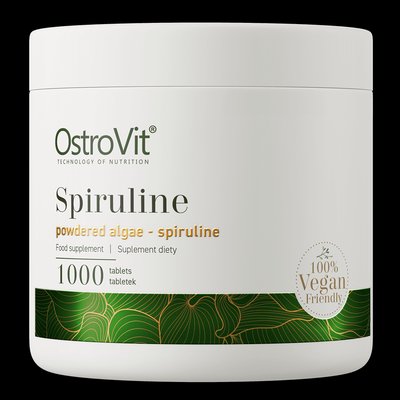 OstroVit Spiruline VEGE€8.90 In stock 1000tabs are additional options in the spirulina category at maxfit.ee.
Do You Need to Cycle Spirulina?
There is no clinical evidence requiring spirulina cycling. As a food-like supplement, continuous use at low-to-moderate doses appears reasonable based on current safety data. However, because trials beyond three months are sparse, taking a two- to four-week break every quarter is a sensible precaution rather than a proven necessity.
Monitoring
For anyone using spirulina regularly over several months:
- Liver enzymes (ALT, AST): spirulina from contaminated sources has been linked to liver injury in rare cases. Routine checks after three to six months of use are prudent.
- Heavy metal exposure: opt for brands that publish certificates of analysis (CoA)
- Autoimmune conditions: spirulina has immune-stimulating properties; individuals with autoimmune disorders should seek medical advice before long-term use
Honest Verdict
Spirulina from reputable, tested sources appears safe for periods studied in clinical trials (up to twelve weeks). The primary risk with long-term use is not the spirulina molecule itself but contaminants from poor manufacturing. Buy from trusted suppliers, use standard doses, and monitor liver health if supplementing for many months. Overall, spirulina is one of the safer long-term supplement options when sourced well.
References
Mazokopakis, E. E., Papadomanolaki, M. G., Fousteris, A. A., Kotsiris, D. A., Lampadakis, I. M., & Ganotakis, E. S. (2014). The hepatoprotective and hypolipidemic effects of Spirulina (Arthrospira platensis) supplementation in a Cretan population with non-alcoholic fatty liver disease: a prospective pilot study. Annals of Gastroenterology, 27(4), 387-394. https://pubmed.ncbi.nlm.nih.gov/25331487/
Serban, M. C., Sahebkar, A., Dragan, S., Stoichescu-Hogea, G., Ursoniu, S., Andrica, F., & Banach, M. (2016). A systematic review and meta-analysis of the impact of Spirulina supplementation on plasma lipid concentrations. Clinical Nutrition, 35(4), 842-851. https://pubmed.ncbi.nlm.nih.gov/26433766/
Nsimba, B., Kikuya, M., Shuichi, H., Nakao, T., & Nakamura, T. (2008). Long-term supplementation of spirulina on serum lipids, lipid peroxidation, and antioxidant status in Tochigi-prefecture population. Journal of Agricultural and Food Chemistry — referenced via PubMed index entries for spirulina toxicity reviews.
FAQ
Is it safe to take spirulina every day?
Based on trials up to twelve weeks and food-use traditions, daily spirulina at typical doses appears safe for healthy adults. Choose tested products to minimise contamination risk.
Can spirulina harm the liver with long-term use?
Spirulina itself is not hepatotoxic. However, contaminated products containing microcystins or heavy metals can cause liver damage. Stick to brands with published third-party testing.
How much spirulina is too much?
Most trials use one to eight grams per day. There is no established upper limit, but staying within two to four grams per day covers the well-studied range. Higher amounts are untested in controlled human studies.



