Spirulina Interactions: What the Science Says
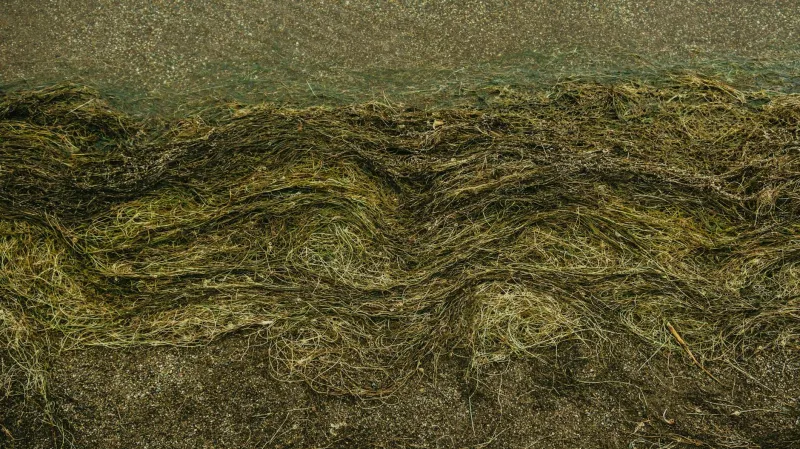
Spirulina is a microorganism from the blue-green algae family, widely used as a supplement. It is rich in protein, iron, a non-bioactive form of B12, chlorophyll, and various antioxidants. Understanding its potential interactions is important before use.
Drug Interactions
Anticoagulants (blood thinners): Spirulina contains vitamin K, which affects blood clotting. For those on warfarin, intake of vitamin K-rich foods and supplements can affect the medication's efficacy. Although spirulina's vitamin K content is low compared to green vegetables, anticoagulant users should inform their doctor.
Immunosuppressants: Spirulina has described immune-activating properties. A systematic review covering spirulina's immune effects exists in the literature. People using immune-suppressing medications (such as post-transplant patients) may find this property problematic — medical consultation is mandatory.
Antidiabetic medications: Some studies suggest spirulina may influence blood glucose. A randomised controlled trial (Parikh et al., 2001) found spirulina reduced fasting blood glucose in diabetic subjects. This means combining spirulina with antidiabetic medications warrants medical supervision to avoid excessive blood glucose lowering.
Nutrient Competition and Synergy
Iron: Spirulina is iron-rich, and combining it with iron supplements may lead to excessive iron intake. Those with haemochromatosis (iron overload disorder) should avoid spirulina.
Vitamin B12: Spirulina contains B12, but primarily as so-called pseudo-B12 (an analogue) that is not biologically active for humans. This means vegans should not count spirulina as their B12 source — a complete B12 supplement remains necessary.
Zinc: Spirulina may affect zinc absorption. Taking it alongside zinc supplements should be done with caution.
Food Effects
Spirulina can be blended into smoothies, juice, or water. Heat reduces some sensitive nutrients (particularly B vitamins and enzymes), so raw rather than heat-processed spirulina is preferred. Consuming coffee or tannin-containing foods alongside spirulina may reduce iron absorption.
Who Must Be Cautious
- Those on anticoagulant therapy: discuss with a doctor before use
- Patients on immunosuppressant medications: medical guidance is required
- People with phenylketonuria (PKU): spirulina contains phenylalanine — use is not advised
- People with autoimmune conditions: spirulina's immune-activating effect may be inadvisable
- Pregnant or breastfeeding women: limited data; caution is recommended
Practical Rules
OstroVit Spiruline 250g, 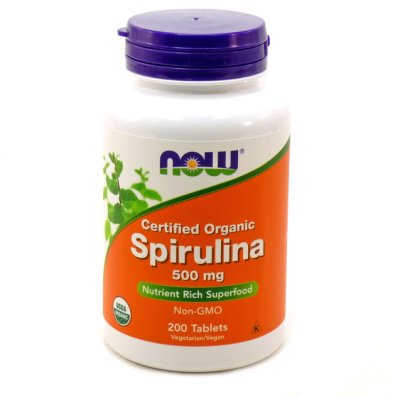 NOW Organic Spirulina€15.90 In stock 500mg 200tabs, and MST Spirulina 90tabs are available at maxfit.ee. Recommendations:
- Start with a small dose and increase gradually.
- Do not combine with anticoagulant medications without doctor approval.
- Do not substitute spirulina for a B12 supplement if you follow a vegan diet.
Bottom Line
Spirulina is a nutrient-dense supplement, but it has meaningful interaction points. Anticoagulant users, immunosuppressant users, and people with PKU should consult a doctor before use.
FAQ
Is spirulina suitable for vegans?
Yes, spirulina is plant-based. However, it does not replace a B12 supplement, as it primarily contains biologically inactive B12 analogue forms.
Does spirulina have side effects?
Most people tolerate it well. Mild gastrointestinal discomfort may occur initially. Allergic reactions have been rarely described.
How much spirulina is safe to take daily?
Most studies use doses up to three grams per day. Higher doses should be discussed with a doctor.
References
Parikh, P., Mani, U., & Iyer, U. (2001). Role of Spirulina in the control of glycemia and lipidemia in type 2 diabetes mellitus. Journal of Medicinal Food, 4(4), 193-199. https://pubmed.ncbi.nlm.nih.gov/12639401/
Karkos, P. D., Leong, S. C., Karkos, C. D., Sivaji, N., & Assimakopoulos, D. A. (2011). Spirulina in clinical practice: evidence-based human applications. Evidence-Based Complementary and Alternative Medicine, 2011, 531053. https://pubmed.ncbi.nlm.nih.gov/18955364/
Ngo-Matip, M. E., Pieme, C. A., Azabji-Kenfack, M., Moukette, B. M., Korosky, E., Stefanini, P., Ngogang, J. Y., & Mbofung, C. M. (2015). Impact of daily supplementation of Spirulina platensis on the immune system of naive HIV-1 patients in Cameroon: a 12-months single blind, randomized, multicenter trial. Nutrition Journal, 14, 70. https://pubmed.ncbi.nlm.nih.gov/26195001/



