Spirulina Forms Compared
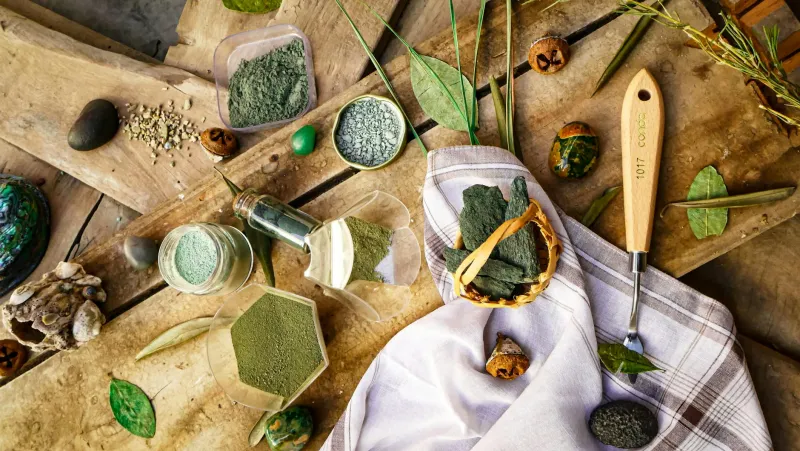
Spirulina is a blue-green microalgae prized for its dense nutrient profile: protein, B vitamins, iron, and the antioxidant phycocyanin. When shopping for spirulina supplements, you will encounter three practical formats: loose powder, compressed tablets, and capsules. Each format has trade-offs in convenience, cost, and how well the active constituents survive processing.
Products available at maxfit.ee include OstroVit Spiruline 250g (bulk powder), OstroVit Spiruline 90tabs, OstroVit Spiruline VEGE 1000tabs, 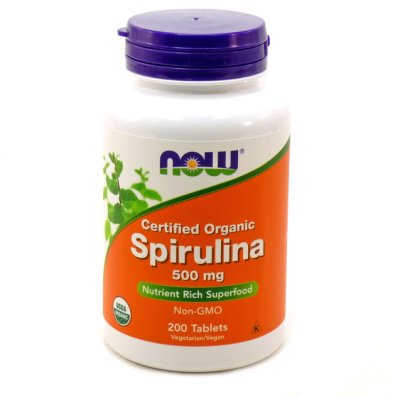 NOW Organic Spirulina€15.90 In stock 500mg 200tabs, NOW Organic Spirulina 500mg 100tabs, and MST Spirulina 90tabs. Browse the full range at /en/category/spirulina.
Bioavailability Differences
Spirulina cells have no rigid cellulose wall — the cell wall is made of a soft mucopolysaccharide complex. This means the nutrient content is highly accessible compared to many plant-based foods. The form (powder vs tablet) has a smaller effect on bioavailability than it does for some other supplements.
However, heat and oxidation are the main enemies of spirulina quality. Powder stored properly (dark, cool, sealed) retains phycocyanin content better than tablets that have been exposed to heat during compression. Tablet binders and the compression process itself add minimal heat, which is generally acceptable for reputable manufacturers using low-temperature processes. When buying either form, freshness and storage conditions matter more than the format itself.
A clinical study found that spirulina supplementation was associated with reduced markers of lipid peroxidation, suggesting that bioactive antioxidants survive processing well in standardised commercial products (Miczke et al., 2016).
Cost per Effective Dose
Studies on spirulina and various outcomes have typically used daily amounts in the range of roughly 1–8 g of dried spirulina. Bulk powder is consistently the most cost-effective option per gram. Tablets offer measured doses and no measurement errors. Capsules are the most convenient but tend to cost more per gram due to the additional encapsulation step.
For regular daily use over weeks, powder bought in larger quantities (such as OstroVit Spiruline 250g) delivers the best value per gram of spirulina. For travel or on-the-go use, tablets and capsules are more practical.
Which Spirulina Form for Which Goal
- Antioxidant and general health support: Powder and tablets both deliver phycocyanin and other antioxidants equally well when manufactured properly. Choose based on convenience.
- Iron and protein intake: Spirulina's iron is well absorbed relative to other plant sources. Both powder and tablets deliver iron; mix powder into food or juice to help absorption with vitamin C-containing foods.
- Convenience for travel: Tablets (such as NOW Organic Spirulina 500mg 200tabs or OstroVit Spiruline VEGE 1000tabs) are easiest to portion and carry.
- Smoothie or food integration: Powder blends easily into green smoothies, yoghurt, or hummus. The taste is strong and earthy, so start with small amounts and build up.
What to Look for on the Label
- Species: Arthrospira platensis (formerly called Spirulina platensis) is the predominant commercial species. Both it and Arthrospira maxima are acceptable.
- Phycocyanin content: Some premium products specify phycocyanin as a quality marker. Higher is better; some bulk powders list it as a percentage of dry weight.
- Certification: Look for organic certification or third-party testing for heavy metals. Spirulina grown in open ponds can accumulate contaminants if water quality is not controlled.
- Country of origin: Production facilities in Hawaii, California, and parts of Europe are generally well-regulated. Some Asian-sourced products are reputable but require checking for contamination testing.
- Tablet binders: Most compressed spirulina tablets use minimal fillers. Check if the product suits your dietary requirements.
FAQ
Does spirulina taste the same in powder and tablet form?
The taste profile is identical since both are dried spirulina. With powder, you experience the taste directly when mixing. Tablets mask the flavour almost completely if swallowed whole.
Is spirulina a complete protein?
Spirulina contains all essential amino acids and has a relatively high proportion of protein by dry weight. However, the actual protein amount delivered in typical supplement doses is modest. It is not a practical primary protein source but contributes to overall intake.
Can spirulina tablets replace powder in smoothies?
Technically yes — crushed tablets dissolve similarly to powder. But it is more labour-intensive. If you primarily use spirulina in smoothies, bulk powder is more practical.
References
Miczke, A., Szulinska, M., Hansdorfer-Korzon, R., Kregielska-Narozna, M., Suliburska, J., Walkowiak, J., & Bogdanski, P. (2016). Effects of spirulina consumption on body weight, blood pressure, and endothelial function in overweight hypertensive Caucasians: a double-blind, placebo-controlled, randomized trial. European Review for Medical and Pharmacological Sciences, 20(1), 150–156. https://pubmed.ncbi.nlm.nih.gov/26813468/
Belay, A. (2002). The potential application of Spirulina (Arthrospira) as a nutritional and therapeutic supplement in health management. Journal of the American Nutraceutical Association, 5(2), 27–48.
Karkos, P. D., Leong, S. C., Karkos, C. D., Sivaji, N., & Assimakopoulos, D. A. (2011). Spirulina in clinical practice: evidence-based human applications. Evidence-Based Complementary and Alternative Medicine, 2011, 531053. https://pubmed.ncbi.nlm.nih.gov/18955364/



