Spirulina After 50: Benefits & Safety
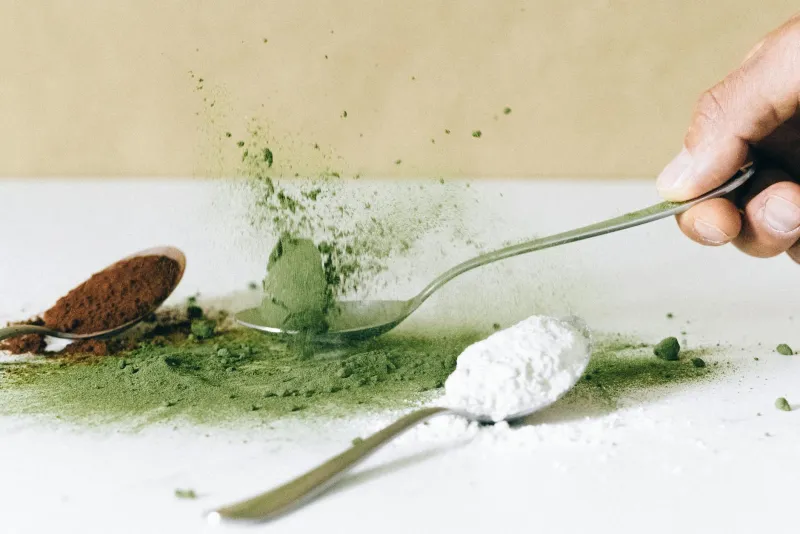
Spirulina (Arthrospira platensis) is a cyanobacterium — often referred to as a blue-green algae — that has been consumed as a food source for centuries and studied extensively as a nutritional supplement. Its dense nutrient profile includes protein, B vitamins, iron, and phycocyanin, a potent antioxidant pigment. For adults over 50, several aspects of spirulina's nutritional and bioactive content are particularly relevant.
Age-Related Need
Ageing is accompanied by increased oxidative stress, a gradual decline in immune function, and, in many adults, nutritional gaps that emerge from reduced food intake or changes in gut absorption. Spirulina addresses several of these concerns simultaneously.
Oxidative stress accumulates with age and is associated with inflammation, cardiovascular disease risk, and cognitive decline. Phycocyanin, spirulina's blue pigment, has demonstrated antioxidant and anti-inflammatory activity in preclinical studies. A 2016 RCT by Ngo-Matip et al. found that spirulina supplementation was associated with improvements in oxidative stress markers and immune parameters in HIV-infected individuals — a specific population, but one where immune and oxidative burden is high (Ngo-Matip et al., 2015).
Another relevant domain is iron. Iron deficiency anaemia affects a non-trivial proportion of older adults, particularly women in their early post-menopausal years and older adults with poor dietary intake. Spirulina contains non-haem iron in meaningful amounts. A 2001 study by Selmi et al. in elderly women found that spirulina supplementation improved haematological parameters including haemoglobin levels compared to a control group (Selmi et al., 2011). While the iron from spirulina is non-haem (lower bioavailability than haem iron from meat), it can still contribute meaningfully to intake alongside a varied diet.
Benefits for Older Adults
Beyond antioxidant and iron contributions, spirulina has been studied in lipid management. A 2008 randomised trial by Torres-Duran et al. found that spirulina supplementation over 4.5 months was associated with modest reductions in total cholesterol and triglycerides compared to placebo in older adults (Torres-Duran et al., 2007). These are outcomes relevant to cardiovascular health in ageing populations.
Spirulina provides a complete amino acid profile — including all essential amino acids — making it a useful protein supplement for older adults who may struggle to meet protein needs through diet alone, particularly those following plant-based diets.
Absorption Changes with Age
As with most food-based supplements, spirulina's nutrients are generally absorbed through standard gastrointestinal pathways. Reduced gastric acid in older adults can affect absorption of some vitamins and minerals, particularly B12. Spirulina contains a form of B12 called pseudocobalamin, which is not bioavailable to humans in the same way as true B12 (methylcobalamin or cyanocobalamin). This is an important caveat: spirulina should not be relied upon as a B12 source, especially in vegans and older adults who are at risk of B12 deficiency. Separate B12 supplementation remains necessary.
Dose and Safety
Typical supplemental doses range from around 1 g to 8 g per day. Spirulina is generally well-tolerated at these doses. Possible side effects include mild gastrointestinal discomfort when starting, particularly with higher doses.
OstroVit Spiruline 250g, OstroVit Spiruline 90tabs, 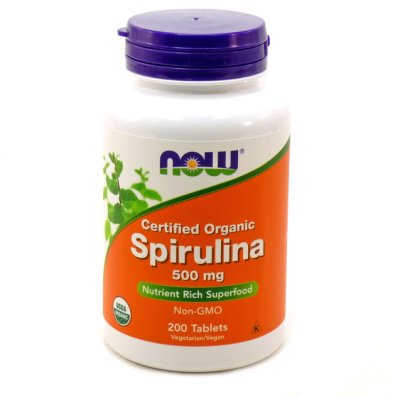 NOW Organic Spirulina€15.90 In stock 500mg 200tabs, NOW Organic Spirulina 500mg 100tabs, and MST Spirulina 90tabs are available at maxfit.ee in powder and tablet formats.
Browse the full range in the spirulina category.
Interactions with Medication
Spirulina has immunomodulatory properties, which means individuals on immunosuppressive medications should consult their physician before use. Some in vitro studies have suggested spirulina may affect blood clotting pathways — people on anticoagulant or antiplatelet medications (such as warfarin or aspirin at higher doses) should discuss with their prescribing doctor before adding spirulina.
Spirulina may also interact with medications that affect blood sugar, so people with diabetes or those on diabetes medications should monitor their glucose more closely when starting spirulina.
When to Supplement
For adults over 50, spirulina is most relevant as a nutritional density supplement — adding antioxidants, protein, iron, and anti-inflammatory compounds to the diet without adding significant calories. It is particularly useful for older adults with reduced appetite, reduced food variety, or those following plant-based diets who want a nutrient-dense supplement.
It does not replace a varied diet, and specific concerns like anaemia, cardiovascular disease, or immune dysfunction warrant medical evaluation rather than self-supplementation alone.
Bottom Line
Spirulina is a well-studied, nutrient-dense supplement with genuine relevance for adults over 50. Its antioxidant, anti-inflammatory, and lipid-modulating properties are backed by controlled trials. It contributes meaningfully to protein, iron, and antioxidant intake. The B12 caveat is important and often overlooked. Medication interactions deserve attention for those on immunosuppressants or blood thinners.
FAQ
Is spirulina a good source of B12 for older adults?
No. Spirulina contains pseudocobalamin, which is not bioavailable as true vitamin B12 in humans. Older adults — and especially those following plant-based diets — need to obtain B12 from fortified foods or dedicated B12 supplements. Do not rely on spirulina as a B12 source.
Can spirulina be taken long-term?
Spirulina has a long history of use as a food source and has been used in research trials for periods of up to 12 months without reported safety concerns in healthy adults. However, quality matters: choose products from reputable manufacturers tested for heavy metal contamination and cyanotoxins, which can be present in poorly sourced algae.
Does spirulina interact with blood pressure medications?
Spirulina may have a modest blood-pressure-lowering effect. While this is potentially beneficial, people already on antihypertensive medications should inform their doctor to avoid additive hypotensive effects.
References
Ngo-Matip, M. E., Pieme, C. A., Azabji-Kenfack, M., Moukette, B. M., Korosky, E., Stefanini, P., & Ngogang, J. Y. (2015). Impact of daily supplementation of Spirulina platensis on the immune system of naïve HIV-1 patients in Cameroon. Nutrition Journal, 14, 70. https://pubmed.ncbi.nlm.nih.gov/26195001/
Selmi, C., Leung, P. S., Fischer, L., German, B., Yang, C. Y., Kenny, T. P., & Gershwin, M. E. (2011). The effects of Spirulina on anemia and immune function in senior citizens. Cellular & Molecular Immunology, 8(3), 248-254. https://pubmed.ncbi.nlm.nih.gov/21278762/
Torres-Duran, P. V., Ferreira-Hermosillo, A., & Juarez-Oropeza, M. A. (2007). Antihyperlipemic and antihypertensive effects of Spirulina maxima in an open sample of Mexican population: a preliminary report. Lipids in Health and Disease, 6, 33. https://pubmed.ncbi.nlm.nih.gov/18039384/



