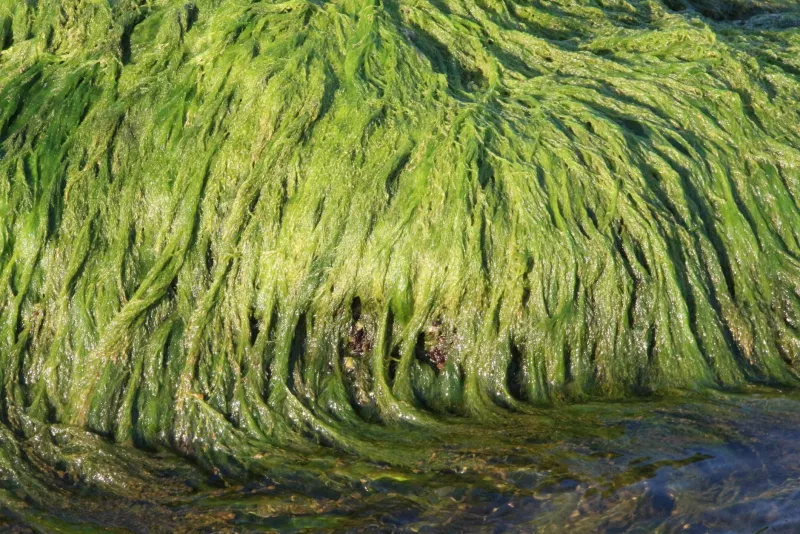
Spirulina for Athletes: Performance Evidence
Spirulina is a blue-green microalgae that has been consumed as a food source for centuries and studied seriously in sports science for the last two decades. Its dense nutrient profile — containing protein, phycocyanin, iron, B vitamins, and beta-carotene — makes it genuinely interesting for athletes, not just wellness enthusiasts.
How Spirulina May Work in Sport
The primary mechanism of interest for athletes centres on spirulina's potent antioxidant capacity, driven largely by phycocyanin — the blue pigment unique to this algae. Intense exercise generates reactive oxygen species (free radicals) that damage muscle fibres and prolong recovery time. Spirulina's antioxidant compounds may help buffer this oxidative load.
Additionally, spirulina provides a meaningful amount of plant-based iron in a relatively bioavailable form. Iron is essential for haemoglobin synthesis and therefore directly influences oxygen-carrying capacity — a key limiter of endurance performance, especially in athletes who train at high volumes or follow plant-based diets.
Strength and Endurance Evidence
A randomised controlled study by Kalafati et al. (2010) found that spirulina supplementation for four weeks significantly increased time to exhaustion and fat oxidation during exercise compared to placebo in recreationally active men (Kalafati et al., 2010). This suggests a genuine ergogenic effect on endurance capacity.
Lu et al. (2006) examined spirulina's effects on exercise-induced oxidative stress and found reduced muscle damage markers in spirulina-supplemented participants after a resistance exercise bout (Lu et al., 2006). Lower muscle damage markers correlate with faster recovery between sessions.
For strength outputs directly, the evidence is less consistent. Spirulina's protein content may contribute marginally to muscle protein synthesis, but the amounts typically supplemented are too small to be the primary protein source.
Effective Protocol
Studies reporting benefits have generally used doses of 2 g to 7.5 g per day. Lower doses may provide antioxidant benefits; the higher end is associated with the endurance improvements reported in the literature. Spirulina is usually available in tablet or powder form.
At maxfit.ee you can find OstroVit Spiruline 250g in powder form and OstroVit Spiruline 90tabs in a convenient tablet format. 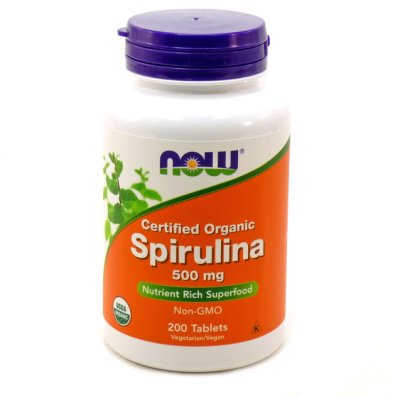 NOW Organic Spirulina€15.90 In stock 500mg 200tabs is also available for those who prefer a certified organic source. Browse the spirulina category for current stock.
Powder can be mixed into smoothies or juices; tablets are more convenient for travel. There is no established optimal timing — daily consistency matters more than precise timing around workouts.
Who Benefits Most
- Endurance athletes — time-to-exhaustion improvements and fat oxidation benefits are the best-supported outcomes.
- Plant-based athletes — spirulina's iron content may help prevent deficiency-driven performance declines in those who avoid animal products.
- High-volume trainers — reduced oxidative stress and muscle damage markers mean spirulina may support recovery in athletes doing multiple sessions per week.
- Athletes in caloric restriction — the dense micronutrient profile helps maintain intake of key minerals and vitamins during cutting.
Honest Verdict
Spirulina stands out among plant-based supplements because it has genuine human trial data behind the performance claims. The antioxidant and recovery effects are the most credible, with endurance benefits also supported. It is not a replacement for targeted supplementation of iron, protein, or B12 — those require dedicated supplements — but as a broad-spectrum micronutrient and antioxidant support, spirulina earns its place in an athlete's stack.
References
Kalafati, M., Jamurtas, A. Z., Nikolaidis, M. G., Paschalis, V., Theodorou, A. A., Sakellariou, G. K., Koutedakis, Y., & Kouretas, D. (2010). Ergogenic and antioxidant effects of spirulina supplementation in humans. Medicine & Science in Sports & Exercise, 42(1), 142-151. https://pubmed.ncbi.nlm.nih.gov/20010119/
Lu, H. K., Hsieh, C. C., Hsu, J. J., Yang, Y. K., & Chou, H. N. (2006). Preventive effects of Spirulina platensis on skeletal muscle damage under exercise-induced oxidative stress. European Journal of Applied Physiology, 98(2), 220-226. https://pubmed.ncbi.nlm.nih.gov/16944194/
FAQ
Does spirulina improve athletic performance?
For endurance performance specifically, human trials show a modest but real effect — particularly on time to exhaustion and fat oxidation during exercise. Recovery benefits from reduced oxidative stress are also supported.
Is spirulina a good protein source for athletes?
Spirulina contains roughly 60-70% protein by dry weight, but the amounts typically supplemented are too small to meaningfully contribute to daily protein targets. Use a dedicated protein supplement for that goal; use spirulina for its antioxidant and micronutrient benefits.
Are there any side effects from spirulina?
Spirulina is generally well tolerated. Some individuals experience mild digestive discomfort at the start. Those with phenylketonuria or autoimmune conditions should consult a healthcare provider, as spirulina contains phenylalanine and may stimulate immune activity.



