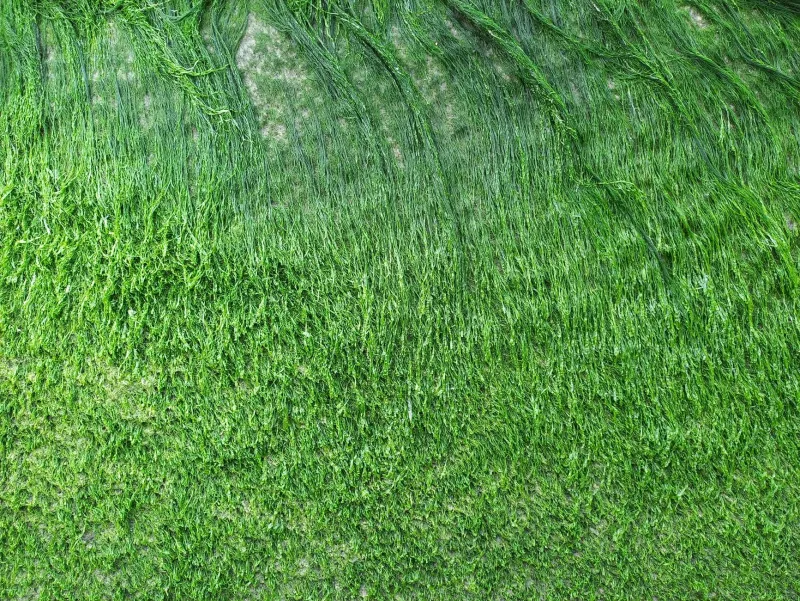
What Is Spirulina and What Does Deficiency Mean?
Spirulina is a type of cyanobacterium — commonly referred to as blue-green microalgae — that grows in warm, alkaline freshwater environments. It has been consumed as a food source by certain cultures for centuries and is now one of the most widely used nutritional supplements globally. Spirulina provides a dense profile of nutrients per gram: protein, B vitamins, iron, phycocyanin (a blue pigment with antioxidant properties), and gamma-linolenic acid (GLA).
There is no formally defined "spirulina deficiency" because spirulina is not an essential nutrient. However, the concept of spirulina deficiency is best understood as the gap between a person's actual intake of the nutrients spirulina is particularly rich in — especially plant-based iron, certain B vitamins, and phytonutrients — and the optimal intake of those nutrients for their health goals.
This framing is most relevant for vegans, vegetarians, people with diets low in micronutrient diversity, and anyone facing elevated demand for iron, antioxidants, or plant-based protein.
Signs That You May Benefit from Spirulina
Several physical and functional indicators suggest that adding spirulina may address real nutritional gaps:
Fatigue and pale appearance (iron-related): Iron deficiency is one of the most prevalent nutrient deficiencies globally, and it disproportionately affects women of reproductive age and those on plant-based diets. Spirulina is a source of non-haem iron. A controlled trial in women with iron deficiency anaemia found that spirulina supplementation improved haemoglobin levels compared with a control group (Selmi et al., 2011).
Slow post-exercise recovery: Phycocyanin and other spirulina antioxidants may help manage exercise-induced oxidative stress. A crossover study found that spirulina supplementation was associated with lower markers of oxidative stress and better exercise performance in trained individuals (Lu et al., 2006).
Mild inflammatory burden: Spirulina's phycocyanin content is associated with anti-inflammatory properties in cell and animal models, and some human trial data suggest modest effects on inflammatory markers.
Suboptimal protein intake on a plant-based diet: Spirulina contains all essential amino acids and is often cited as one of the most protein-dense plant foods by weight. For vegans who struggle to meet protein targets, spirulina can provide a meaningful supplement to total daily intake.
At-Risk Groups
Vegans and vegetarians: Plant-based diets are the most common context in which spirulina provides meaningful micronutrient supplementation, particularly for iron and B12 precursors.
Women of reproductive age: The combination of monthly iron losses, potential pregnancy-related demands, and diets that vary in iron quality makes this group particularly likely to benefit from plant-based iron sources like spirulina.
Athletes during heavy training blocks: Oxidative stress rises with training load. Antioxidant-rich foods and supplements may support recovery, though the magnitude of the benefit from spirulina specifically remains under active study.
People on calorie-restricted diets: Cutting overall food intake reduces micronutrient density across the board. Spirulina as a concentrated nutrient source can partially offset these reductions.
Nordic and Estonian Context
In Estonia and across Nordic countries, spirulina is not a traditional dietary staple. The combination of limited fresh green vegetable availability in winter months and a diet that is historically more reliant on animal protein than diverse plant foods means that spirulina fills a relevant niche as a micronutrient and phytonutrient supplement, especially for the growing segment of the population following plant-based eating patterns.
Estonian health surveys indicate that iron intake is a concern among women, and spirulina provides a plant-origin source without the gastrointestinal side effects sometimes associated with iron salt supplements.
How Is Spirulina Status Tested?
Spirulina intake is not directly measured by clinical tests. Instead, tests for the nutrients spirulina is richest in — full blood count for iron and haemoglobin, ferritin, and sometimes serum B12 and folate — can indicate whether supplementation with spirulina-type sources is warranted. A nutritional evaluation by a registered dietitian is the most comprehensive approach for identifying micronutrient gaps.
When to Supplement
Spirulina works best as a consistent daily addition to an otherwise varied diet, rather than a replacement for whole foods. At maxfit.ee, OstroVit Spiruline 250g provides a powder format that can be mixed into smoothies or water, while 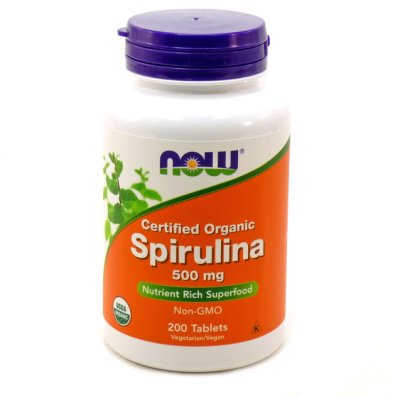 NOW Organic Spirulina€15.90 In stock 500mg 200tabs and MST Spirulina 90tabs are convenient for those who prefer capsules or tablets. Explore the full spirulina range at maxfit.ee.
FAQ
Does spirulina provide enough B12 for vegans?
This is a common misconception. Spirulina contains compounds that are structurally similar to vitamin B12 but are largely analogue forms that are not bioactive in the human body. Vegans should not rely on spirulina as their primary or sole source of B12. A specific methylcobalamin or cyanocobalamin supplement is essential for vegans.
Can spirulina replace iron supplements for anaemia?
Spirulina contains non-haem iron and may support iron status in people with mildly low intake. However, clinically diagnosed iron deficiency anaemia typically requires medical treatment with established iron supplementation protocols under doctor supervision. Spirulina can be a useful complement but is not a replacement for medical treatment of anaemia.
How much spirulina should I take daily?
Studies have used a wide range of doses. Common amounts in research fall between approximately 1 g and 8 g per day. Many supplement formats provide 1–3 g per serving, and starting with that range and assessing tolerability is a practical approach. Spirulina has a strong flavour that some people find challenging; flavour-neutral capsule formats avoid this issue.
References
Selmi, C., Leung, P. S., Fischer, L., German, B., Yang, C. Y., Kenny, T. P., Cysewski, G. R., & Gershwin, M. E. (2011). The effects of Spirulina on anemia and immune function in senior citizens. Cellular & Molecular Immunology, 8(3), 248-254. https://pubmed.ncbi.nlm.nih.gov/21278762/
Lu, H. K., Hsieh, C. C., Hsu, J. J., Yang, Y. K., & Chou, H. N. (2006). Preventive effects of Spirulina platensis on skeletal muscle damage under exercise-induced oxidative stress. European Journal of Applied Physiology, 98(2), 220-226. https://pubmed.ncbi.nlm.nih.gov/16944194/
Karkos, P. D., Leong, S. C., Karkos, C. D., Sivaji, N., & Assimakopoulos, D. A. (2011). Spirulina in clinical practice: evidence-based human applications. Evidence-Based Complementary and Alternative Medicine, 2011, 531053. https://pubmed.ncbi.nlm.nih.gov/18955364/



