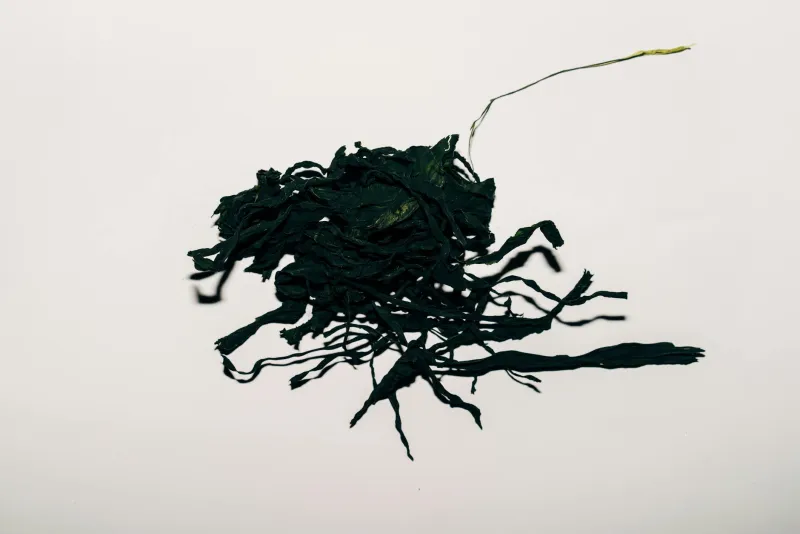
What Is Spirulina and Why Absorption Matters
Spirulina is a blue-green microalgae (Arthrospira platensis) consumed as a dried powder or tablet. It is particularly valued for its protein content, iron, B-vitamins, and the antioxidant phycocyanin. Compared with many plant-based sources, spirulina's cell wall is thin and lacks cellulose, which generally makes its nutrients more accessible than those in leafy greens or legumes.
That said, practical factors still influence how much of spirulina's nutritional content your body actually uses, particularly for iron and certain pigments.
What Limits Spirulina Absorption
- Iron form. Spirulina contains non-haem iron, which is the same form found in plant foods generally. Non-haem iron absorption is notably lower than haem iron from meat, and it is strongly influenced by what else is in the meal (Saunders et al., 2012).
- Phytate-rich foods. When spirulina is consumed alongside high-phytate foods (whole grains, legumes, raw nuts), phytates can bind iron and other minerals, reducing absorption.
- Calcium competition. High calcium intake at the same meal competes with iron for absorption pathways. Dairy-heavy meals alongside spirulina may reduce iron uptake.
- Poor hydration of powder. Spirulina powder that is not fully dissolved or dispersed in liquid may pass through the intestine more quickly and with less surface area for digestion.
Cofactors That Help
- Vitamin C. This is the most well-established enhancer of non-haem iron absorption. Vitamin C converts ferric iron to ferrous iron, which is more readily absorbed. Consuming spirulina with a vitamin C-rich food or drink meaningfully improves iron uptake (Hallberg et al., 1989).
- Organic acids. Citric acid and malic acid (found in fruits and juices) have similar iron-enhancing effects to vitamin C.
- Avoiding calcium and tannins at the same meal. Tea, coffee, and dairy consumed at the same time as spirulina inhibit non-haem iron absorption.
Form and Timing Effects
Spirulina comes as powder, tablets, or capsules. Powder mixed into liquid offers the greatest surface area and contact time during digestion. Tablets and capsules must first disintegrate; the time this takes varies by formulation.
For athletes using spirulina primarily for antioxidant support or protein contribution, timing relative to training may matter. Some research suggests antioxidant-rich foods taken immediately post-workout may blunt training adaptation signals, though the evidence specific to spirulina is limited. Morning or pre-workout use is a practical default for most users.
Food Pairings
Strategic food pairings can significantly improve iron absorption from spirulina:
- Citrus juice (orange, lemon) in a spirulina smoothie — vitamin C markedly improves non-haem iron uptake (Hallberg et al., 1989).
- Bell pepper or kiwi as a side food — both are rich in vitamin C and citric acid.
- Avoiding tea or coffee at the same meal — tannins in tea and chlorogenic acids in coffee are significant inhibitors of non-haem iron absorption.
| Pairing | Effect on iron absorption |
|---|---|
| Vitamin C food (citrus) | Strongly enhances |
| Citric acid (lemon) | Enhances |
| Tea or coffee | Inhibits |
| Dairy (calcium) | Inhibits |
| High-phytate grain | Inhibits |
Practical Tips for Daily Use
- Mix powder thoroughly in liquid — spirulina should be well dispersed, not clumped.
- Add a vitamin C source — squeeze lemon into the glass or blend with citrus fruit to improve iron absorption.
- Separate from tea or coffee by at least one hour to avoid inhibition.
- Be consistent — like most nutritional supplements, spirulina's benefits accrue with regular daily intake.
- Store properly — spirulina's pigments (especially phycocyanin) degrade with heat and light; store powder in a cool, dark place and use within the date on the packaging.
At maxfit.ee you can find OstroVit Spiruline 250g, OstroVit Spiruline 90tabs, 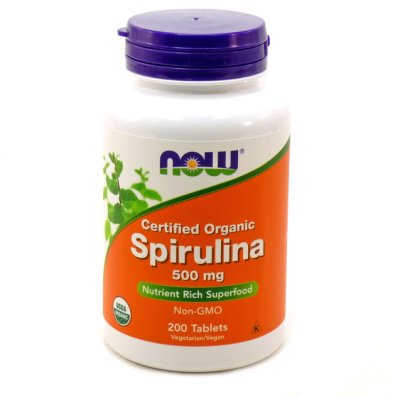 NOW Organic Spirulina€15.90 In stock 500mg 200tabs, and MST Spirulina 90tabs in the spirulina category.
References
Hallberg, L., Brune, M., & Rossander, L. (1989). The role of vitamin C in iron absorption. International Journal for Vitamin and Nutrition Research, 30, 103–108. https://pubmed.ncbi.nlm.nih.gov/2507689/
Saunders, A. V., Craig, W. J., Baines, S. K., & Posen, J. S. (2012). Iron and vegetarian diets. Medical Journal of Australia, 1(2 Suppl), 11–16. https://doi.org/10.5694/mjao11.11494
Michaud, J., & Rachid, M. (2010). Antioxidant and anti-inflammatory properties of C-phycocyanin from spirulina. Journal of Medicinal Food, 13(3), 630–637.
FAQ
Does vitamin C actually improve spirulina iron absorption?
Yes. This is one of the best-established principles in nutritional science. Vitamin C converts non-haem iron to a more absorbable form and inhibits the binding effects of phytates and polyphenols. Adding a vitamin C-rich food or a squeeze of lemon to your spirulina drink is a simple and effective step.
Should I take spirulina tablets or powder?
Both are effective. Powder mixed into liquid offers greater dispersion and potentially faster digestion. Tablets are more convenient and have no taste, which some people prefer. For most users the difference in practical outcome is small — choose the form you will take consistently.
Can I take spirulina alongside my protein shake?
Yes, this is a common combination. Just be mindful that if your protein shake contains calcium (as whey and casein products do), it may slightly reduce iron absorption from the spirulina. If optimising iron intake is a priority, take spirulina separately with a vitamin C source rather than blended with a dairy-based shake.



