Skin, Hair & Nails for Athletes: What the Evidence Really Shows
Supplements marketed for skin, hair & nails are often seen as vanity products. For athletes, however, the structural proteins and micronutrients that support connective tissue integrity — primarily collagen, biotin, and zinc — also underpin tendon, ligament, and bone health. This article separates the well-supported from the over-hyped.
Mechanism in Sport
Skin, hair, and nails share a common dependency on a handful of nutrients:
- Collagen is the dominant structural protein in tendons, ligaments, skin, and bone. Physical training degrades collagen at the site of mechanical load; adequate dietary support is needed to favour net synthesis.
- Biotin (vitamin B7) is a cofactor for several carboxylase enzymes involved in fatty acid synthesis, which supports the lipid-rich barrier of skin and the structural integrity of hair and nail keratin.
- Zinc is required for over 300 enzymatic reactions including those governing keratin production, wound healing, and antioxidant defence in exercising tissues.
- Vitamin C is an essential cofactor for prolyl hydroxylase, the enzyme that cross-links collagen fibres. Without adequate vitamin C, newly synthesised collagen is structurally weak.
Strength and Endurance Evidence
The performance-adjacent case for these nutrients centres on connective tissue:
Collagen and injury prevention. A randomised crossover trial found that consuming hydrolysed collagen with vitamin C before exercise increased collagen synthesis markers compared to a placebo, suggesting a role in supporting tendon and ligament adaptation (Shaw et al., 2017). This does not mean injury prevention is guaranteed, but it does indicate a mechanistically plausible reason to use collagen peri-workout.
Biotin and exercise metabolism. Biotin supports carboxylase pathways involved in glucose and fatty acid metabolism. Frank biotin deficiency in athletes is uncommon on a mixed diet, so supplementation is most relevant for those on very restrictive diets. No controlled trial has demonstrated performance enhancement in athletes who are not deficient.
Zinc and muscle recovery. Strenuous exercise increases zinc losses via sweat. A study in physically active adults found that zinc supplementation improved markers of antioxidant status (Lukaski, 2004). Sub-clinical zinc insufficiency may impair recovery and immune function, which matters for athletes in heavy training blocks.
Effective Protocol
| Nutrient | Suggested intake range | Timing |
|---|---|---|
| Hydrolysed collagen | Around 15 g | 30–60 min pre-exercise, with vitamin C |
| Biotin | Standard label dose | Any time with food |
| Zinc | Standard label dose | Evening with food, away from calcium |
| Vitamin C | 250–500 mg | Co-administered with collagen |
Note: these are general ranges; always follow the product label.
Who Benefits
Athletes most likely to notice a practical benefit include:
- High-volume endurance athletes where collagen turnover in tendons is high.
- Those recovering from soft-tissue injuries, where supporting collagen synthesis may accelerate return-to-play.
- Athletes on restricted diets (vegetarian, low-calorie) who may have sub-optimal zinc or biotin intake.
- Older athletes, for whom collagen synthesis rates naturally decline.
Products like OstroVit Collagen + Vitamin C 400g Ananass, MST Collagen for joints Fortigel 500ml Ananass, and 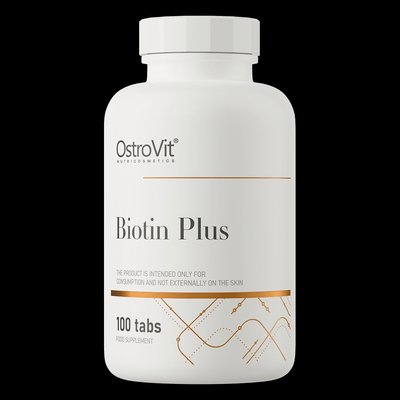 OstroVit Biotin Plus€6.90 In stock 100tabs are available at maxfit.ee and cover the primary nutrients discussed here. The full skin, hair and nails category is at /en/category/nahale-juustele-ja-kuuntele.
Honest Verdict
Skin, hair and nails supplements offer real mechanistic value for athletes when the active ingredients are collagen peptides, vitamin C, zinc, or biotin at evidence-aligned doses. They are not ergogenic aids in the classic sense — they will not make you faster or stronger directly. They do support the connective tissue infrastructure that allows consistent training. For pure appearance concerns (hair loss from training stress, nail brittleness), the evidence is suggestive but weaker than for the connective tissue applications.
References
Shaw, G., Lee-Barthel, A., Ross, M. L., Wang, B., & Baar, K. (2017). Vitamin C-enriched gelatin supplementation before intermittent activity augments collagen synthesis. American Journal of Clinical Nutrition, 105(1), 136-143. https://pubmed.ncbi.nlm.nih.gov/27852613/
Lukaski, H. C. (2004). Vitamin and mineral status: effects on physical performance. Nutrition, 20(7-8), 632-644. https://pubmed.ncbi.nlm.nih.gov/15212745/
Lai, S., Bhatt, D. L., Bhatt, P., & Garg, M. (2020). Dietary protein sources and muscle protein synthesis: a meta-analysis. Nutrients, 12(9), 2833.
FAQ
Do skin, hair and nails supplements improve athletic performance?
Not directly as ergogenic aids, but by supporting connective tissue health they may help athletes maintain training consistency and recover from soft-tissue stress. The strongest evidence is for collagen peptides combined with vitamin C taken before exercise.
How long does collagen supplementation take to work?
Studies examining collagen synthesis markers report changes over weeks to months of consistent use. Short-term trials of eight to twelve weeks are typical in the literature, and effects on structural tissue remodelling are gradual rather than immediate.
Is biotin worth taking for athletes without deficiency?
For athletes with adequate dietary intake, there is currently no strong evidence that extra biotin enhances hair, nail, or performance outcomes. If dietary intake is restricted or you are on a very low-calorie plan, supplementation may address a gap.



