
Signs You Need Skin, Hair & Nails Supplements: Deficiency & Who Benefits
Skin, hair, and nails are built from proteins and micronutrients that the body prioritises last when supplies are low — which means deficiency shows up in these tissues before internal organs are affected. Understanding which nutrients matter most, who is at risk, and what the evidence says about supplementation helps you make informed decisions rather than guessing.
Deficiency Symptoms to Watch For
Biotin (vitamin B7): Biotin is often promoted for hair and nails. True biotin deficiency is rare but causes hair thinning, scaly rashes around facial orifices, and brittle nails. Deficiency is more common in people who consume large amounts of raw egg whites (which contain avidin, a biotin-binding protein), those on very-long-term antibiotic therapy, and pregnant women. In clinical biotin deficiency, supplementation reverses these signs. In people with normal biotin status, supplementation has not been shown to meaningfully improve hair growth (Patel et al., 2017).
Collagen: Collagen is the structural protein of skin, hair follicle matrix, and nail beds. Dietary collagen and collagen peptide supplementation provide amino acids (particularly glycine, proline, hydroxyproline) that support endogenous collagen synthesis. A randomised trial found that oral collagen peptide supplementation improved skin elasticity and hydration over 8 weeks of use (Proksch et al., 2014).
Zinc: Zinc is essential for keratinocyte function — the cells that form skin and nails. Zinc deficiency causes hair loss, rough skin, and slow wound healing. Northern European and Estonian populations can have lower dietary zinc in vegetarian-leaning eating patterns. Athletes with high sweat losses are another at-risk group.
Silica and sulfur amino acids (cysteine, methionine): Nail plates and hair keratin are sulfur-rich. Low intake of sulfur amino acids, found in eggs, meat, and poultry, can contribute to brittle hair and nails.
At-Risk Groups
- Vegans and vegetarians: Lower intake of collagen precursors (glycine, proline from meat), biotin from egg yolks, and zinc from animal sources.
- Individuals on calorie-restricted diets: Low total food intake compresses micronutrient intake across the board.
- Post-menopausal women: Collagen production declines with age and falling oestrogen levels, making skin thinning and hair thinning more common in this group.
- Athletes with high training loads: Sweat losses of zinc and biotin over time may contribute to depletion.
- People in Estonia and Nordic countries in winter: Low sunlight reduces vitamin D and can indirectly affect skin barrier function.
How It Is Tested
Biotin and zinc can be measured in blood. Hair mineral analysis has poor standardisation and is not a reliable clinical tool. Zinc is best assessed via serum zinc, though it is not a sensitive marker for mild deficiency. Collagen status has no direct clinical test; skin biopsy collagen density is used in research but not routine practice. The most practical approach is symptom evaluation alongside dietary analysis.
Nordic and Estonian Context
Estonian winter sun deprivation, combined with dietary patterns that may be lower in oily fish, can affect the skin's lipid barrier. Omega-3 fatty acids support skin hydration and reduce transepidermal water loss. Vitamin D deficiency — common in Estonia from October to April — has knock-on effects on skin keratinocyte differentiation.
When to Supplement vs Diet
If symptoms are mild and diet is clearly deficient in a specific nutrient, dietary correction is the first step. Supplementation makes sense when:
- Diet alone cannot address the deficiency (e.g., vegans and collagen, which has no plant source).
- Symptoms persist after dietary improvement.
- Laboratory tests confirm a deficiency.
At maxfit.ee, products like OstroVit Collagen + Vitamin C 400g Ananass and ICONFIT Beauty Collagen Sidrun-laim 300g provide hydrolysed collagen peptides with vitamin C (which is required for collagen synthesis). 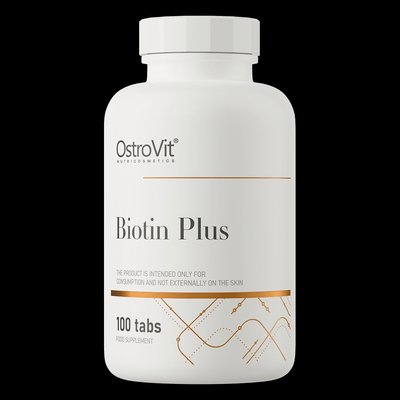 OstroVit Biotin Plus€6.90 In stock 100tabs is designed for biotin support. For broader coverage, MST Collagen for joints Fortigel 500ml Ananass uses a clinically studied collagen type. Explore the full range in the skin, hair and nails category at maxfit.ee.
FAQ
Does biotin supplementation help with hair loss?
Biotin supplementation reverses hair loss caused by biotin deficiency, which is uncommon in people eating a varied diet. In people without deficiency, there is limited clinical evidence that biotin supplementation improves hair growth (Patel et al., 2017).
How long do collagen supplements take to work?
In clinical trials, skin elasticity and hydration improvements from oral collagen peptides have been observed after 8 weeks of consistent daily use (Proksch et al., 2014). Hair and nail effects, if present, typically require longer observation periods.
Can I get enough collagen from food?
Dietary collagen comes from bone broth, skin-on poultry, and gelatine. While these foods provide collagen amino acids, hydrolysed collagen supplements have better absorption and standardised dosing. Both approaches support collagen synthesis when paired with adequate vitamin C intake.
References
Patel, D. P., Swink, S. M., & Castelo-Soccio, L. (2017). A review of the use of biotin for hair loss. Skin Appendage Disorders, 3(3), 166-169. https://pubmed.ncbi.nlm.nih.gov/28879195/
Proksch, E., Segger, D., Degwert, J., Schunck, M., Zague, V., & Oesser, S. (2014). Oral supplementation of specific collagen peptides has beneficial effects on human skin physiology: a double-blind, placebo-controlled study. Skin Pharmacology and Physiology, 27(1), 47-55. https://pubmed.ncbi.nlm.nih.gov/23949208/
Prasad, A. S. (2013). Discovery of human zinc deficiency: its impact on human health and disease. Advances in Nutrition, 4(2), 176-190. https://pubmed.ncbi.nlm.nih.gov/23493534/



