
How to Maximize Skin, Hair & Nails Absorption
Collagen, biotin, keratin precursors, vitamins C and E — the category of supplements marketed for skin, hair and nails absorption covers a wide range of ingredients with very different mechanisms. Taking them intelligently means understanding what each needs to be absorbed and utilised, not just what dose is on the label.
What Limits Absorption for Key Ingredients
Collagen peptides: Hydrolysed collagen is absorbed as di- and tripeptides via PepT1 transporters in the small intestine. The limiting factor is not the transporter capacity but rather the body's use of those peptides once absorbed. Collagen peptide bioavailability from oral supplementation is relatively high — studies detect hydroxyproline-containing peptides in blood within 60 minutes of ingestion (Shigemura et al., 2018). The bottleneck is directing those peptides to the target tissue (skin, tendons) rather than general amino acid metabolism.
Biotin: Biotin is a water-soluble B vitamin absorbed via the sodium-dependent multivitamin transporter (SMVT) in the proximal small intestine. Absorption is dose-limited — very high doses saturate the transporter and a smaller fraction of each dose is absorbed relative to normal dietary amounts. Raw egg whites bind biotin as avidin and block absorption; cooked egg whites do not.
Silicon/silica and MSM: Silicon from food and supplements is absorbed primarily as orthosilicic acid from the small intestine. Certain forms (such as choline-stabilised orthosilicic acid) have higher bioavailability than silicon from plant sources. MSM (methylsulfonylmethane) is highly water-soluble and rapidly absorbed.
Cofactors That Help
Vitamin C is essential for collagen synthesis. It is required as a cofactor for prolyl and lysyl hydroxylase — the enzymes that stabilise and cross-link collagen fibrils. Supplementing collagen without adequate vitamin C may limit the downstream utilisation of absorbed peptides. Many quality collagen products already include vitamin C.
Zinc is a cofactor for multiple metalloenzymes involved in keratin production and wound healing. Marginal zinc status impairs hair growth.
Iron: Iron-deficiency anaemia is among the most common reversible causes of diffuse hair shedding (Almohanna et al., 2019). Optimising iron status before attributing hair loss to other causes is important.
Form and Timing Effects
Collagen peptides are best taken with or around a meal that contains vitamin C. There is no compelling evidence that taking them at a specific time of day dramatically changes outcomes, though some practitioners suggest pre-bed dosing to coincide with the overnight growth hormone pulse that stimulates collagen remodelling.
Biotin is water-soluble and timing is largely irrelevant. It does not need to be taken with fat. Dose matters more — studies examining hair and nail outcomes typically use pharmacological doses rather than simple dietary amounts.
For fat-soluble components (vitamins A, E, and some plant-based antioxidants often included in beauty blends), always take with a fat-containing meal. A tablespoon of olive oil in a salad alongside the supplement is sufficient.
Food Pairings That Boost Benefit
- Vitamin C-rich foods alongside collagen (kiwi, bell pepper, citrus): directly supports collagen cross-linking
- Protein-rich meals with biotin supplements: amino acids compete less with biotin at the SMVT when protein intake from that meal is moderate rather than extreme
- Zinc-rich foods (pumpkin seeds, shellfish) alongside collagen or keratin supplements
- Iron-rich meals for those with confirmed low ferritin; pair with vitamin C to enhance non-haem iron absorption
Practical Tips
- If using a collagen powder, choose one that includes vitamin C in the formulation, or add citrus juice to the shake.
- Biotin in doses commonly needed for hair/nail effects is far above dietary reference intakes — confirm with a healthcare provider if you have underlying thyroid or skin conditions, as biotin can interfere with some laboratory tests.
- Consistency over weeks and months matters more than any single-day timing trick. Collagen deposition in skin is measurable in studies at 8-12 weeks of daily use.
- If you take multiple beauty supplements, check for overlapping fat-soluble vitamins (A, E) to avoid unintentional overconsumption.
If you are looking for ready-to-use options, OstroVit Collagen + Vitamin C 400g Ananass combines collagen peptides with vitamin C in one serving, removing the need to pair separately. ICONFIT Beauty Collagen Sidrun-laim 300g offers a similar all-in-one format. 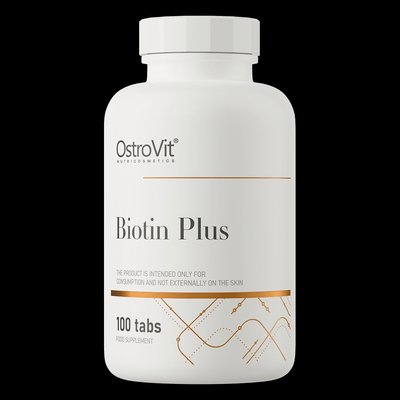 OstroVit Biotin Plus€6.90 In stock 100tabs delivers biotin alongside complementary B vitamins. Browse the full range at maxfit.ee/en/category/nahale-juustele-ja-kuuntele.
References
- Shigemura, Y., Kubomura, D., Sato, Y., & Sato, K. (2018). Dose-dependent changes in the levels of free and peptide forms of hydroxyproline in human plasma after collagen hydrolysate ingestion. Food Chemistry, 252, 68-75.
- Almohanna, H. M., Ahmed, A. A., Tsatalis, J. P., & Tosti, A. (2019). The role of vitamins and minerals in hair loss: a review. Dermatology and Therapy, 9(1), 51-70. https://pubmed.ncbi.nlm.nih.gov/30547302/
- Hexsel, D., Zague, V., Schunck, M., Siega, C., Camozzato, F. O., & Oesser, S. (2017). Oral supplementation with specific bioactive collagen peptides improves nail growth and reduces symptoms of brittle nails. Journal of Cosmetic Dermatology, 16(4), 520-526. https://pubmed.ncbi.nlm.nih.gov/28786550/
FAQ
How long before I see results from skin, hair, and nails supplements?
Hair growth cycles and collagen deposition are slow biological processes. Most clinical trials showing positive effects run for 8-12 weeks or longer. Expecting visible changes within two to three weeks is unrealistic. Be consistent and evaluate results at the two to three month mark.
Can I take collagen and biotin at the same time?
Yes, they act through different mechanisms and there are no known interactions. Collagen peptides contribute amino acids for structural proteins; biotin supports enzymatic reactions in keratin synthesis. Taking them together is common and reasonable.
Does high biotin intake affect lab tests?
Yes, and this is clinically important. High-dose biotin (doses commonly found in hair supplement products) can interfere with certain immunoassay-based laboratory tests including thyroid function tests, troponin, and sex hormone levels, producing false results. Inform your doctor if you supplement with biotin before any blood tests.



