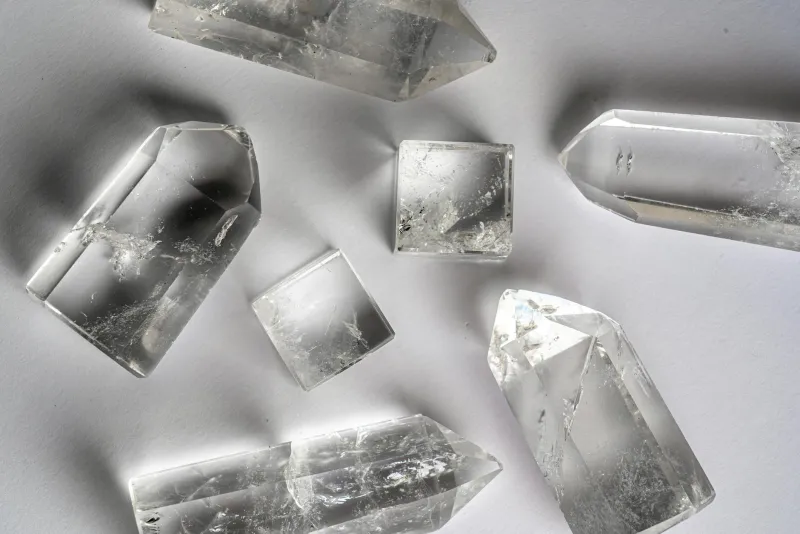
Silicon Interactions: Drugs, Nutrients & Foods
Dietary silicon, typically consumed as orthosilicic acid from food and supplements, plays a role in the formation of collagen and bone matrix. While silicon interactions with drugs are relatively understudied compared with other minerals, several key considerations are clinically relevant for supplement users.
Drug Interactions
Aluminium-Containing Antacids
Aluminium and silicon can interact in the gastrointestinal tract. Silicon, particularly as orthosilicic acid, may reduce aluminium absorption by forming aluminium silicates. This interaction is generally considered beneficial in the context of reducing aluminium body burden, but it also means silicon supplements should be separated from aluminium-containing medications by at least one hour.
Diuretics
Thiazide diuretics increase urinary silicon excretion in some contexts. Individuals on long-term thiazide therapy may benefit from dietary attention to silicon intake, though clinical significance is not firmly established.
Bisphosphonates for Bone Health
Bisphosphonates such as alendronate are frequently used for osteoporosis. Silicon and bisphosphonates should not be taken simultaneously, as the mineral could theoretically interfere with bisphosphonate absorption. A morning gap of at least thirty minutes to one hour is advisable.
Nutrient Competition and Synergy
Calcium and Bone Matrix
Silicon and calcium work together in bone mineralisation. Silicon is associated with the early phase of bone formation, while calcium consolidates the matrix (Jugdaohsingh, 2007). Combining silicon-rich foods or supplements with OstroVit Vitamin D3 + K2 + Calcium 90tabs addresses multiple components of bone health simultaneously.
Magnesium
Silicon and magnesium do not appear to compete significantly for absorption. They are complementary for musculoskeletal support and can be taken together without known interference.
Collagen Cofactors
Silicon is thought to contribute to collagen cross-linking. Pairing a silicon supplement with MST Collagen for joints Fortigel 500ml Ananass and vitamin C may provide complementary support for connective tissue, as each acts at different steps of collagen biosynthesis.
Food Effects
Silicon is found in high amounts in whole grains, oats, bananas, root vegetables, and drinking water in certain regions. Refining grains substantially reduces their silicon content. Beer and mineral water are notable dietary silicon sources in European populations. High-fibre plant foods tend to be better silicon providers than processed or animal-derived foods.
Who Must Be Cautious
- Patients on aluminium-containing antacids: separate silicon by at least one hour.
- Individuals on bisphosphonate therapy: discuss silicon supplementation with your prescriber.
- People with kidney disease: silicon is primarily excreted renally; those with impaired kidney function should be cautious with any mineral supplement.
- Those with silica dust exposure (occupational): dietary silicon supplements differ from industrial silica; consult a physician if uncertain.
Practical Rules
- Take silicon supplements with water between meals.
- Separate from aluminium-containing antacids and bisphosphonates by at least one to two hours.
- Pair with collagen and vitamin C for connective tissue support.
- Prioritise whole-grain and plant-based foods as primary silicon sources.
- Explore joint and connective tissue supplements at maxfit.ee.
FAQ
Does silicon improve hair and nails?
Silicon has been associated with connective tissue quality in observational studies, and some cosmetic supplement formulations include it for hair and nail claims. Controlled clinical evidence remains limited; quality collagen and biotin supplements have stronger support for these outcomes.
Is there a risk of silicon toxicity from supplements?
Orthosilicic acid supplements are generally considered low-risk at typical supplement doses. High-dose crystalline silica inhalation (an occupational hazard) is a separate concern unrelated to oral dietary supplementation.
Can silicon be taken with zinc?
No known significant interaction between oral silicon and zinc supplementation has been reported. Both may be taken together without concern for most healthy individuals.
Silicon in Sports and Exercise Contexts
For athletes and active individuals, silicon takes on particular relevance in the context of connective tissue support. Repeated mechanical loading of joints, tendons, and ligaments creates ongoing demand for collagen turnover. Silicon's role in collagen cross-linking and glycosaminoglycan synthesis means that adequate dietary silicon may support the repair processes that follow exercise-induced tissue micro-damage.
Whole oats — a staple in many sports nutrition plans — are among the richest dietary silicon sources in European diets. An athlete eating oatmeal daily is already consuming meaningful amounts of dietary silicon in a well-absorbed form. Supplemental silicon may be most relevant for those with low whole-grain intake or who are specifically targeting connective tissue recovery.
Bioavailability Differences Between Forms
Not all silicon supplements are equally bioavailable. Silicon in food occurs mainly as polymeric silica, which is poorly absorbed. Orthosilicic acid (the monomeric, soluble form) is the most bioavailable form and is absorbed efficiently in the small intestine. Colloidal silica and silicon dioxide (the form used in many food additives) have intermediate bioavailability. Choline-stabilised orthosilicic acid, found in some specialty supplements, has been specifically studied for bioavailability in humans (Jugdaohsingh, 2007).
When choosing a silicon supplement, the form matters. Liquid orthosilicic acid preparations or choline-stabilised forms generally offer superior absorption compared to silicon dioxide capsules.
Skin, Hair, and Nail Support
Silicon is a component of connective tissue throughout the body, including the dermis, hair follicles, and nail beds. Some research associates higher silicon intake with improved skin elasticity and reduced brittleness of hair and nails. These effects are plausible given silicon's structural role, but clinical evidence from large, well-controlled trials in humans is limited. Product claims in this area should be treated with appropriate scepticism — quality collagen and biotin supplements have a stronger evidence base for visible hair and nail outcomes.
Nonetheless, silicon is often included in beauty supplement formulations. Combining it with collagen, vitamin C, and zinc creates a broad connective tissue support protocol that addresses multiple biosynthesis steps simultaneously.
Practical Application Summary
For most healthy adults eating a varied diet that includes whole grains and plant foods, dietary silicon intake from food is likely adequate. Supplementation may be considered by:
- Individuals with very low whole-grain intake
- Those specifically targeting joint and connective tissue recovery
- People with conditions associated with silicon metabolism
Browse connective tissue and joint supplements at maxfit.ee.
Interaction Summary Table
| Substance | Interaction Type | Recommendation |
|---|---|---|
| Aluminium antacids | Reduces aluminium absorption | Separate by 1+ hour |
| Bisphosphonates | Possible absorption interference | Separate by 30-60 min |
| Thiazide diuretics | May increase urinary Si excretion | Monitor intake |
| Calcium + Vitamin D | Complementary for bone | Can combine |
| Collagen supplements | Synergistic for connective tissue | Can combine |
| Magnesium | No significant competition | Can combine |
Dietary Strategy for Silicon Sufficiency
For most Europeans, whole oats are the most practical and palatable silicon source. A typical serving of cooked oats provides a meaningful contribution to daily silicon intake in a well-absorbed form. Other practical sources include:
- Whole grain bread and cereals: opt for stone-ground or minimally processed varieties
- Bananas: convenient and rich in silicon relative to other fruits
- Root vegetables: potatoes, carrots, and beetroot contain moderate silicon
- Mineral water: in regions with silicon-rich aquifers, mineral water can be a significant source
- Green beans and legumes
Refining removes silicon from grains, so switching from white bread to whole grain varieties can meaningfully increase dietary silicon without any supplementation. For joint health and connective tissue support, this dietary approach, combined with adequate collagen from food or supplements and vitamin C, covers multiple bases.
Explore joint support supplements at maxfit.ee.
References
Jugdaohsingh, R. (2007). Silicon and bone health. Journal of Nutrition, Health & Aging, 11(2), 99-110. https://pubmed.ncbi.nlm.nih.gov/17435952/
Carlisle, E. M. (2003). Silicon as a trace nutrient. Science of the Total Environment, 73(1-2), 95-106.
Martini, L. A., & Wood, R. J. (2002). Relative bioavailability of calcium-rich dietary sources in humans. American Journal of Clinical Nutrition, 76(6), 1345-1350. https://pubmed.ncbi.nlm.nih.gov/12450902/



