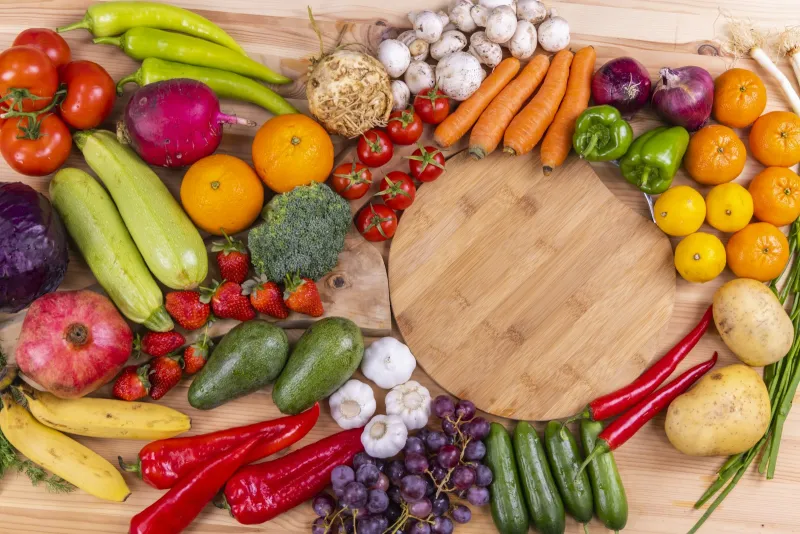
Natural Food Sources of Silicon
Silicon — in its dietary form, orthosilicic acid — is a trace element found widely in plant foods, drinking water, and certain beverages. Though not classified as an essential nutrient with an established recommended daily intake in most jurisdictions, silicon has attracted research interest for its potential role in bone mineralisation, collagen synthesis, and connective tissue integrity.
For those interested in supporting joint, bone, and skin health through diet, understanding silicon food sources is a practical starting point.
Top Food Sources of Silicon
Whole Grains
Whole grains are consistently among the richest silicon food sources. Oats, barley, rice bran, and whole wheat contain the mineral in the outer bran layers. Refined white grains lose much of their silicon content because the processing removes the bran. Among cereals, oat bran is particularly concentrated in silicon compared to other grain fractions.
Root Vegetables
Jerusalem artichokes, green beans, and beetroot are among vegetables with notable silicon content. Root vegetables grown in silica-rich soils can accumulate relatively higher concentrations.
Bananas
Bananas are frequently cited as a fruit with a comparatively high silicon content. They provide silicon in a form that is reasonably absorbable compared to the tightly bound silicon in cereal bran (Jugdaohsingh et al., 2002).
Drinking Water
Drinking water can be a meaningful silicon source depending on the geological source of the water. Hard water from limestone aquifers often contains silica. In some populations, drinking water contributes a notable fraction of total dietary silicon intake (Jugdaohsingh et al., 2002).
Beer
Beer — particularly ales brewed from hops and malted barley — is one of the most concentrated silicon-containing beverages. Orthosilicic acid in beer is highly bioavailable. Research has found that beer consumption is associated with silicon intake and that this source accounts for a meaningful proportion of total dietary silicon in beer-drinking populations (Casey et al., 2010). This is noted for completeness, not as a health recommendation.
Green Beans and Legumes
Green beans, soybeans, and other legumes provide silicon alongside their protein and mineral content.
Bioavailability from Food vs Supplement
The bioavailability of silicon from food sources varies considerably depending on the food matrix. Silicon in plant foods exists largely as polymeric silica tightly bound to the cell wall — this form is poorly absorbed. Silicon from high-water-content foods such as vegetables and fruits, or from beverages such as water and beer, tends to be present as orthosilicic acid (Si(OH)4), which is more readily absorbed (Jugdaohsingh et al., 2002).
Research has estimated that silicic acid from beverages is more bioavailable than silicon bound in cereal fibre. This means that drinking a glass of mineral water or eating a banana may contribute more absorbable silicon than eating a serving of oat bran, even if the oat bran contains more silicon by weight.
Silicon supplements often use orthosilicic acid stabilised on a choline carrier (ch-OSA) or colloidal silica. The choline-stabilised orthosilicic acid form has been studied in clinical settings for hair and nail outcomes.
Daily Targets from Diet
There is no established recommended daily allowance for silicon. Dietary surveys in European populations have estimated average dietary silicon intakes in the range of twenty to fifty milligrams per day, with significant variation based on diet composition. Higher intakes are observed in diets rich in plant foods, whole grains, and certain beverages (Jugdaohsingh et al., 2002).
No tolerable upper intake level for dietary silicon has been established, as no adverse effects from food-derived silicon have been documented in healthy populations.
Cooking and Storage Effects
Cooking can affect silicon content in foods through two main pathways:
- Leaching into cooking water. Boiling vegetables causes some silicon to leach into the water. Using the cooking water in soups or sauces recovers this silicon.
- Milling and processing. As noted, refining grains removes the bran — where most silicon is concentrated — substantially reducing the mineral content of white flour and white rice compared to whole grain versions.
Silicon is stable across typical storage conditions. It is not subject to oxidative degradation or light sensitivity.
When Food Sources Are Not Enough
For most people eating a plant-rich diet with whole grains, vegetables, and fruit, dietary silicon intake is likely adequate for general health. Situations where supplementation might be considered include:
- Diets dominated by refined grains with low vegetable and fruit intake
- Specific interest in connective tissue and skin support, where higher and more consistent silicon delivery may be sought
- Athletes with high collagen and bone turnover who want to ensure adequate micronutrient support across all relevant minerals
Collagen and joint support products at maxfit.ee often combine silicon with collagen, glucosamine, and other connective tissue nutrients, offering a practical way to address multiple needs simultaneously.
FAQ
Is silicon the same as silica?
Silica is silicon dioxide (SiO2) — the most common silicon compound in nature. In a dietary context, the biologically relevant form is orthosilicic acid (Si(OH)4), which is soluble silicon. Silica in food is generally the insoluble form in plant cell walls; its bioavailability is low. Supplement labels may use silicon, silica, or orthosilicic acid depending on the form used.
Does silicon in diet actually support bones and skin?
Research has associated silicon intake with bone mineral density and collagen synthesis in observational studies, and some intervention studies suggest a positive effect on nail and hair quality. The evidence base is growing but not yet at the level of well-established minerals like calcium or magnesium. Claims for bone and skin benefits should be treated as promising but not conclusive.
Which drink is highest in silicon?
Among common beverages, beer made from barley and hops tends to contain a high concentration of bioavailable orthosilicic acid (Casey et al., 2010). Among non-alcoholic options, some mineral waters contain meaningful silicon content depending on the source.
References
Jugdaohsingh, R., Anderson, S. H., Tucker, K. L., Elliott, H., Kiel, D. P., Thompson, R. P., & Powell, J. J. (2002). Dietary silicon intake and absorption. American Journal of Clinical Nutrition, 75(5), 887-893. https://pubmed.ncbi.nlm.nih.gov/11976163/
Casey, T. R., & Bamforth, C. W. (2010). Silicon in beer and brewing. Journal of the Science of Food and Agriculture, 90(5), 784-788. https://pubmed.ncbi.nlm.nih.gov/20355113/



