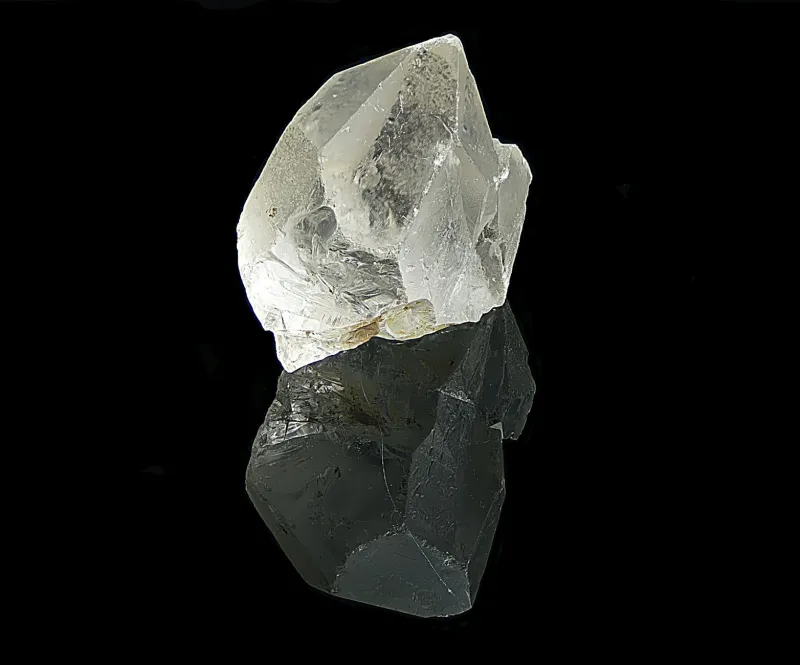
What Is Silicon and Why Does It Matter?
Silicon (Si) is the second most abundant element in the Earth's crust and is present in the human body primarily as silicic acid (orthosilicic acid, H₄SiO₄). Though required only in trace amounts, silicon plays an important role in several tissue structures, including bone, cartilage, connective tissue, skin, and hair (Jugdaohsingh, 2007).
Researcher interest in silicon as a dietary supplement has grown, particularly around its role in collagen synthesis, bone mineralisation, and skin elasticity.
How Silicon Works
Collagen Synthesis
Silicon is a cofactor of prolyl hydroxylase — the same enzyme that requires vitamin C to form collagen. Silicon deficiency reduces collagen production in animal models and impairs connective tissue formation (Jugdaohsingh, 2007).
Bone Health Support
Silicon is an important component of bone mineralisation, stabilising the incorporation of calcium and phosphorus into the bone crystal lattice. Studies show that low silicon intake is associated with lower bone density (Jugdaohsingh et al., 2004).
Glycosaminoglycan Synthesis
Silicon stimulates the synthesis of glycosaminoglycans (hyaluronic acid, chondroitin sulfate) in cartilage, supporting cartilage elasticity and water content.
Skin and Hair Health
Keratin and elastin structure partly depend on cross-linking mechanisms in which silicon participates. Some studies indicate that silicon may improve hair tensile strength, increase skin thickness, and reduce brittle nails (Wickett et al., 2007).
Food Sources
Silicon is obtained primarily through food:
| Food | Silicon Content |
|---|---|
| Beer | 10–40 mg/500 ml |
| Oats | 20–40 mg/100 g |
| Brown rice | 10–15 mg/100 g |
| Bananas | 5–6 mg/100 g |
| Green beans | 4–6 mg/100 g |
| Silicon-rich mineral water | 10–30 mg/L |
Bioavailability depends on the source — plant sources, especially oats, are well absorbed. Animal sources offer lower bioavailability.
Supplement Forms
Silicon appears in supplements as:
- Colloidal silicon dioxide (SiO₂): often poorly absorbed powder form
- Orthosilicic acid (OSA): liquid or stabilised tablet form with high bioavailability
- Horsetail (Equisetum arvense) extract: plant-based form with reasonably good bioavailability
In bioavailability studies, orthosilicic acid (OSA) and horsetail extract show the best absorption profiles.
Clinical Evidence
Jugdaohsingh et al. (2004) in a large population study found that men and premenopausal women with higher silicon intake had significantly greater hip bone mineral density.
Wickett et al. (2007) in a randomised trial showed that 10 mg OSA daily for 9 months improved hair tensile strength and thickness and reduced hair brittleness.
Barel et al. (2005) found that 10 mg OSA daily for 20 weeks improved skin thickness, microrelief, and skin elasticity versus placebo.
Dosing and Safety
Dietary silicon intake in adults typically falls between 20–50 mg per day. Supplement dosing:
- Horsetail extract: 150–300 mg standardised extract per day
- OSA (orthosilicic acid): 10–15 mg per day
Silicon is generally well tolerated. Food-sourced silicon is extremely unlikely to cause excess. Nano-form silicon dioxide dust in large quantities raises industrial safety concerns, but this is not relevant to dietary supplement forms.
At maxfit.ee, ICONFIT Capsules Beauty N90 and MST Skin & Beauty Formula 60 capsules support skin and connective tissue, while 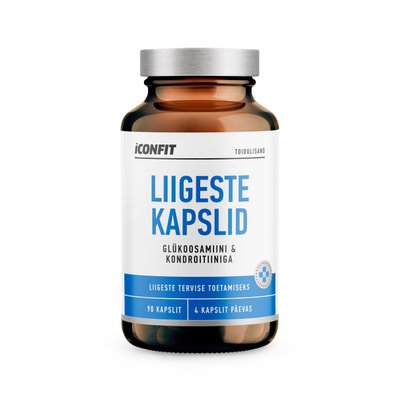 ICONFIT Capsules Joint€15.90 In stock 90 targets joint-specific nutrition including key connective tissue actives.
FAQ
Can silicon help prevent osteoporosis?
Silicon is a cofactor in bone mineralisation, but it does not replace calcium and vitamin D as the primary bone health supports. Silicon may be a useful complementary addition, especially when bone density is trending downward.
Is oats the best natural silicon source?
Oats are among the richest and most bioavailable silicon food sources. Regular consumption of oats may be sufficient to meet optimal silicon intake for many adults.
Are silicon and silicone the same thing?
No. Silicon (Si) is a chemical element found in nature. Silicone is a synthetic polymer (polysiloxane) used industrially. Silicon dioxide (SiO₂) is the oxide form used in supplements. These are chemically distinct compounds.
References
- Jugdaohsingh, R. (2007). Silicon and bone health. Journal of Nutrition, Health & Aging, 11(2), 99–110.
- Jugdaohsingh, R., et al. (2004). Dietary silicon intake is positively associated with bone mineral density in men and premenopausal women. Journal of Bone and Mineral Research, 19(2), 297–307.
- Wickett, R. R., et al. (2007). Effect of oral intake of choline-stabilized orthosilicic acid on hair tensile strength and morphology in women with fine hair. Archives of Dermatological Research, 299(10), 499–505.
- Barel, A., et al. (2005). Effect of oral intake of choline-stabilized orthosilicic acid on skin, nails and hair in women with photodamaged skin. Archives of Dermatological Research, 297(4), 147–153.



