Dark Chocolate for Athletes: Flavanols, Recovery, and What Science Says
If someone told you that chocolate could improve your training results, it would sound too good to be true. But over the past decade, researchers have increasingly confirmed that cocoa flavanols — bioactive compounds found in minimally processed cacao beans — genuinely affect blood flow, oxygen delivery to muscles, and recovery speed.
This guide is for athletes and active people who want to understand whether adding dark chocolate to their diet has a scientific basis — and how to do it practically.
TL;DR
- Cocoa flavanols boost nitric oxide (NO) production and improve blood flow (Schroeter et al., 2006)
- 40 g of dark chocolate daily improved oxygen efficiency in cyclists (Patel et al., 2015)
- Flavanols reduce oxidative stress after intense exercise (Davison et al., 2012)
- Effects begin at ~200 mg flavanols per day — roughly 30–50 g of quality dark chocolate
- Milk chocolate and heavily processed cocoa do not deliver the same benefit
Why Should Athletes Care About Chocolate?
The problem: many athletes consume L-arginine-based supplements to improve blood flow before training, yet overlook one of the best-studied natural NO boosters — cocoa flavanols.
Cocoa flavanols, particularly (-)-epicatechin, stimulate endothelial nitric oxide synthase (eNOS), which dilates blood vessels and improves blood flow to working muscles (Schroeter et al., 2006). This mechanism is similar to what people seek from beetroot juice and L-citrulline supplements.
How Cocoa Flavanols Work
The Nitric Oxide Pathway
Flavanols activate eNOS in vascular endothelial cells, increasing NO production. The result: blood vessels dilate, blood pressure drops, and muscles receive more oxygen during exercise (Heiss et al., 2010).
Reducing Oxidative Stress
Intense training generates free radicals. Cocoa polyphenols neutralize them directly and also upregulate the body's own antioxidant enzyme activity (Davison et al., 2012). This does not mean you should suppress all inflammation — moderate oxidative stress is part of training adaptation — but chronically high levels slow recovery.
Insulin Sensitivity
Grassi et al. (2005) showed that 15 days of dark chocolate consumption improved insulin sensitivity and lowered blood pressure. For athletes, better insulin sensitivity means more efficient glycogen replenishment after training.
Specific Studies for Athletes
| Study | Protocol | Outcome |
|---|---|---|
| Patel et al., 2015 | 40 g dark chocolate/day for 2 weeks, cyclists | Improved gas exchange threshold, reduced oxygen cost at submaximal load |
| Allgrove et al., 2011 | 40 g dark chocolate before cycling | Reduced oxidative stress markers, maintained immune function |
| Davison et al., 2012 | 100 g dark chocolate before 2.5h cycling | Lower oxidized LDL levels post-exercise |
Important nuance: these studies typically used chocolate containing at least 70% cocoa. Milk and white chocolate do not produce the same results.
Practical Playbook: How to Use Dark Chocolate
- Choose the right chocolate — at least 70% cocoa content. Ideally 85%+ if the taste works for you
- Dose — 30–50 g per day (roughly 200–400 mg flavanols). More is not necessarily better
- Timing — 1–2 hours before training for blood flow support OR after training for recovery
- Avoid high-heat processing — melting chocolate at high temperatures destroys flavanols
- Combine with training nutrition — add cacao nibs to smoothies or eat alongside post-workout meals
What Not to Do
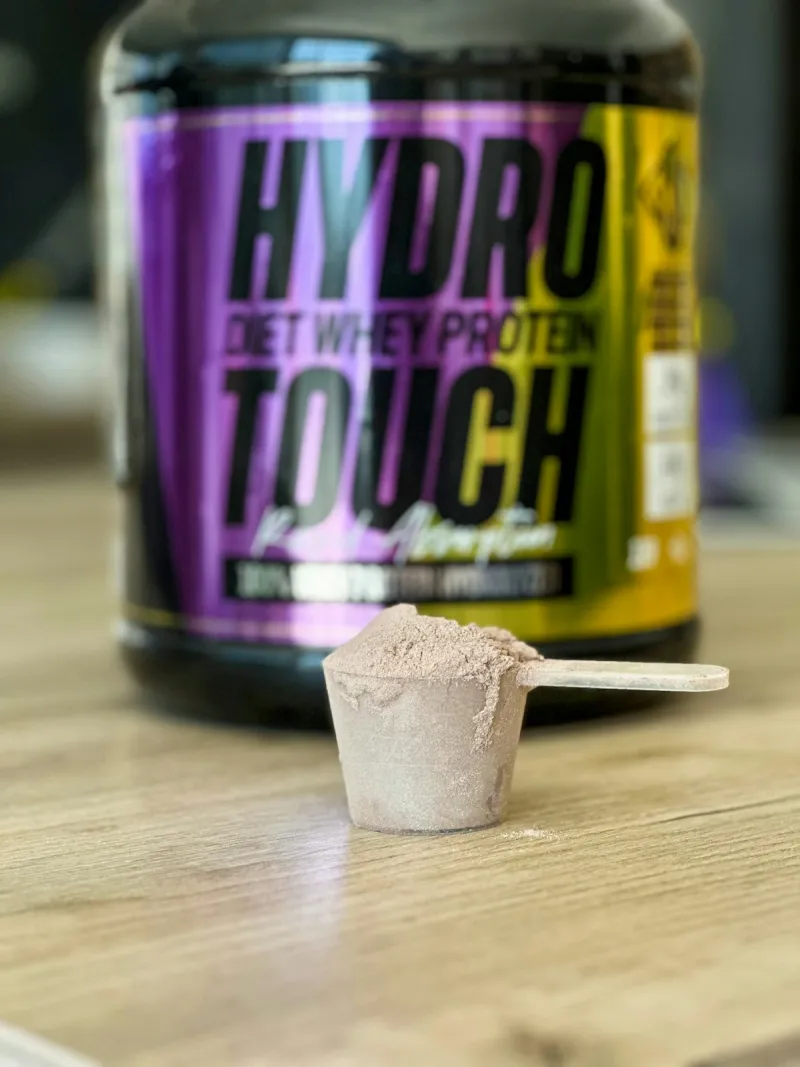
- Do not replace dark chocolate with chocolate-flavored protein shakes — processed cocoa powder contains significantly fewer flavanols
- Do not expect miracles — the effect is moderate, similar to L-citrulline supplementation
- Do not exceed 50 g per day — chocolate also contains saturated fat and calories
Dark Chocolate vs Cocoa Supplements
| Property | Dark Chocolate (85%) | Raw Cocoa Powder | Cocoa Extract Capsule |
|---|---|---|---|
| Flavanols per serving | 100–250 mg (30g) | 200–400 mg (10g) | 200–500 mg |
| Calories | ~170 kcal (30g) | ~40 kcal (10g) | ~5 kcal |
| Convenience | High | Medium | High |
| Taste | Enjoyable | Bitter | None |
| Monthly cost | €10–20 | €5–15 | €10–25 |
If you track calories strictly, a cocoa extract may be more practical. But if the enjoyment factor matters — and for athletes it is an important motivator — quality dark chocolate is a perfectly reasonable choice.
Common Mistakes
- Eating milk chocolate as a "healthy" choice — milk proteins block flavanol absorption (Serafini et al., 2003), and the added sugar negates the benefits
- Using Dutch-processed (alkalized) cocoa — the alkalizing process destroys up to 90% of flavanols
- Overdoing the dose — 100 g of dark chocolate per day is already ~550 kcal. Use in moderation
- Ignoring flavanol content — not all 70% chocolate is equal. Look for brands that disclose flavanol levels
Frequently Asked Questions
Does dark chocolate before training really help?
Yes, but the effect is moderate. Patel et al. (2015) found that 2 weeks of 40 g daily dark chocolate improved submaximal performance in cyclists. It will not replace proper pre-workout nutrition, but can be a useful addition.
How many flavanols do I need?
Most studies used 200–900 mg of flavanols per day. A practical target is 200–400 mg, achievable from 30–50 g of quality dark chocolate.
Are cacao nibs better than a chocolate bar?
Cacao nibs are minimally processed and retain more flavanols, but they taste very bitter. Quality dark chocolate is a good compromise between taste and nutritional value.
Will chocolate disrupt sleep if eaten in the evening?
Dark chocolate contains theobromine and small amounts of caffeine (~25 mg caffeine in 30 g of 85% chocolate). Caffeine-sensitive individuals should avoid chocolate 4–6 hours before bed.
Does chocolate-flavored protein powder give the same benefits?
No. Chocolate-flavored protein uses heavily processed cocoa powder. Flavanol content is minimal. Consume dark chocolate separately.
Estonia-Specific Notes
In Tallinn and Tartu, the selection of dark chocolate in stores is fairly good — Lindt Excellence 85% and Fazer Dark are readily available. However, most manufacturers do not disclose flavanol content on the label, which makes informed choices harder. MaxFit's selection includes cocoa-based products with transparent ingredient profiles.
During Estonia's long, dark winters, the theobromine and flavanols in dark chocolate are particularly beneficial — theobromine improves mood while flavanols support circulation, something that tends to be overlooked when daylight hours are short.
References
- Schroeter, H., Heiss, C., Balzer, J., Kleinbongard, P., Keen, C.L., Hollenberg, N.K., Sies, H., Kwik-Uribe, C., Schmitz, H.H. & Kelm, M. (2006). (-)-Epicatechin mediates beneficial effects of flavanol-rich cocoa on vascular function in humans. Proceedings of the National Academy of Sciences, 103(4), 1024–1029.
- Patel, R.K., Brouner, J. & Spendiff, O. (2015). Dark chocolate supplementation reduces the oxygen cost of moderate intensity cycling. Journal of the International Society of Sports Nutrition, 12, 47.
- Davison, G., Callister, R., Williamson, G., Cooper, K.A. & Gleeson, M. (2012). The effect of acute pre-exercise dark chocolate consumption on plasma antioxidant status, oxidative stress and immunoendocrine responses to prolonged exercise. European Journal of Nutrition, 51(1), 69–79.
- Allgrove, J., Farrell, E., Gleeson, M., Williamson, G. & Cooper, K. (2011). Regular dark chocolate consumption's reduction of oxidative stress and increase of free-fatty-acid mobilization in response to prolonged cycling. International Journal of Sport Nutrition and Exercise Metabolism, 21(2), 113–123.
- Grassi, D., Lippi, C., Necozione, S., Desideri, G. & Ferri, C. (2005). Short-term administration of dark chocolate is followed by a significant increase in insulin sensitivity and a decrease in blood pressure in healthy persons. American Journal of Clinical Nutrition, 81(3), 611–614.
- Heiss, C., Kleinbongard, P., Dejam, A., Perre, S., Schroeter, H., Sies, H. & Kelm, M. (2010). Acute consumption of flavanol-rich cocoa and the reversal of endothelial dysfunction in smokers. Journal of the American College of Cardiology, 46(7), 1276–1283.
- Serafini, M., Bugianesi, R., Maiani, G., Valtuena, S., De Santis, S. & Crozier, A. (2003). Plasma antioxidants from chocolate. Nature, 424(6952), 1013.
See also:
- Krepid: Complete Guide 2026
- Silica Supplements: Bones, Hair, Skin, and What the Research Shows
- Weightlifting Belt Guide: When to Use, How to Choose, and Common Mistakes
Browse cocoa-based products at MaxFit.ee →
See also: