Selenium Timing: Why It Matters
Selenium is an essential trace mineral that acts as a cofactor for antioxidant enzymes (glutathione peroxidases), supports thyroid hormone metabolism, and plays a role in immune function and DNA synthesis. As with other minerals, timing influences absorption, interactions with other nutrients, and consistency of supplementation.
With or Without Food?
Selenium absorbs better with food. Food-bound selenium (selenomethionine from natural sources) is absorbed synergistically with amino acids. Organic selenium in supplements (selenomethionine capsules) also absorbs well with food — digestive enzyme activity is higher when the stomach is active.
Taking it on an empty stomach may cause nausea in some individuals. Taken with meals, gastrointestinal tolerability is better.
Best Time of Day
With Breakfast — the Recommended First Choice
Morning with breakfast is the preferred time for most selenium users. Thyroid hormone studies generally use daytime dosing, aligned with the diurnal variation in thyroid activity.
A morning routine also makes it easier to maintain consistency — regularity is important for selenium's long-term benefits (antioxidant protection, immune function).
Evening
Evening selenium is also effective. Some people prefer this timing because they also take other vitamins and minerals in the evening. From a compatibility standpoint — particularly with vitamin D, zinc, and vitamin E — a shared evening routine can be convenient.
With Thyroid Conditions
People with hypothyroidism who take thyroid hormone (levothyroxine) need to be especially careful about timing: selenium supplements should be taken at least 4 hours after levothyroxine, as minerals can interfere with the medication's absorption.
Single vs. Split Dose
Selenium is a micronutrient with small recommended daily amounts. Most supplements contain 100–200 mcg per tablet — this is already an appropriate single-dose quantity. A split dose is not typical or directly necessary for selenium.
Important: Selenium has a strict upper limit. Excessive intake (over 400 mcg daily for adults) can cause selenosis — toxicity with symptoms such as hair loss, brittle nails, and neurological signs. Never exceed the recommended dose.
Interactions Affecting Timing
Vitamin E: Selenium and vitamin E work cooperatively in the antioxidant system. Taking them together has a synergistic effect on reducing oxidative stress.
Iodine: Selenium is essential for iodine metabolism in the thyroid gland. Iodine and selenium deficiencies both being present is an important issue in Nordic countries, where intake of both elements can be low.
Zinc: Taking zinc and selenium together is logical for immune support — but large zinc doses taken simultaneously may compete with selenium absorption in the gut. If needed, take at different times.
Vitamin C: High vitamin C doses can theoretically affect absorption of inorganic selenium (selenate, selenite). With organic selenium (selenomethionine) this is not an issue.
Products at MaxFit.ee
Selenium supplements at maxfit.ee: OstroVit Selen Selenomethionine 220tabs (organic selenomethionine, good bioavailability), 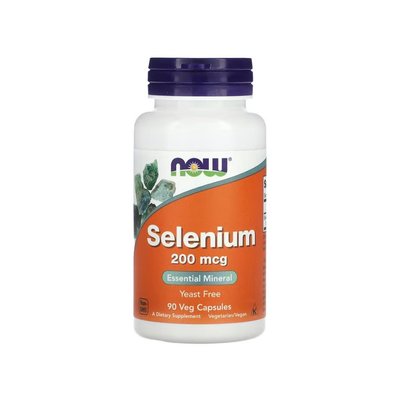 NOW Selenium 200mcg€11.90 In stock 180 veg. caps., and NOW Selenium 200mcg 90 veg. caps. — all suitable for daily use.
Practical Schedule
| Goal | Best time | With food? | Notes |
|---|---|---|---|
| Thyroid support | Morning | Yes | Separate from levothyroxine (4 h) |
| Immunity | Morning or evening | Yes | With zinc and vitamin E |
| Antioxidant protection | Morning | Yes | With vitamin E |
FAQ
How many micrograms of selenium is optimal per day?
Recommended daily intakes vary by authority but generally fall in the range of 55–70 mcg per day for adults. Supplements commonly provide 100–200 mcg doses, which is a safe range for most people. Do not exceed 400 mcg daily.
Does selenium help with thyroid disease?
Selenium is essential for thyroid hormone conversion (T4 to T3). Research suggests selenium use in the context of Hashimoto's thyroiditis may help modestly reduce autoimmune activity (Toulis et al., 2010). It does not replace thyroid disease treatment.
Is a selenium supplement necessary with a normal diet?
This depends on diet and region. In Northern Europe, including Estonia, soils are selenium-poor, meaning local food contains less selenium than, for example, food grown in the US. People living in Estonia may therefore need supplementation more often than those in other regions.
References
- Toulis, K.A. et al. (2010). Selenium supplementation in the treatment of Hashimoto's thyroiditis: a systematic review and a meta-analysis. Thyroid, 20(10), 1163–1173. https://pubmed.ncbi.nlm.nih.gov/20883174/
- Rayman, M.P. (2012). Selenium and human health. The Lancet, 379(9822), 1256–1268. https://pubmed.ncbi.nlm.nih.gov/22381456/



