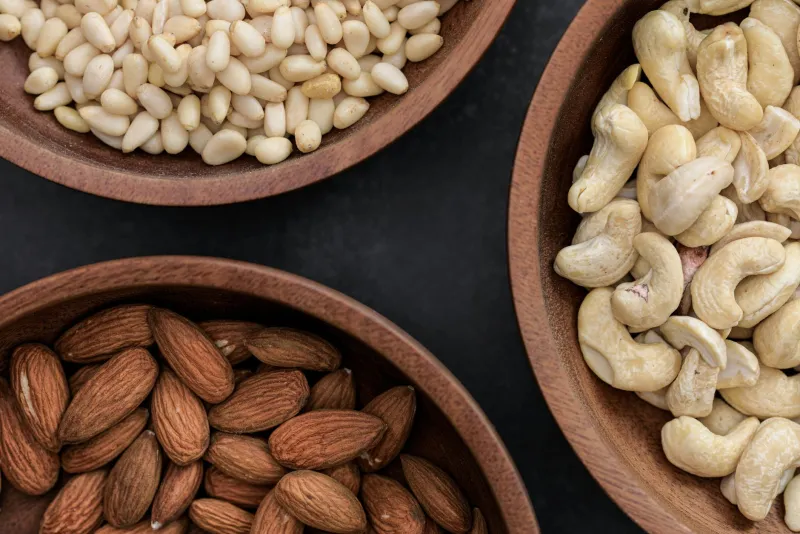
Selenium Myths vs Facts: What the Evidence Actually Shows
Selenium is a trace mineral found in soil, water, and certain foods — Brazil nuts being the most concentrated source. It is genuinely essential: your body cannot produce it and you need it for selenoproteins that regulate thyroid function, antioxidant defence, and immune responses. But around this essential nutrient, a cloud of selenium myths has formed that ranges from "cures cancer" to "more is always better." Let us examine what the research actually supports.
Common Myths About Selenium
Myth 1: Selenium Prevents Cancer
This is the most consequential selenium myth, and it has a complicated history. The original excitement came from the Nutritional Prevention of Cancer (NPC) trial in the 1990s, which suggested selenium supplementation might reduce prostate cancer incidence. However, the landmark Selenium and Vitamin E Cancer Prevention Trial (SELECT), a large randomised controlled trial by Lippman et al. (2009) involving over 35,000 men, found that selenium supplementation did not prevent prostate cancer and, in a subset, was associated with increased risk of high-grade cancer.
The SELECT trial essentially refuted the cancer-prevention narrative for supplementation in populations already meeting their selenium needs. The lesson: selenium deficiency may increase cancer risk, but supplementation beyond adequacy does not further reduce it — and may cause harm at high doses.
Myth 2: More Selenium Is Always Better
Selenium has one of the narrowest therapeutic windows of any essential mineral. The tolerable upper intake level for adults is around 400 micrograms per day (a regulatory guideline, not for citation here). Chronic excess causes selenosis — characterised by hair loss, brittle nails, gastrointestinal disturbance, and in severe cases neurological symptoms. A prospective study by Labunskyy et al. (2011) reinforced that supraphysiological selenium levels impair rather than enhance health outcomes.
Many people in Northern Europe, including Estonia, have lower selenium intakes due to selenium-poor soils, making adequate supplementation sensible. But "adequate" is the operative word.
Myth 3: Selenium Supplementation Reliably Treats Thyroid Disease
Selenium is required for the enzymes that convert thyroid hormones (T4 to T3) and protect the thyroid from oxidative damage. Low selenium is associated with autoimmune thyroid conditions. A meta-analysis by Wichman et al. (2016) found that selenium supplementation reduced thyroid antibody levels in people with Hashimoto's thyroiditis. However, whether this reduction translates to meaningful clinical improvement in thyroid function remains debated. Selenium is supportive, not curative.
Myth 4: All Selenium Forms Are Equivalent
Selenomethionine (organic form) has higher bioavailability and longer half-life in the body than inorganic selenite. For supplementation, selenomethionine is generally preferred.
What the Evidence Actually Shows
Selenium's strongest evidence is in correcting deficiency. In populations with demonstrated low selenium status — including many in Northern and Eastern Europe — supplementation to adequate levels supports thyroid enzyme activity, antioxidant selenoprotein function, and immune competence (Duntas & Benvenga, 2015).
For athletes specifically, selenium is involved in glutathione peroxidase activity, which helps manage oxidative stress from intense training. Whether supplementation above adequacy provides additional benefit for athletes not already deficient is unproven.
Marketing Claims vs Reality
| Claim | Evidence Level |
|---|---|
| Prevents cancer in well-nourished adults | Refuted (Lippman et al., 2009) |
| Supports thyroid enzyme function when deficient | Well-supported |
| Reduces Hashimoto antibodies | Modest; meta-analysis (Wichman et al., 2016) |
| More is better | False; narrow therapeutic window |
| Antioxidant via selenoproteins | Mechanistically sound |
Grey Areas
The relationship between selenium status and cardiovascular outcomes is under active investigation. Some observational studies suggest a U-shaped curve — both deficiency and excess are associated with higher risk — but intervention trials have not consistently shown benefit from supplementation.
For people in selenium-poor regions like Estonia, checking dietary intake is worthwhile before supplementing. Brazil nuts provide highly variable selenium content and are not a reliable dosing tool.
Bottom Line
Selenium is essential and commonly under-consumed in Northern Europe. Supplementing to adequate levels makes sense, especially given selenium-poor Estonian soils. However, it does not cure cancer, it does not prevent disease in people already replete, and high doses are genuinely toxic. OstroVit Selen Selenomethionine 220tabs, 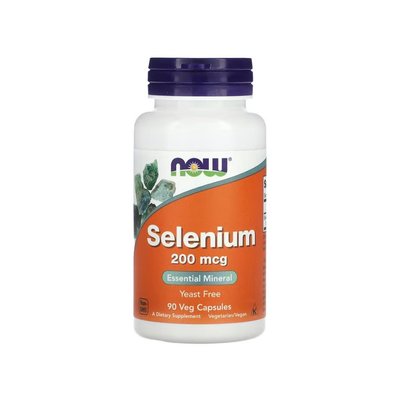 NOW Selenium 200mcg€11.90 In stock 180 veg. caps., and NOW Selenium 200mcg 90 veg. caps. provide selenomethionine at practical doses and are available at maxfit.ee.
FAQ
Does selenium prevent cancer?
Large randomised trials, including the SELECT study, found no cancer-prevention benefit from selenium supplementation in men with adequate selenium status. Deficiency correction may reduce cancer risk, but supplementation beyond adequacy does not.
What is the best form of selenium to take?
Selenomethionine has higher bioavailability than inorganic selenite and is the preferred form for supplementation.
Is selenium important for thyroid health?
Yes. Selenium-dependent enzymes are required for thyroid hormone activation. Low selenium is associated with autoimmune thyroid disease, and supplementation may reduce antibody levels in Hashimoto's thyroiditis, though clinical outcomes remain debated.
References
Lippman, S. M., Klein, E. A., Goodman, P. J., Lucia, M. S., Thompson, I. M., Ford, L. G., Parnes, H. L., Minasian, L. M., Gaziano, J. M., Hartline, J. A., Parsons, J. K., Bearden, J. D., Crawford, E. D., Goodman, G. E., Claudio, J., Winquist, E., Cook, E. D., Karp, D. D., Walther, P., ... Coltman, C. A. (2009). Effect of selenium and vitamin E on risk of prostate cancer and other cancers: the Selenium and Vitamin E Cancer Prevention Trial (SELECT). JAMA, 301(1), 39-51. https://pubmed.ncbi.nlm.nih.gov/19066370/
Wichman, J., Winther, K. H., Bonnema, S. J., & Hegedus, L. (2016). Selenium supplementation significantly reduces thyroid autoantibody levels in patients with chronic autoimmune thyroiditis: A systematic review and meta-analysis. Thyroid, 26(12), 1681-1692. https://pubmed.ncbi.nlm.nih.gov/27702392/
Duntas, L. H., & Benvenga, S. (2015). Selenium: an element for life. Endocrine, 48(3), 756-775. https://pubmed.ncbi.nlm.nih.gov/25519493/
Labunskyy, V. M., Hatfield, D. L., & Gladyshev, V. N. (2014). Selenoproteins: molecular pathways and physiological roles. Physiological Reviews, 94(3), 739-777. https://pubmed.ncbi.nlm.nih.gov/24987004/



