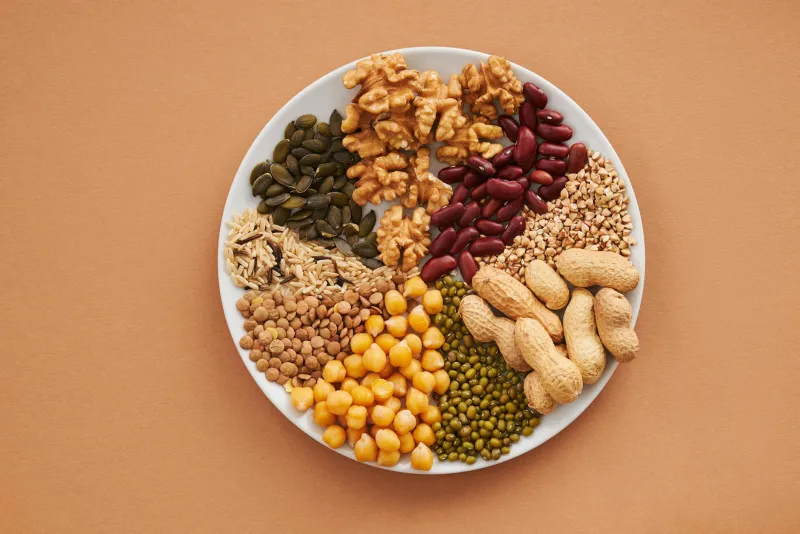
Selenium: Small Dose, Big Impact
Selenium is an essential trace mineral required in amounts as small as 55–70 micrograms per day. Despite this tiny dose, selenium is incorporated into at least 25 selenoproteins that regulate antioxidant defence, thyroid hormone metabolism, immune function, and DNA repair (Rayman, 2012).
European soils — including those across Estonia — are notably selenium-poor, making dietary intake unreliable without deliberate food choices or supplementation.
What Selenium Does in the Body
Thyroid Hormone Activation
The enzyme iodothyronine deiodinase — which converts inactive thyroid hormone T4 into the active form T3 — is a selenoprotein. Low selenium impairs this conversion, contributing to hypothyroid symptoms even when T4 production is normal. Multiple studies link selenium deficiency to Hashimoto's thyroiditis and autoimmune thyroid disease (Duntas, 2010).
Antioxidant Defence via Glutathione Peroxidase
Glutathione peroxidase (GPx) is among the body's most powerful antioxidant enzymes — and it requires selenium as a cofactor. GPx neutralises hydrogen peroxide and lipid peroxides before they can damage cell membranes and DNA.
Immune Modulation
Selenium enhances T-lymphocyte proliferation and natural killer cell activity. Deficiency is associated with impaired vaccine response and increased susceptibility to viral infections (Duntas & Benvenga, 2015).
Male Fertility
Selenium is concentrated in the testes and is essential for sperm motility and morphology. Supplementation in selenium-deficient men has been shown to improve sperm quality (Scott et al., 1998).
Selenium Forms Compared
| Form | Bioavailability | Notes |
|---|---|---|
| Selenomethionine | ~90% | Organic; best tissue retention |
| Sodium selenite | ~60–80% | Inorganic; lower cost |
| Selenium-enriched yeast | ~80–85% | Blend of organic forms |
Clinical evidence consistently favours organic selenomethionine for supplementation.
Food Sources of Selenium
- Brazil nuts: 1–2 nuts cover the entire daily requirement (68–91 mcg per nut)
- Tuna and sardines: 65–80 mcg per 100 g
- Eggs: ~15–20 mcg per egg
- Whole grains: highly variable, depends on soil selenium content
Dosing and Safety
The adult RDA is 55 mcg/day (EFSA, 2014). The tolerable upper intake level is 300–400 mcg/day. Exceeding this causes selenosis: brittle nails, hair loss, garlic-smelling breath, and neurological symptoms.
Important: Many multivitamins already contain 50–200 mcg selenium. Check labels before adding a standalone supplement.
At maxfit.ee, 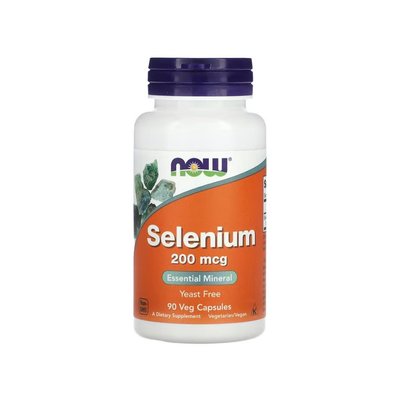 NOW Selenium 200mcg€11.90 In stock 180 veg. caps. provides a clinically studied dose of selenomethionine in a convenient vegan capsule. OstroVit Selenium Selenomethionine 220 tabs is a cost-effective alternative at the same 200 mcg dose.
Selenium for Athletes
Intense training generates substantial oxidative stress. Selenium, as a component of the GPx system, helps reduce exercise-induced lipid peroxidation. Research showed selenium supplementation significantly lowered post-exercise malondialdehyde levels — a key marker of oxidative muscle damage (Tessier et al., 1995).
FAQ
Is it safe to take 200 mcg selenium every day?
Yes, 200 mcg is within the safe range and is the dose used in most clinical trials showing thyroid and immune benefits. Do not stack multiple selenium-containing supplements without checking total intake.
Can selenium help with Hashimoto's thyroiditis?
Evidence is promising. Several randomised controlled trials showed that 200 mcg/day of selenomethionine reduced TPO antibody titres in Hashimoto's patients. However, it does not replace thyroid hormone therapy — always consult your doctor.
What is the best blood test for selenium status?
Serum selenium reflects recent intake but not long-term stores. Red blood cell selenium is a more reliable marker of body selenium status over the preceding few months.
Selenium and Viral Immunity: What the Evidence Shows
The COVID-19 pandemic sparked renewed interest in selenium's antiviral role. A Chinese study found that regions with higher population selenium status showed significantly better recovery rates from viral infection (Zhang et al., 2020). While correlation does not establish causation, this aligns with selenium's known role in suppressing viral replication.
Selenium deficiency also promotes viral mutation. The Coxsackie B3 virus — normally mild — becomes significantly more virulent in selenium-deficient hosts, likely because depleted antioxidant defences create conditions that accelerate RNA mutation in the virus (Beck et al., 1994).
Seasonal Strategy for Estonian Residents
Estonia's combination of selenium-poor soil and long dark winters creates a dual challenge. A practical plan for optimising selenium status year-round:
- Daily foundation: 1–2 Brazil nuts with breakfast — covers the RDA without supplementing
- 3–4 times weekly: tuna or sardines provide 65–80 mcg selenium per serving from a bioavailable marine source
- Winter months (October–March): consider NOW Selenium 200mcg 180 veg. caps. or OstroVit Selenium Selenomethionine 220 tabs, since plant-food selenium drops when soils are frozen and dietary variety narrows
Selenium and Cancer Prevention
Several large population studies have associated lower selenium status with higher rates of prostate, colorectal, and breast cancer. The Nutritional Prevention of Cancer trial found significant reduction in cancer incidence with 200 mcg selenomethionine per day in a selenium-deficient population (Clark et al., 1996). The SELECT trial, using a different selenium form (selenate), found no benefit — highlighting that form and baseline status matter enormously in selenium research (Lippman et al., 2009).
Current consensus: selenium is not a cancer cure, but maintaining optimal status is a sensible element of a preventive health strategy. Supplementing beyond sufficiency confers no additional benefit and carries risk of selenosis.
References
- Rayman, M. P. (2012). Selenium and human health. Lancet, 379(9822), 1256–1268.
- Duntas, L. H. (2010). Selenium and the thyroid: a close-knit connection. Journal of Clinical Endocrinology & Metabolism, 95(12), 5180–5188.
- Duntas, L. H., & Benvenga, S. (2015). Selenium: an element for life. Endocrine, 48(3), 756–775.
- Scott, R., MacPherson, A., Yates, R. W., Hussain, B., & Dixon, J. (1998). The effect of oral selenium supplementation on human sperm motility. British Journal of Urology, 82(1), 76–80.
- Tessier, F., Hida, H., Favier, A., & Marconnet, M. (1995). Muscle GSH-Px activity after prolonged exercise, training, and selenium supplementation. Biological Trace Element Research, 47(1–3), 279–285.



