
Best Form of Selenium: How to Choose
Selenium is a trace mineral with outsized biological importance. It is a component of selenoproteins — including glutathione peroxidase enzymes central to the body's antioxidant defence — and is required for normal thyroid hormone metabolism. In Northern Europe, including Estonia, soil selenium levels are naturally low, which means dietary intake is often marginal and supplementation is among the most commonly justified choices in this part of the world. But selenium forms differ substantially in how well the body can use them.
Forms Compared
| Form | Type | Absorption | Tissue Retention | Notes |
|---|---|---|---|---|
| Selenomethionine | Organic | Very high | High (stored in muscle) | Most bioavailable form |
| Selenium-enriched yeast | Organic (mixed) | High | High | Contains selenomethionine and others |
| Sodium selenate | Inorganic | High | Moderate | Well absorbed but less retained |
| Sodium selenite | Inorganic | Moderate | Lower | Older form; lower bioavailability |
The distinction between organic and inorganic selenium is the most practically important. Organic forms, led by selenomethionine, are incorporated into body proteins in place of methionine, allowing the body to build a tissue reserve. Inorganic forms are absorbed but less efficiently retained.
Bioavailability Differences
A landmark comparison study found that selenomethionine had approximately double the relative bioavailability of sodium selenite when assessed by plasma and whole blood selenium status over time (Alfthan et al., 1991). The tissue storage advantage of selenomethionine means that supplementation builds a reserve that can buffer short-term dietary shortfalls.
Sodium selenate has slightly higher intestinal absorption than selenite, though both are inorganic and neither accumulates in tissues the way selenomethionine does. For chronic selenium status improvement, organic forms are the evidence-based choice.
Cost per Effective Dose
OstroVit Selen Selenomethionine 220tabs, 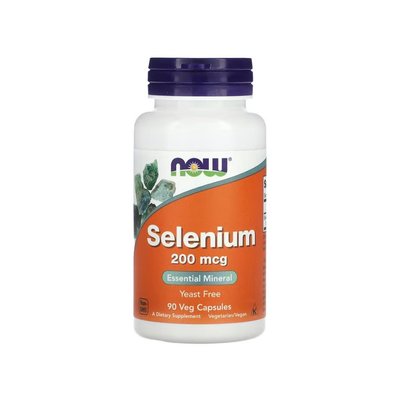 NOW Selenium 200mcg€11.90 In stock 180 veg. caps., and NOW Selenium 200mcg 90 veg. caps. are the selenium products available at maxfit.ee. OstroVit uses selenomethionine — the most bioavailable form — making it a strong value pick for anyone seeking efficient selenium supplementation.
Per mcg of selenium, the difference in price between forms is modest at typical supplement doses. However, the higher tissue retention of selenomethionine means you get more long-term status improvement per mcg absorbed, effectively improving value further.
Which Form for Which Goal?
General selenium status (Northern Europe context): Selenomethionine or selenium-enriched yeast. Both raise blood and tissue selenium effectively. This is the most common use case in Estonia, given low soil selenium across the Baltic and Nordic region.
Thyroid hormone metabolism: Selenoproteins including deiodinase enzymes are required for T4-to-T3 conversion. Selenium adequacy matters here, but specific dose-response for thyroid function in selenium-adequate individuals is modest. Selenomethionine is the appropriate form.
Antioxidant defence (glutathione peroxidase support): Glutathione peroxidase is selenium-dependent. Status adequacy, not excess, is the goal. All forms support GPx enzyme activity once absorbed, but selenomethionine offers superior status maintenance over time.
Short-term selenium correction: If correcting an acute deficiency rapidly, inorganic selenium (selenate) may raise plasma levels faster since it is not incorporated into protein stores. However, this distinction matters clinically more than for everyday supplementation.
What to Look for on the Label
- Form specified: Label must state the specific form — selenomethionine, sodium selenate, or selenium yeast. Generic "selenium" is insufficient.
- Dose in mcg: Standard supplemental doses range from 50–200 mcg daily. The EFSA tolerable upper intake level is 300 mcg/day from all sources. Do not exceed this from supplements alone.
- Third-party testing: Selenium is a trace mineral where dose precision matters — the therapeutic window between adequate intake and excess is relatively narrow. Third-party lot testing for actual selenium content is a meaningful quality indicator.
- No megadoses: Avoid products listing doses above 200 mcg per day unless under medical supervision.
FAQ
Which selenium form is most bioavailable?
Selenomethionine consistently shows the highest bioavailability in human studies, both in terms of absorption and long-term tissue retention. It is the preferred form for building and maintaining selenium status.
Can I get enough selenium from Brazil nuts?
Brazil nuts are the richest food source of selenium, but selenium content varies enormously — from very low to very high — depending on where they were grown. Relying on Brazil nuts as a precise selenium source is difficult; a consistent supplement dose is more predictable.
Is selenium deficiency common in Estonia?
Yes, soil selenium in the Baltic and Nordic region is among the lowest in Europe, and this is reflected in population selenium status data. Supplementation or the consumption of selenium-enriched foods is a recognised approach to managing this in Estonia and neighbouring countries.
References
Alfthan, G., Aro, A., Arvilommi, H., & Huttunen, J. K. (1991). Selenium metabolism and platelet glutathione peroxidase activity in healthy Finnish men: effects of selenium yeast, selenite, and selenate. American Journal of Clinical Nutrition, 53(1), 120-125. https://pubmed.ncbi.nlm.nih.gov/1984336/
Rayman, M. P. (2012). Selenium and human health. The Lancet, 379(9822), 1256-1268. https://pubmed.ncbi.nlm.nih.gov/22381456/
Zhang, J., Taylor, E. W., Bennett, K., Saad, R., & Rayman, M. P. (2020). Association between regional selenium status and reported outcome of COVID-19 cases in China. American Journal of Clinical Nutrition, 111(6), 1297-1299. https://pubmed.ncbi.nlm.nih.gov/32342979/



