
Why Selenium Matters Especially for Women
Selenium is a trace mineral the body cannot manufacture itself and that is essential for normal thyroid function, immune regulation, and antioxidant defence. For women specifically, the stakes are higher: autoimmune thyroid diseases such as Hashimoto's thyroiditis are several times more common in women than in men, and selenium is indispensable for both thyroid hormone synthesis and activation.
What the Research Shows
The strongest clinical evidence for selenium's benefits in women comes from thyroid-related research. A meta-analysis (Fan et al., 2014) found that selenium supplementation significantly reduced thyroid peroxidase antibody (TPO-Ab) levels in patients with Hashimoto's thyroiditis. A decline in autoantibodies is associated with reduced thyroid inflammation.
For antioxidant defence, selenium is a component of glutathione peroxidase enzymes, among the body's most potent intracellular antioxidants. Protecting cells from oxidative stress, including those in the reproductive organs, is important for women's health. One cohort study (Ceko et al., 2015) linked lower selenium status with poorer oocyte maturation.
Hormonal and Life-Stage Notes
Thyroid hormones regulate metabolism, energy, and reproductive health. Selenium deficiency may contribute to thyroid dysfunction and hormonal imbalance. During pregnancy, the thyroid faces a greater workload, and adequate selenium status matters for both maternal and fetal thyroid function.
Postmenopausally, as oestrogen's protective effects wane, support for antioxidant mechanisms becomes especially important. Selenium underpins the glutathione system, which, alongside oestrogen, shields tissues from free-radical damage.
For fertility, selenium is relevant not only for men but also for women, being linked to ovarian health and protection of oocytes from oxidative damage.
Dose Considerations
The recommended daily intake for adult women is approximately 55 µg. The estimated safe upper limit for most adults is around 400 µg per day; chronic excess can cause selenium toxicity (selenosis). OstroVit Selen Selenomethionine 220tabs is available at maxfit.ee in the selenomethionine form, one of the better-absorbed organic forms. 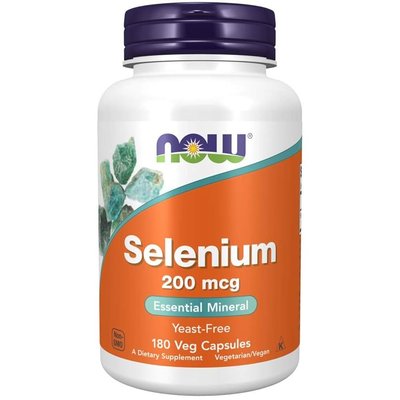 NOW Selenium 200mcg€17.90 In stock 90 veg. caps. and NOW Selenium 200mcg 180 veg. caps. offer flexible dosing options.
Selenomethionine is generally considered more bioavailable than inorganic selenite. Dietary selenium from food varies considerably with soil selenium content; Northern European soils are relatively low in selenium, making supplementation a reasonable consideration.
Pregnancy and Safety Notes
Selenium needs increase modestly during pregnancy. Adequate selenium status is associated with a lower risk of adverse pregnancy outcomes, including postpartum thyroid dysfunction. However, excess selenium is toxic, so do not exceed 200 to 400 µg per day, even during pregnancy.
Consult a healthcare provider about selenium supplementation during pregnancy and breastfeeding.
Bottom Line
Selenium is an essential trace mineral for women, backed by solid evidence for thyroid health and antioxidant protection. In Scandinavian and Northern European diets, selenium is often in shorter supply, making the options available at maxfit.ee worth considering, especially if thyroid support is a priority.
References
- Fan, Y., Xu, S., Zhang, H., Cao, W., Wang, K., Chen, G., ... & Liu, C. (2014). Selenium supplementation for autoimmune thyroiditis: a systematic review and meta-analysis. International Journal of Endocrinology, 2014, 904573. https://pubmed.ncbi.nlm.nih.gov/25574167/
- Ceko, M. J., Hummitzsch, K., Hatzirodos, N., Bonner, W. M., Aitken, J. B., Russell, D. L., ... & Harris, H. H. (2015). X-ray fluorescence imaging and other analyses identify selenium and GPX1 as important in female reproductive function. Metallomics, 7(1), 71-82. https://pubmed.ncbi.nlm.nih.gov/25362850/
- Schomburg, L. (2012). Dietary selenium and human health. Nutrients, 4(6), 488-502.
FAQ
Does selenium help the thyroid?
Yes, clinical evidence supports selenium supplementation in Hashimoto's thyroiditis, particularly for reducing TPO-Ab levels. It does not replace medical treatment but is an evidence-backed addition.
Can you take too much selenium?
Yes. Chronic excess intake above 400 µg per day can cause selenosis, characterised by hair and nail loss, nausea, and neurological symptoms. Stay within recommended doses.
Which form of selenium is best absorbed?
Selenomethionine is generally considered the best-absorbed organic form, owing to its similarity to the amino acid methionine, which the body processes naturally.



