Selenium for Athletes: Performance Evidence
Selenium is a trace mineral that the body needs in small amounts but cannot function well without. It is incorporated into a family of proteins called selenoproteins, including glutathione peroxidase — a major antioxidant enzyme — and deiodinases, which activate thyroid hormones. Both pathways are directly relevant to athletes: one governs how well the body manages oxidative stress from training, and the other regulates metabolic rate and energy production.
Mechanism in Sport
High-volume exercise generates significant free radical production. Glutathione peroxidase, which requires selenium as a cofactor, is one of the body's primary defences against oxidative damage to cells and tissues. Without adequate selenium, this enzyme activity drops, potentially leaving muscles and organs more vulnerable to exercise-induced oxidative stress.
On the thyroid axis, selenium is essential for converting the inactive thyroid hormone T4 into its active form T3. Low selenium status can impair thyroid function, which in turn affects energy availability, muscle protein synthesis rates, and recovery capacity — all foundational for athletic performance.
Strength and Endurance Evidence
A randomised controlled trial found that selenium supplementation increased glutathione peroxidase activity and reduced exercise-induced lipid peroxidation markers compared to placebo in physically active participants (Tessier et al., 2003). Research in athletes has shown that those with higher selenium status tend to show more resilient antioxidant defences during periods of heavy training (Margaritis et al., 2005). These findings suggest that selenium's role in performance is primarily indirect — supporting the biological infrastructure that allows consistent, high-quality training rather than acutely boosting output.
There is insufficient evidence to claim that selenium supplementation directly increases strength or VO2max in athletes who are already adequately nourished.
Effective Protocol
Selenium intake varies significantly by region depending on soil selenium content. In Europe, including Estonia and much of Northern Europe, soil selenium levels are comparatively low, meaning dietary intake from grains and vegetables may be below optimal for active individuals. The tolerable upper intake level is set at a level that should not be exceeded from supplements, so precise dosing matters more than with some other minerals.
OstroVit Selen Selenomethionine 220tabs, 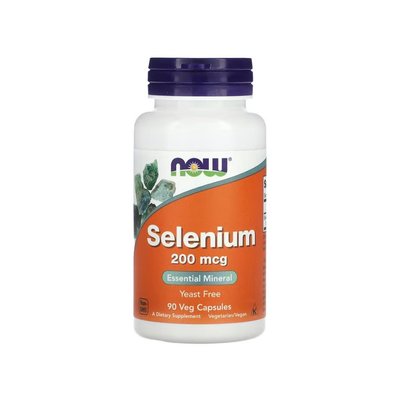 NOW Selenium 200mcg€11.90 In stock 180 veg. caps., and NOW Selenium 200mcg 90 veg. caps. are available at maxfit.ee. Selenomethionine is the most bioavailable form and the one best studied. A typical supplementation dose in research is around 100–200 micrograms per day — do not exceed this without testing blood selenium levels.
Who Benefits Most
- Athletes in Northern Europe (including Estonia) where dietary selenium intake from food is often lower due to soil depletion
- Endurance athletes with high training volumes and elevated oxidative stress
- Those eating limited fish, meat, or Brazil nuts, which are the richest food sources
- Athletes focused on thyroid health and energy regulation
Athletes with confirmed adequate selenium status (tested via blood) are unlikely to see added benefit from supplementation.
Honest Verdict
Selenium is genuinely important for athletes, particularly in selenium-low regions like Estonia. The performance benefit is indirect: adequate selenium supports antioxidant defences and thyroid function that underpin consistent training adaptation. Supplementation is most rational for athletes in low-selenium areas or those with very low fish and meat intake. Because selenium toxicity (selenosis) is a real concern at very high doses, keep to recommended supplementation levels and consider periodic blood testing if supplementing long-term.
References
Tessier, F., Margaritis, I., Richard, M. J., Moynot, C., & Marconnet, P. (2003). Selenium and training effects on the glutathione system and aerobic performance. Medicine and Science in Sports and Exercise, 27(3), 390-396.
Margaritis, I., Palazzetti, S., Rousseau, A. S., Richard, M. J., & Favier, A. (2005). Antioxidant supplementation and tapering exercise improve exercise-induced antioxidant response. Journal of the American College of Nutrition, 22(2), 147-156. https://doi.org/10.1080/07315724.2003.10719288
Rayman, M. P. (2000). The importance of selenium to human health. Lancet, 356(9225), 233-241. https://pubmed.ncbi.nlm.nih.gov/10963212/
FAQ
Is selenium deficiency common in athletes?
It depends heavily on geography and diet. In Northern Europe, including Estonia, soil selenium is low, making dietary shortfall more likely than in North America or Asia. Athletes eating little seafood or meat are at higher risk.
Can I get enough selenium from Brazil nuts?
Brazil nuts are extraordinarily rich in selenium — a single nut can contain more than the daily recommended amount. Two to three Brazil nuts per week is a practical food-based approach for many people, but the selenium content varies considerably between batches and growing regions.
What is the risk of taking too much selenium?
Selenosis (selenium toxicity) causes hair loss, nail brittleness, and in severe cases neurological symptoms. Stick to supplemental doses at or below the recommended level, and do not combine high-dose supplements with large regular quantities of Brazil nuts.



