What Is Selenium and Why Does Dosage Matter?
Selenium is a trace mineral essential for antioxidant enzyme function, thyroid hormone metabolism, and immune defence. It works primarily through selenoproteins — enzymes including glutathione peroxidases and thioredoxin reductases — that protect cells from oxidative damage.
Selenium stands out among micronutrients because its therapeutic window is narrow: the gap between a beneficial dose and a potentially toxic dose is smaller than for most vitamins or minerals. Getting the selenium dosage right is therefore more critical than it is for, say, vitamin C. Both deficiency and excess carry meaningful health consequences.
Studied Effective Dose Ranges
A landmark randomised trial — the Nutritional Prevention of Cancer (NPC) study — used 200 mcg per day of selenium as selenised yeast and observed significant reductions in all-cause cancer mortality over a median follow-up of 4.5 years in a selenium-deficient population (Clark et al., 1996). However, subsequent large trials in selenium-replete populations did not replicate these benefits, highlighting that supplementation is most relevant when baseline status is low.
For thyroid health, a systematic review found that 200 mcg per day of selenomethionine reduced thyroid peroxidase antibody titres in patients with Hashimoto's thyroiditis (Toulis et al., 2010).
At maxfit.ee, OstroVit Selen Selenomethionine 220tabs provides selenium in highly bioavailable selenomethionine form. 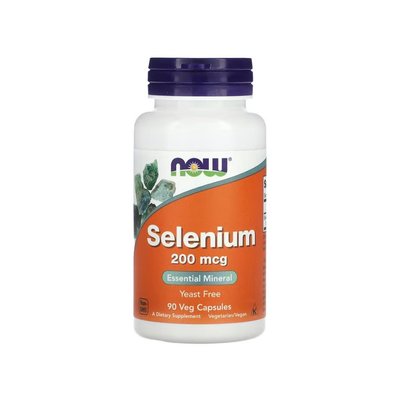 NOW Selenium 200mcg€11.90 In stock 180 veg. caps. and NOW Selenium 200mcg 90 veg. caps. are widely used options.
Dose by Goal
| Goal | Typical Supplemental Dose | Notes |
|---|---|---|
| Maintaining adequate status | 55–100 mcg/day | EFSA adequate intake: 70 mcg/day for adults |
| Thyroid antibody reduction (supervised) | 200 mcg/day | Selenomethionine preferred form |
| Antioxidant / immune support | 100–200 mcg/day | Avoid exceeding 300 mcg/day total |
Upper Limits
This is where selenium is unusual. EFSA sets the tolerable upper intake level (UL) for adults at 300 mcg per day from all sources. Chronic intake above this level can lead to selenosis — a condition characterised by garlic breath, hair and nail brittleness, neurological effects, and GI disturbances. The commonly available 200 mcg dose supplements leave a relatively small safety margin if significant selenium is also consumed from diet (Brazil nuts, seafood, meat), so total daily intake from all sources matters.
Brazil nuts are especially high in selenium — a single nut can contain 50–90 mcg. Eating many daily alongside a 200 mcg supplement can quickly approach or exceed the UL.
Timing Relative to Dose
Selenium from food or supplements is well absorbed (selenomethionine absorption is approximately 80–95% in humans). There is no strong evidence favouring a specific time of day. Taking it with a meal reduces the small risk of gastrointestinal upset some users experience with selenium supplements on an empty stomach.
Practical Protocol
- Assess baseline intake first. If your diet regularly includes Brazil nuts, seafood, or meat, your selenium status may already be adequate without supplementation. Testing serum selenium (if available) provides the clearest picture.
- Start at 100 mcg/day if supplementing for general antioxidant or immune support. This is well within the safe range for most adults and covers the typical dietary gap.
- Use 200 mcg/day for targeted support (e.g., thyroid antibodies) only under medical guidance, and for a defined period.
- Choose selenomethionine. This organic form has superior bioavailability compared to inorganic selenite or selenate, and is the form used in most positive clinical trials.
- Do not exceed 300 mcg/day from all sources combined. Selenium accumulates in tissue and chronic over-supplementation is harmful.
FAQ
How much selenium should I take per day?
For general wellness and immune support, 100–200 mcg per day is the most common supplemental range. The EFSA UL for adults is 300 mcg per day from all sources — stay below this, accounting for dietary selenium intake. Do not supplement above 200 mcg daily without medical supervision.
What is the best form of selenium supplement?
Selenomethionine is the most bioavailable organic form and the form used in most positive clinical trials. Products like OstroVit Selen Selenomethionine 220tabs use this form. Inorganic forms (selenite, selenate) are absorbed less reliably.
Can I get enough selenium from food alone?
Many people can, depending on geography. Soils in Northern and Eastern Europe tend to be lower in selenium than North American soils, meaning food-derived intake may be lower for Estonian residents. A soil-dependent micronutrient, selenium availability in food varies significantly by region.
References
Clark, L. C., Combs, G. F., Turnbull, B. W., Slate, E. H., Chalker, D. K., Chow, J., Davis, L. S., Glover, R. A., Graham, G. F., Gross, E. G., Krongrad, A., Lesher, J. L., Park, H. K., Sanders, B. B., Smith, C. L., & Taylor, J. R. (1996). Effects of selenium supplementation for cancer prevention in patients with carcinoma of the skin. JAMA, 276(24), 1957–1963. https://pubmed.ncbi.nlm.nih.gov/8971064/
Toulis, K. A., Anastasilakis, A. D., Tzellos, T. G., Goulis, D. G., & Kouvelas, D. (2010). Selenium supplementation in the treatment of Hashimoto's thyroiditis: a systematic review and a meta-analysis. Thyroid, 20(10), 1163–1173. https://pubmed.ncbi.nlm.nih.gov/20883174/
Rayman, M. P. (2012). Selenium and human health. Lancet, 379(9822), 1256–1268. https://pubmed.ncbi.nlm.nih.gov/22381456/



