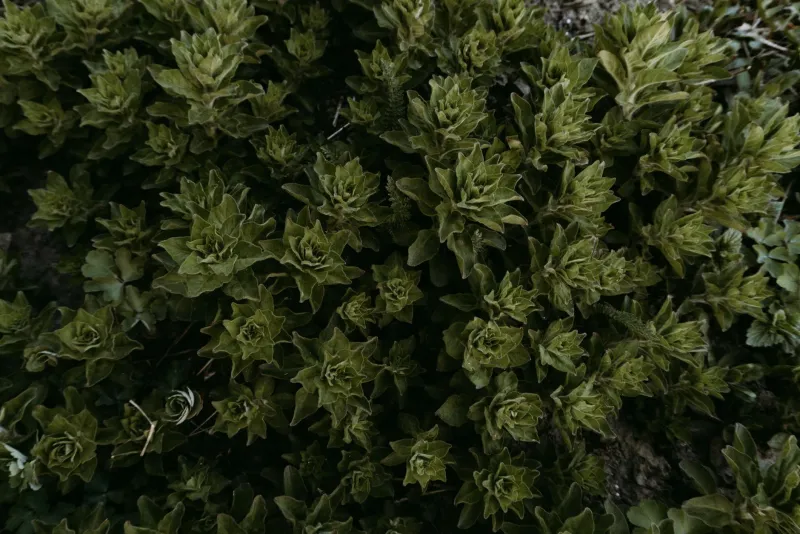
Rhodiola Rosea — Nordic Wisdom in a Capsule
Rhodiola rosea (golden root or roseroot) is a perennial plant that grows on the rocky cliffs of Scandinavia, Siberia, and the Alps. For centuries it has been used in Northern European folk medicine against fatigue, stress, and cold exposure. Geographically close to Estonia, it has been a staple of Norwegian, Finnish, and Swedish traditional medicine for generations.
Modern science has validated this traditional status — randomised controlled trials have documented rhodiola's effects on mental fatigue, stress performance, and cognitive function (Olsson et al., 2009).
Active Compounds: Rosavins and Salidroside
Rhodiola's primary active action is mediated by two compound groups:
- Rosavins (rosavin, rosarin, rosin) — these are rhodiola-specific and unique to this plant
- Salidroside (rhodioloside) — also found in other plants but rhodiola is the primary dietary source
Quality supplements are standardised for both. The optimal ratio is 3:1 rosavin to salidroside, reflecting the plant's natural composition.
Rhodiola vs. Ashwagandha — Which to Choose?
Both are well-researched adaptogens but they work through different mechanisms and suit different needs:
| Feature | Rhodiola Rosea | Ashwagandha |
|---|---|---|
| Onset of action | Fast (30–60 min) | Slow (2–4 weeks) |
| Primary effect | Mental alertness, fatigue relief | Cortisol, chronic stress |
| Best suited for | Acute stress, work performance | Chronic stress, sleep |
| Stimulating properties | Mildly stimulating | Non-stimulating |
| Athletic use | Endurance, performance | Recovery, testosterone |
Rhodiola's unique strength is its rapid onset — users often report noticeable effects from a single dose, unlike ashwagandha which requires weeks of consistent use.
Clinical Evidence
Several well-designed trials have documented:
- Mental fatigue: 170 mg rhodiola extract daily for 4 weeks significantly reduced mental fatigue in students during exam periods (Spasov et al., 2000)
- Occupational performance: 200 mg twice daily reduced burnout symptoms in stressed physicians (Olsson et al., 2009)
- Physical performance: rhodiola reduced time-to-exhaustion and improved VO₂max in endurance athletes (De Bock et al., 2004)
- Cortisol modulation: in chronic fatigue patients, rhodiola blunted the cortisol response to stress
Recommended Dosing
- Standardised extract (3% rosavin / 1% salidroside): 200–600 mg daily
- Single acute dose before a stressor: 200–400 mg, 30 minutes beforehand
- Daily use: two doses — morning and midday (avoid evening — mildly stimulating)
Do not take rhodiola in the evening; its mildly stimulating nature may delay sleep onset.
Products at maxfit.ee
OstroVit Braintus Focus 90caps is a cognitive performance formula that pairs well with rhodiola's fatigue-fighting properties. ICONFIT Capsules Energy Complex N90 is another option for daily energy support.
For standalone rhodiola preparations, explore the herbs and adaptogens category at maxfit.ee.
Safety and Side Effects
Rhodiola has received European Medicines Agency (EMA) recognition as a traditional herbal medicinal product for mental and physical fatigue. Side effects are uncommon but may include mild dizziness, dry mouth, or restlessness — particularly with evening dosing.
Contraindications: avoid combining with MAO inhibitors (certain antidepressants) and use cautiously with bipolar disorder.
FAQ
Can I take rhodiola every day?
Yes, though some practitioners recommend cycling: 3–4 months on, 1 month off. Long-term data is limited but 12-week studies show good tolerability. The herb has been used daily in Nordic and Siberian cultures for generations without documented harm.
Does rhodiola help with weight loss?
Rhodiola is not a weight loss supplement per se, but by reducing stress and boosting sustainable energy levels, it may indirectly support healthy lifestyle habits that contribute to body composition improvements.
Can rhodiola be combined with caffeine?
Yes — this is a popular combination. Rhodiola amplifies caffeine's energy and focus effect while potentially smoothing its jittery edge. A sensible starting stack is 200 mg rhodiola with 100 mg caffeine.
References
- Olsson, E. M., von Schéele, B., & Panossian, A. G. (2009). A randomised, double-blind, placebo-controlled, parallel-group study of the standardised extract SHR-5 of the roots of Rhodiola rosea in the treatment of subjects with stress-related fatigue. Planta Medica, 75(2), 105–112.
- Spasov, A. A., Wikman, G. K., Mandrikov, V. B., et al. (2000). A double-blind, placebo-controlled pilot study of the stimulating and adaptogenic effect of Rhodiola rosea SHR-5 extract on the fatigue of students caused by stress during an examination period. Phytomedicine, 7(2), 85–89.
- De Bock, K., Eijnde, B. O., Ramaekers, M., & Hespel, P. (2004). Acute Rhodiola rosea intake can improve endurance exercise performance. International Journal of Sport Nutrition and Exercise Metabolism, 14(3), 298–307.
- Panossian, A., & Wikman, G. (2010). Effects of adaptogens on the central nervous system and the molecular mechanisms associated with their stress-protective activity. Pharmaceuticals, 3(1), 188–224.



