
What to Stack with Retinol: Synergies & Conflicts
Retinol stacking requires more care than many other supplement combinations because vitamin A is fat-soluble and accumulates in the body. Getting the interactions right — both positive synergies and potentially risky overlaps — is essential before building a stack that includes this nutrient.
Evidence-Based Synergies
Retinol and Zinc
Zinc is required for the synthesis of retinol-binding protein (RBP), which transports retinol in the bloodstream, and for the conversion of retinol to its active aldehyde form, retinal. Research has shown that zinc deficiency impairs retinol mobilisation from the liver even when liver stores are adequate (Christian & West, 1998). Ensuring adequate zinc intake is therefore foundational to any retinol stack. ICONFIT Capsules Zinc N90, MST Zinc Picolinate 100tabs, and 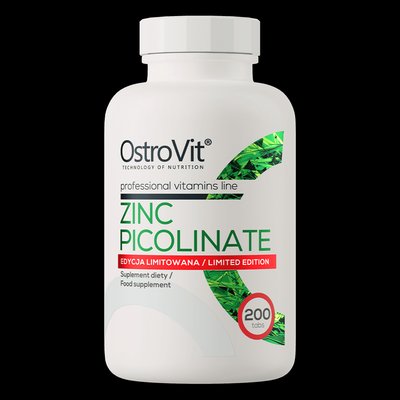 OstroVit Zinc Picolinate€7.90 In stock 200tabs are practical options available at maxfit.ee.
Retinol and Vitamin D
Vitamin A and vitamin D work through related nuclear receptors (RAR and VDR) and share the retinoid X receptor (RXR) as a dimerisation partner. In adequate amounts, both nutrients support immune modulation via overlapping pathways. A balanced intake of both is more physiologically appropriate than supplementing one in large excess of the other, as very high vitamin A can antagonise vitamin D receptor signalling.
Retinol and Vitamin E
Vitamin E (tocopherol) acts as an antioxidant that protects unsaturated retinol from oxidative degradation. The two fat-soluble vitamins are natural companions in foods (liver, egg yolk, fortified dairy all contain both) and their combination in supplements mirrors this. BIOTECHUSA Vitamin E 100softgels is one option that can complement a vitamin A source.
Retinol and Healthy Fats
As a fat-soluble compound, retinol's intestinal absorption depends on the presence of dietary fat. Taking it with olive oil, avocado, or a fish oil supplement markedly improves uptake. This is not optional — taking fat-soluble vitamins with fat is essential for efficacy.
Antagonistic Combinations
Retinol and Excess Vitamin A from Multiple Sources
This is the most critical conflict to understand. Vitamin A toxicity (hypervitaminosis A) occurs when total intake — from food (especially liver, cod liver oil, fortified products) plus supplements — consistently exceeds the tolerable upper level. Do not stack multiple products that each contain preformed vitamin A (retinol or retinyl palmitate) without checking combined totals. Beta-carotene (provitamin A) from plants does not carry the same toxicity risk.
Retinol and Isotretinoin or Retinoid Prescriptions
If you are using prescription retinoids (isotretinoin, tretinoin, adapalene), do not supplement with retinol without medical supervision. The combination raises toxicity risk significantly.
Very High-Dose Retinol and Vitamin D
As noted above, habitual very high retinol intake may reduce the activity of vitamin D receptor targets. Keeping vitamin A within recommended ranges avoids this interaction.
Timing Within a Stack
Take retinol with your fattiest meal of the day. Vitamin D and vitamin E can be taken at the same time — all three are fat-soluble and benefit from co-ingestion with fat. Zinc is best absorbed separate from calcium-rich meals; taking it alongside retinol with a non-dairy, fat-containing meal is a practical compromise.
Sample Stacks by Goal
| Goal | With Largest Meal | Additional |
|---|---|---|
| Skin and immune support | Retinol + Vitamin D + Zinc | Vitamin E |
| Vision support | Retinol + Zinc | Lutein + Zeaxanthin |
| General fat-soluble vitamin base | Retinol + D + E + K2 | Omega-3 |
What to Avoid
- Do not exceed the tolerable upper intake level for preformed vitamin A — check labels of all products in your stack including multivitamins.
- Do not combine with prescription retinoids.
- Do not take on an empty stomach; absorption will be poor and gastric discomfort is more likely.
- No medical-treatment claims are intended; retinol supports normal physiological functions and is not a treatment for skin conditions or eye disease.
FAQ
Is retinol the same as beta-carotene?
No. Retinol is preformed vitamin A, ready for direct use. Beta-carotene is a provitamin A carotenoid that the body converts to retinol as needed, with conversion efficiency varying widely between individuals. Beta-carotene from plant foods does not cause hypervitaminosis A.
Can I take retinol and vitamin K2 together?
Yes. Vitamin K2 works alongside vitamins D and A in calcium metabolism and bone health. The combination is logical and safe at normal supplemental doses. Products like OstroVit Vitamin D3 + K2 90 tabs already pair two of these nutrients.
How much retinol is in a typical supplement?
Doses vary by product. Most general multivitamins provide 750 to 900 micrograms RE (retinol equivalents). Stand-alone vitamin A supplements may range from 750 to 3000 micrograms RE. Always check total vitamin A across all supplements you take.
References
Christian, P., & West, K. P. (1998). Interactions between zinc and vitamin A: an update. The American Journal of Clinical Nutrition, 68(2 Suppl), 435S-441S.
Dawson, M. I. (2000). The importance of vitamin A in nutrition. Current Pharmaceutical Design, 6(3), 311-325. https://pubmed.ncbi.nlm.nih.gov/10637381/
Masaki, H. (2010). Role of antioxidants in the skin: anti-aging effects. Journal of Dermatological Science, 58(2), 85-90. https://pubmed.ncbi.nlm.nih.gov/20399614/



