What Is Retinol and Why Does Form Matter?
Retinol is the primary active form of vitamin A, a fat-soluble vitamin essential for vision, immune function, and cell differentiation. Vitamin A is found in animal-sourced foods as preformed retinol (retinyl esters), and in plant foods as provitamin A carotenoids, chiefly beta-carotene. Supplement forms vary in potency, conversion efficiency, and safety profile. Choosing the right form is particularly relevant because preformed vitamin A accumulates in the body and can reach toxic levels at excessive intakes.
Forms Compared
Retinyl Acetate and Retinyl Palmitate
These are ester forms of retinol — the predominant preformed vitamin A sources in supplements. They are hydrolysed to retinol in the small intestine before absorption. Both forms are equivalent in biological activity per unit of preformed vitamin A. Retinyl palmitate is the form of vitamin A stored naturally in the liver and is commonly used in supplements because of its stability.
Retinol
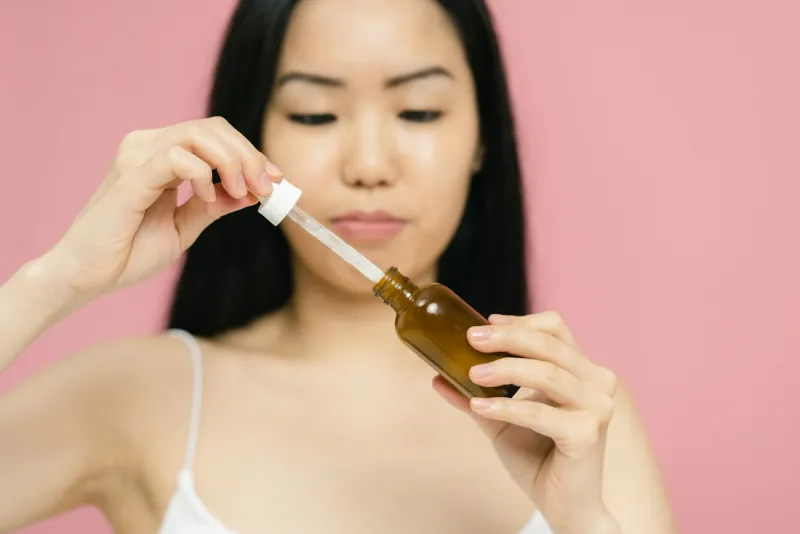
Free retinol is the alcohol form. It is less stable than retinyl esters and is less commonly used in oral supplements but common in topical (skin) applications. As a dietary supplement, retinyl palmitate or acetate are generally preferred for stability.
Beta-Carotene (Provitamin A)
Beta-carotene is a plant-derived carotenoid that the body converts to retinol as needed. Conversion efficiency varies considerably between individuals and is affected by dietary fat, digestive health, and genetic factors. Because conversion is demand-driven, beta-carotene does not accumulate to toxic levels in the same way preformed retinol can. It is found in vitamin supplements labelled as "mixed carotenoids" or "beta-carotene."
Mixed Carotenoids
Some supplements provide a blend of provitamin A carotenoids (alpha-carotene, beta-carotene, beta-cryptoxanthin). This more closely resembles whole-food sources.
Bioavailability Differences
Preformed retinyl esters (acetate, palmitate) are efficiently absorbed when taken with fat-containing food. Conversion of beta-carotene to retinol is variable and considerably less efficient than direct retinyl ester absorption. A reference study estimated that, on average, a 12:1 ratio of dietary beta-carotene to retinol equivalent was needed for conversion (de Pee & West, 2002). This means you need substantially more beta-carotene to deliver the same amount of active vitamin A as retinyl palmitate.
Cost Per Effective Dose
Retinyl palmitate and acetate are inexpensive per IU of vitamin A. Beta-carotene supplements are also affordable but require larger quantities for equivalent activity. From a cost-per-unit-of-vitamin-A standpoint, preformed retinyl esters are more predictable.
| Form | Conversion needed | Risk of toxicity | Source |
|---|---|---|---|
| Retinyl palmitate | None (direct) | Higher at excess | Animal/synthetic |
| Retinyl acetate | None (direct) | Higher at excess | Synthetic |
| Beta-carotene | Yes (variable) | Lower (demand-driven) | Plant/synthetic |
| Mixed carotenoids | Yes (variable) | Lower | Plant |
Which Form for Which Goal?
For general supplementation as part of a multivitamin, either preformed retinyl palmitate or beta-carotene is appropriate, usually at amounts that stay within safe daily ranges. For individuals who want to avoid any risk of preformed vitamin A excess (including pregnant women, for whom very high vitamin A intake poses specific risks), beta-carotene provides vitamin A activity without accumulation risk. Retinol supplements are available at maxfit.ee.
What to Look for on the Label
- Look for the specific form: retinyl palmitate or retinyl acetate for preformed vitamin A; beta-carotene for provitamin A.
- Amounts are often listed in micrograms of retinol activity equivalents (RAE) or in International Units (IU). Modern labels in the EU use micrograms RAE.
- Avoid routine high-dose preformed vitamin A supplements unless directed by a healthcare professional.
- Total vitamin A intake from all sources (diet and supplements) should be kept in mind.
FAQ
Is beta-carotene always a safer choice than retinol?
For most healthy adults, beta-carotene avoids the accumulation risk of preformed vitamin A. However, high-dose beta-carotene supplements have been associated with increased lung cancer risk in heavy smokers in specific trials (Omenn et al., 1996). For non-smokers at standard supplement doses, beta-carotene is generally considered safe.
Do retinol supplements help skin from the inside?
Vitamin A plays a role in skin cell differentiation and renewal. While topical retinol has a strong evidence base in dermatology, oral vitamin A supplementation at physiological levels supports general skin health as part of overall nutritional adequacy rather than as a targeted cosmetic intervention.
Can I take retinol with vitamin D?
Vitamins A and D interact in the body, and very high doses of either may interfere with the action of the other. Within normal supplementation ranges, both vitamins are commonly included in standard multivitamins without concern. Consult a healthcare professional if taking individual high-dose supplements of either.
References
de Pee, S., & West, C. E. (2002). Dietary carotenoids and their role in combating vitamin A deficiency: a review of the literature. European Journal of Clinical Nutrition, 56(Suppl 1), S48-S59.
Omenn, G. S., Goodman, G. E., Thornquist, M. D., Balmes, J., Cullen, M. R., Glass, A., Keogh, J. P., Meyskens, F. L., Valanis, B., Williams, J. H., Barnhart, S., & Hammar, S. (1996). Effects of a combination of beta carotene and vitamin A on lung cancer and cardiovascular disease. New England Journal of Medicine, 334(18), 1150-1155. https://pubmed.ncbi.nlm.nih.gov/8602180/
Thurnham, D. I., & Northrop-Clewes, C. A. (2012). Optimal nutrition: vitamin A and the carotenoids. Proceedings of the Nutrition Society, 71(1), 9-18.



