Is Long-Term Resveratrol Use Safe?
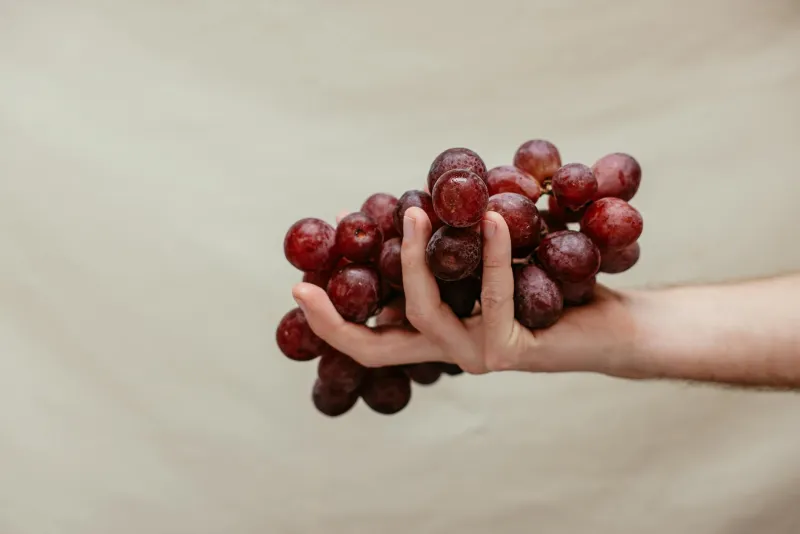
Resveratrol is a polyphenol found in grapes, red wine, and certain berries, widely studied for its antioxidant and potential longevity-related properties. Interest in long-term resveratrol supplementation has grown significantly, but does the safety profile support extended use? Here is what the current evidence actually shows.
What Long-Term Studies Show
Human clinical trials with resveratrol have generally used dosing periods of a few weeks to around 12 months. The compound appears well-tolerated at moderate doses in most of these studies. A randomised trial by Kennedy et al. (2010) in the American Journal of Clinical Nutrition examined cognitive effects over 28 days and found no safety signals at doses tested.
A longer-term study by Crandall et al. (2012) published in Cell Metabolism evaluated resveratrol over 12 weeks in older adults with mild glucose dysregulation. Participants tolerated supplementation without serious adverse events, supporting short-to-medium term safety. However, there is a notable concern from a later study: Poulsen et al. (2013) in the Journal of Physiology found that high-dose resveratrol supplementation actually blunted some of the exercise-induced cardiovascular adaptations in healthy older men. This does not imply toxicity, but it does suggest that resveratrol's antioxidant activity may interfere with beneficial training signals at high doses.
For periods beyond one year, systematic human data remains limited. Animal studies generally support safety, and population-level data on polyphenol-rich diets is positive — but translating very high supplement doses to equivalence with dietary intakes is not straightforward.
Upper Safe Limits Over Time
Typical clinical doses range from 100 to 1000 mg per day. The most common adverse effects reported in trials have been gastrointestinal discomfort (nausea, loose stools) at higher doses. There is no established tolerable upper intake level. Some studies using very high doses have observed mildly elevated liver enzymes in a subset of participants, though these normalised after stopping. People with existing liver conditions or those taking blood thinners should consult a physician before use.
OstroVit Quercetin 90caps and OstroVit Grape Seed Extract 50g are related antioxidant products available at maxfit.ee and represent complementary options in the antioxidant category.
Do You Need to Cycle Resveratrol?
No established cycling protocol exists for resveratrol. The concern is less about tolerance development and more about the potential for very high doses to interfere with redox-dependent training adaptations if you are an active exerciser. For non-athletes focused on general wellness, continuous low-to-moderate dose supplementation has not shown clear harm in trials lasting up to 12 months. Cycling or taking periodic breaks is a conservative approach that many practitioners favour, simply because long-term human data is still accumulating.
Monitoring
For healthy adults using resveratrol at standard supplement doses (up to around 500 mg/day), routine monitoring is not essential. If you choose to use higher doses or plan multi-year supplementation, periodic liver function testing is prudent. Resveratrol may modestly inhibit certain drug-metabolising enzymes, so if you are on prescription medications — particularly anticoagulants or anti-inflammatory drugs — discuss supplementation with your prescribing physician.
Honest Verdict
Long-term resveratrol use at moderate doses appears reasonably safe for healthy adults, with the strongest safety signals coming from studies up to 12 months. The polyphenol is genuinely interesting from a research standpoint, though its human efficacy story for longevity or cardiovascular outcomes remains unproven at supplement doses. Active exercisers should note that high doses may blunt training adaptations. The antioxidant category at maxfit.ee includes relevant options to explore alongside your broader supplement strategy.
Keep expectations realistic, dose conservatively, and revisit the need for supplementation periodically.
References
- Kennedy, D. O., et al. (2010). Effects of resveratrol on cerebral blood flow variables and cognitive performance in humans. American Journal of Clinical Nutrition, 91(6), 1590-1597. https://pubmed.ncbi.nlm.nih.gov/20357044/
- Crandall, J. P., et al. (2012). Pilot study of resveratrol in older adults with impaired glucose tolerance. Cell Metabolism, 14(5), 612-620.
- Poulsen, M. M., et al. (2013). High-dose resveratrol supplementation in obese men: an investigator-initiated, randomized, placebo-controlled clinical trial of substrate metabolism, insulin sensitivity, and body composition. Diabetes, 62(4), 1186-1195. https://pubmed.ncbi.nlm.nih.gov/23193181/
FAQ
How long has resveratrol been used in human trials?
Most human clinical trials have run from 4 weeks to 12 months. Studies beyond one year are scarce, so continuous multi-year use is not yet supported by extensive human safety data.
Can resveratrol interfere with exercise gains?
A study found that high-dose resveratrol may blunt some exercise-induced cardiovascular adaptations in older men. Active athletes may want to keep doses moderate or time supplementation away from training periods.
Is resveratrol safe with blood pressure or blood-thinning medications?
Resveratrol can mildly inhibit drug-metabolising enzymes and may have mild antiplatelet effects. Always discuss supplementation with your doctor if you are on prescription cardiovascular medications.



