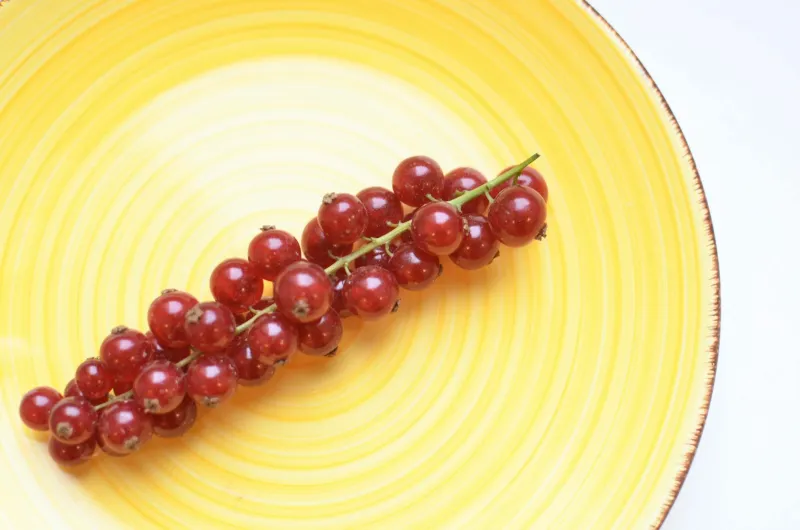
What Is Quercetin and Why Does Timing Matter?
Quercetin is a flavonoid polyphenol found naturally in foods like onions, apples, berries, and capers. It is widely used as a supplement for immune support, allergy relief, and antioxidant protection. As a research area it has also attracted interest for its potential anti-inflammatory effects in athletic recovery.
Because quercetin has relatively low and variable oral bioavailability, understanding when and how to take it helps maximise the amount that actually reaches your bloodstream.
With or Without Food?
Quercetin is better absorbed when taken with food. Studies have demonstrated that fat-containing meals improve quercetin bioavailability, likely because the lipid environment supports its solubilisation and micellar incorporation in the gut (Guo et al., 2012).
Taking quercetin alongside foods rich in vitamin C may also enhance its antioxidant recycling and may improve the stability of quercetin in the gut. Many commercial quercetin products include vitamin C or bromelain as co-ingredients for this reason.
High-fibre meals may slightly blunt absorption compared to moderate-fibre meals, so avoiding very large fibre loads at the same time as quercetin may be marginally beneficial — though in practice, taking it with any nutritious meal is far better than taking it on an empty stomach.
Time of Day and Training
Quercetin does not contain stimulants and will not disrupt sleep at normal doses. You can take it morning, midday, or evening. The main timing rationale for athletes:
- Pre-workout: Some research suggests quercetin may support mitochondrial biogenesis and exercise performance with consistent supplementation (Nieman et al., 2010). Taking it 30–60 minutes before training is a reasonable choice for those targeting endurance performance benefits.
- Post-workout recovery: Taking quercetin after training aligns with the post-exercise period when antioxidant demand is elevated.
- Morning and evening for allergy relief: For seasonal allergy symptom management, consistent twice-daily dosing maintains steady quercetin availability throughout waking hours.
Split vs Single Dose
Because quercetin has a plasma half-life of roughly 11–28 hours after a dose, a single daily dose provides reasonable coverage. However, splitting the dose across two meals (morning and evening) is a practical approach that may improve the sustained availability of quercetin metabolites — and makes each dose smaller, which may reduce any potential gastrointestinal discomfort.
For products pairing quercetin with bromelain — a protease enzyme that may also enhance quercetin absorption — the combination is typically taken between meals or on an empty stomach for the bromelain to exert its systemic anti-inflammatory activity. Check your product's specific label recommendation.
Interactions Affecting Timing
- Antibiotics (fluoroquinolones): Quercetin chelates metal ions and may affect the absorption of fluoroquinolone antibiotics (e.g., ciprofloxacin) if taken together. Space them by at least 2–4 hours.
- Cyclosporine and certain immunosuppressants: Quercetin may inhibit CYP3A4 enzymes that metabolise these drugs. If you are on cyclosporine or other CYP3A4-metabolised medications, consult your prescriber.
- Blood thinners: Like many polyphenols, quercetin has mild antiplatelet properties. If you take warfarin, discuss this with your doctor.
- Iron absorption: Quercetin may chelate non-haem iron. Take iron supplements at a different time of day if you are supplementing for iron deficiency.
Practical Schedule
| Goal | Recommended timing |
|---|---|
| Immune and antioxidant support | Morning with breakfast |
| Allergy relief | Morning and evening with meals |
| Exercise performance | 30–60 min before training |
| Recovery support | Post-workout meal |
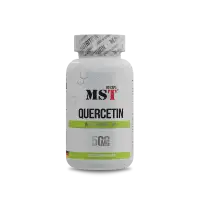 MST Quercetin Bromelain€26.90 In stock 60caps combines quercetin with bromelain for a synergistic anti-inflammatory and absorption effect. OstroVit Quercetin 90caps provides a clean quercetin option for those who prefer a straightforward single-ingredient supplement. Both are available at maxfit.ee.
Key Takeaways
- Take quercetin with a fat-containing meal for improved bioavailability.
- Split dosing morning and evening supports consistent levels for allergy or immune goals.
- Pre-workout dosing may suit endurance athletes.
- Space away from fluoroquinolone antibiotics and iron supplements.
- Quercetin combined with vitamin C or bromelain may offer synergistic benefits.
FAQ
Should I take quercetin on an empty stomach?
Generally no — fat-containing food improves quercetin absorption. An exception is quercetin-bromelain combinations where bromelain's systemic activity is enhanced on an empty stomach; in that case follow the product's specific instructions.
How long does quercetin need to be taken to notice effects?
For consistent immune and antioxidant effects, studies have used supplementation periods of 4–12 weeks (Nieman et al., 2010). Quercetin for allergy symptoms may provide relief more acutely when taken consistently, but noticeable effects on respiratory symptoms typically emerge over days to weeks of daily intake.
Can I combine quercetin with vitamin C?
Yes — vitamin C and quercetin are a well-established pairing. Vitamin C may help regenerate quercetin from its oxidised form, extending its antioxidant activity. Many commercial products combine the two. There are no known negative interactions between quercetin and vitamin C at supplemental doses.
References
Guo, Y., Bruno, R. S. (2012). Endogenous and exogenous mediators of quercetin bioavailability. Journal of Nutritional Biochemistry, 23(5), 401–410.
Nieman, D. C., Williams, A. S., Shanely, R. A., Jin, F., McAnulty, S. R., Triplett, N. T., Austin, M. D., & Henson, D. A. (2010). Quercetin's influence on exercise performance and muscle mitochondrial biogenesis. Medicine & Science in Sports & Exercise, 42(2), 338–345. https://pubmed.ncbi.nlm.nih.gov/19927026/
Randall Bhatt, K., Bhatt, D. L., & Newman, J. D. (2003). Bioflavonoids: a role in anti-atherogenic therapy? American Journal of Cardiovascular Drugs, 3(5), 315–321.



