Why Women May Need Quercetin
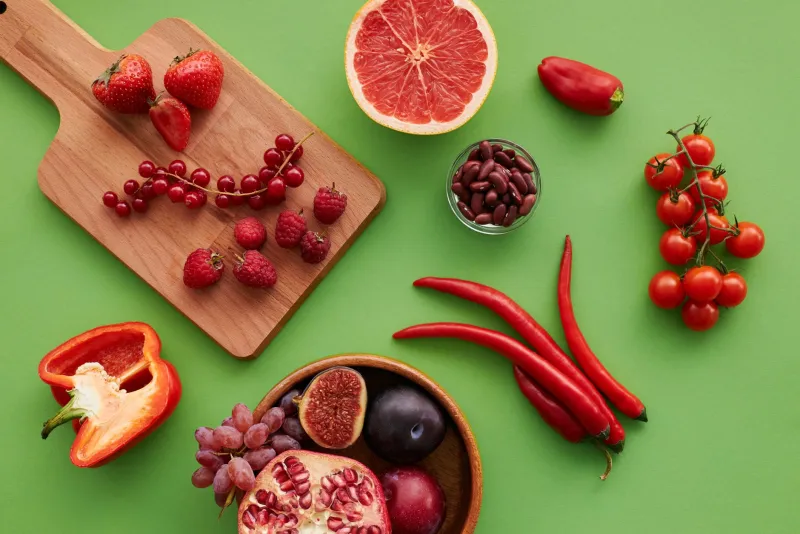
Quercetin is one of the most abundant dietary flavonoids, found in onions, apples, berries, and leafy greens. As a supplement, quercetin for women has gained attention primarily for its antioxidant, anti-inflammatory, and immune-modulating properties. These properties are broadly relevant, but women face specific biological contexts — hormonal cycles, pregnancy, perimenopause — that shape both the potential benefits and considerations for use.
A key mechanism is quercetin's ability to inhibit histamine release from mast cells, making it relevant for women with seasonal allergies or those who notice heightened allergy sensitivity in the premenstrual phase. Additionally, quercetin may support the immune system's regulatory balance, which is disrupted in several autoimmune conditions that disproportionately affect women.
Hormonal and Life-Stage Notes
Quercetin has weak oestrogenic activity in laboratory models, which has prompted questions about its safety in hormone-sensitive contexts. However, the concentrations required for oestrogenic effects in cell cultures far exceed what is achievable through dietary or supplemental intake in humans. Current clinical evidence does not suggest that standard quercetin supplementation meaningfully affects circulating oestrogen in women.
During perimenopause, inflammation and oxidative stress tend to rise. Quercetin's antioxidant activity — demonstrated in clinical settings — may provide some supportive benefit. A randomised controlled trial found that quercetin supplementation was associated with reductions in inflammatory markers in overweight women. These findings support quercetin as a complementary anti-inflammatory measure in this life stage.
For active women, quercetin has been studied in the context of exercise-induced inflammation and upper respiratory tract infection rates. A meta-analysis found that quercetin supplementation was associated with a small but statistically significant reduction in illness duration (Somerville et al., 2016), which may be of practical relevance to women with demanding training or work schedules.
Dose Considerations
Clinical trials have most commonly used quercetin doses between 500 mg and 1,000 mg per day, often divided into two doses. 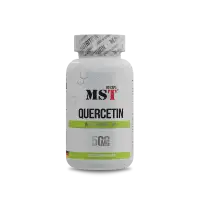 MST Quercetin Bromelain€26.90 In stock 60caps combines quercetin with bromelain, an enzyme that may further support inflammatory balance. OstroVit Quercetin 90caps provides a straightforward quercetin-only format.
Bioavailability of quercetin can vary considerably between product formats. Pairing quercetin with vitamin C or taking it with a fat-containing meal may improve absorption. Quercetin is generally well tolerated; the most common side effects at higher doses are headache and tingling sensations, which typically resolve with dose reduction.
Pregnancy and Safety Notes
Quercetin is present naturally in many foods consumed during pregnancy. However, high-dose supplemental quercetin (above what would be achieved through a varied diet) has not been adequately studied in pregnant women, and caution is warranted. Some in vitro data suggest quercetin may affect cell proliferation at very high concentrations — a finding that does not translate directly to normal supplemental doses but argues for conservatism during pregnancy.
The prudent approach is to avoid high-dose quercetin supplements during pregnancy unless specifically recommended by a healthcare provider. Dietary quercetin from fruit and vegetables remains appropriate.
Quercetin may interact with certain antibiotics (including quinolone-type antibiotics) by potentially reducing their absorption. Women on any medication should check for interactions before beginning quercetin supplementation.
Bottom Line
Quercetin is a versatile, well-studied flavonoid that offers women meaningful support for immune function, inflammation management, and antioxidant defence — particularly relevant during perimenopause and for active lifestyles. Products like MST Quercetin Bromelain 60caps and OstroVit Quercetin 90caps are available at maxfit.ee. Pregnant women should stick to dietary sources and consult a doctor before supplementing.
Browse the quercetin supplement range at MaxFit.
References
Somerville, V. S., Braakhuis, A. J., & Hopkins, W. G. (2016). Effect of flavonoids on upper respiratory tract infections and immune function: a systematic review and meta-analysis. Advances in Nutrition, 7(3), 488–497. https://pubmed.ncbi.nlm.nih.gov/27184276/
MacRae, H. S., & Mefferd, K. M. (2006). Dietary antioxidant supplementation combined with quercetin improves cycling time trial performance. International Journal of Sport Nutrition and Exercise Metabolism, 16(4), 405–419. https://pubmed.ncbi.nlm.nih.gov/17136942/
FAQ
Can quercetin help women with seasonal allergies?
Quercetin has histamine-stabilising properties in laboratory models, and some women report symptom improvement with consistent supplementation during allergy season. Clinical evidence in humans is promising but still limited, so it may be worth trialling alongside standard allergy management.
Is quercetin safe for women with oestrogen-sensitive conditions?
At typical supplemental doses, quercetin does not appear to exert significant oestrogenic effects in humans. Women with hormone-sensitive conditions should nonetheless discuss any new supplement with their oncologist or gynaecologist before use.
Does quercetin work better when combined with other supplements?
Combining quercetin with bromelain (as in MST Quercetin Bromelain 60caps) may enhance its anti-inflammatory properties. Vitamin C may improve bioavailability. These combinations are commonly used and generally well tolerated.



